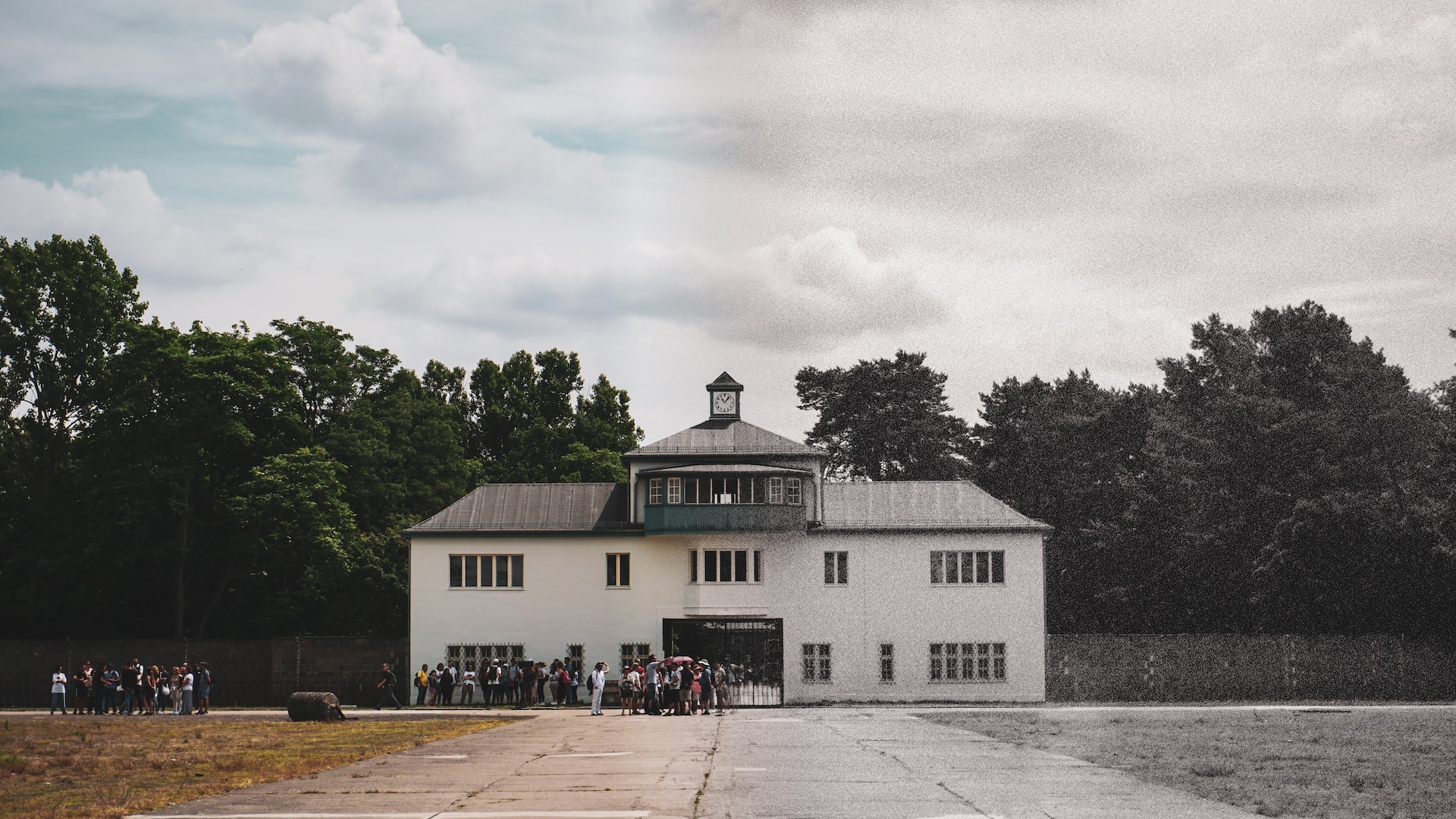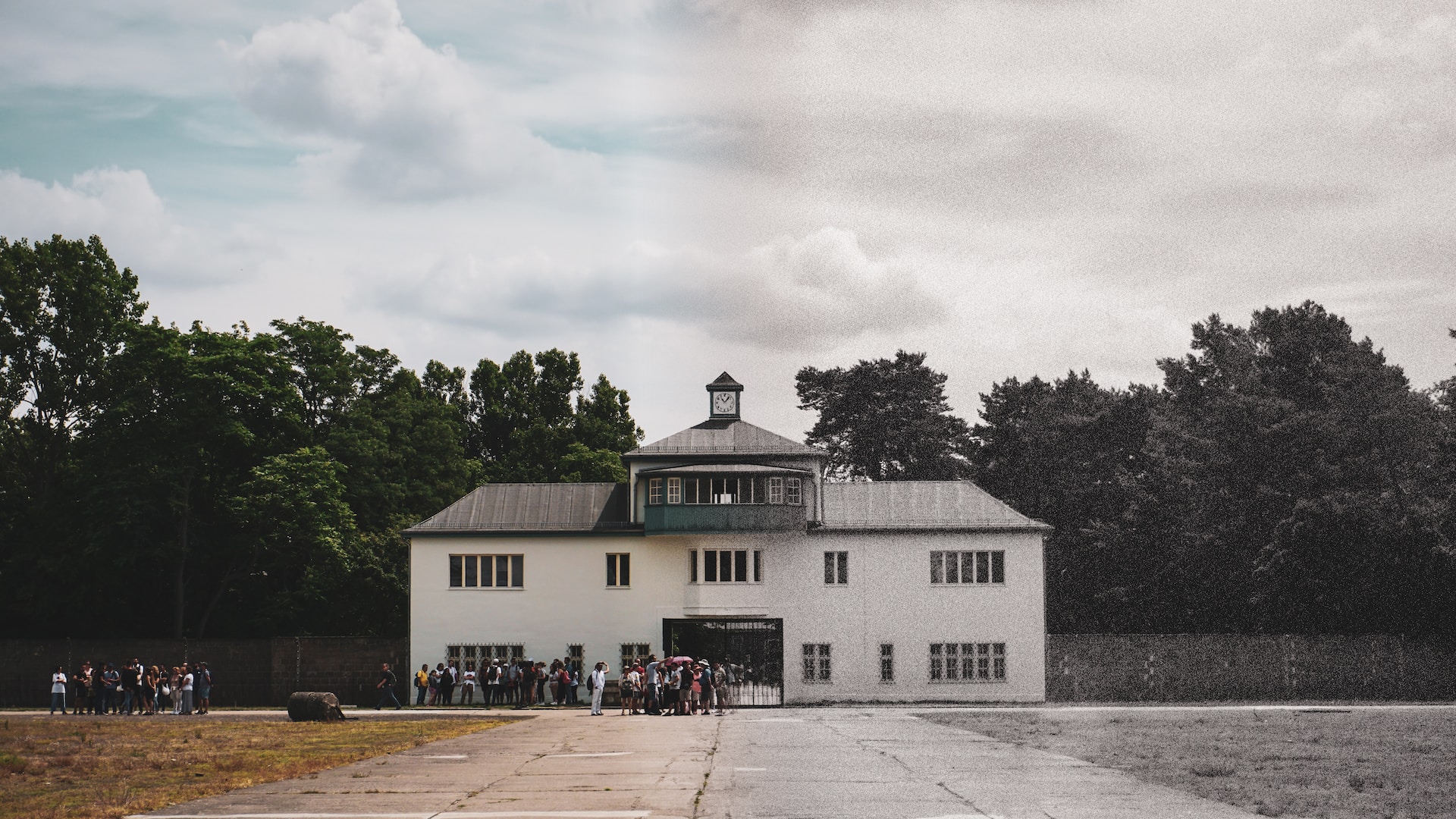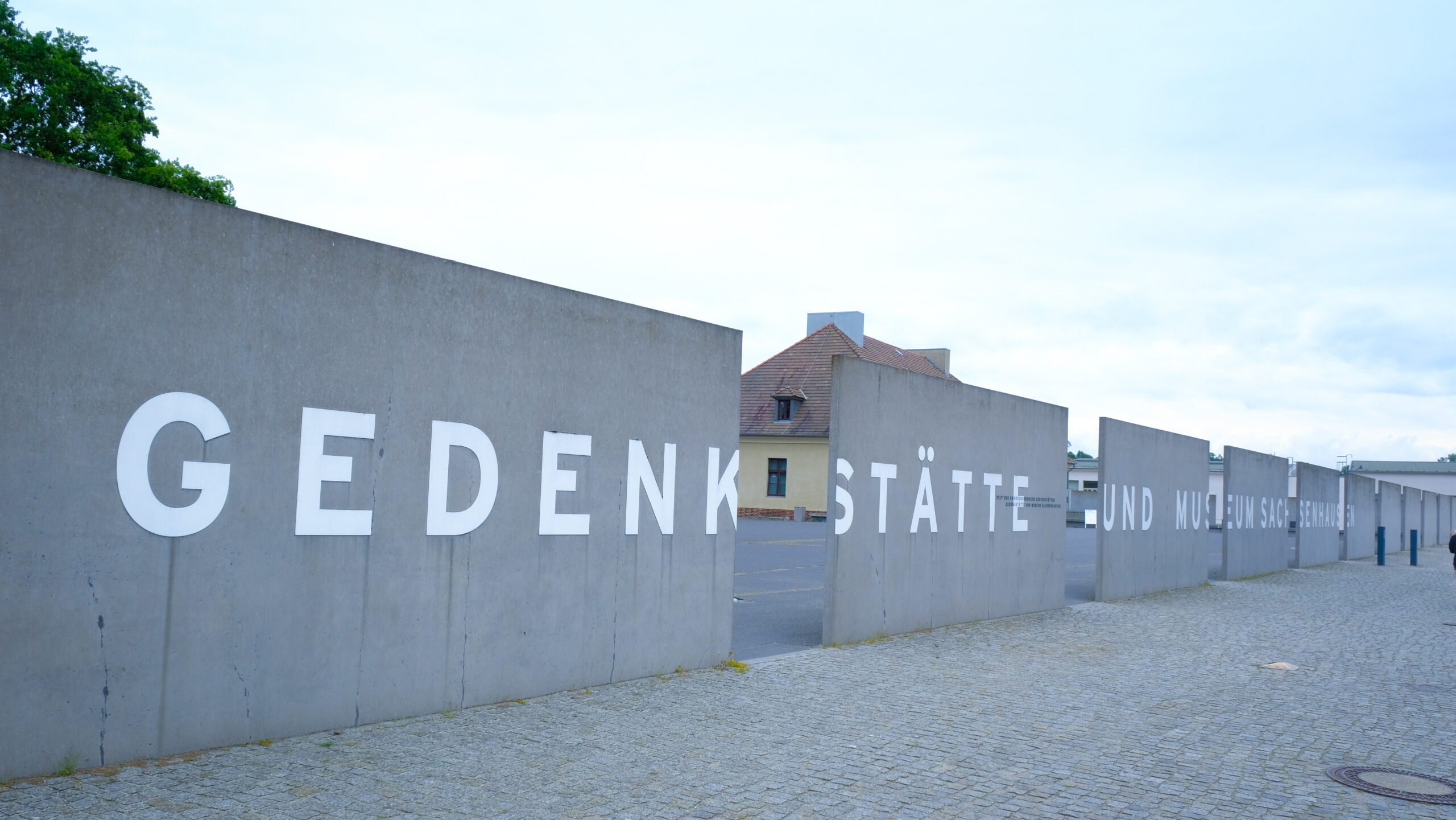
The history of World War II is filled with tragic stories that highlight the inhumanity and suffering caused by human conflict. Among the darkest chapters of this period is the existence of concentration camps, where millions of innocent people were persecuted and killed. One such camp was Sachsenhausen, located in Oranienburg, Germany. In this blog post, we will explore the history and significance of Sachsenhausen Concentration Camp, shedding light on the atrocities committed there and honoring the memory of its victims.
How Sachsenhausen Camp Was Established
The Sachsenhausen Concentration Camp was set up in 1936 and was among the very first Nazi created camps. Firstly, it was used as a prototype of other concentration camps, however, the design of this camp as well as its functioning was copied with other camps being built later. The camp was situated close to Berlin to facilitate the control exerted by the regime on the camp primarily for the prisoners. Its major function was to house political prisoners, anyone who dared to oppose the Nazi regime, dissidents.
Living Conditions
Sachsenhausen was poorly endowed and the conditions were very bad. The camp was set to reduce its occupants to animals and to drain their morale. They were taken through forced labor, starvation and regular beating and emotional harassment. Prisoners were locked herded in barrack houses so many that they could not afford a proper sanitation and sleeping amenities like beds were scarce. Most of them fell sick due to available diseases and a lot of them died of malnutrition within the camp.
Collected Works: the Use of Sachsenhausen for Experiments
Sachsenhausen turned out to be one other place where a range of nasty scientific experiments were performed on the detainees. Such experiments were conducted by prescribing different kinds of drugs, performing operations, and using different chemicals. The victims were treated to a terrible time, experiencing severe pain and suffering they never would have chosen.
Daily Life and Brutal Conditions in Sachsenhausen
This will be done having regard to the findings that Sachsenhausen concentration camp; Holocaust. During the Holocaust, the Sachsenhausen concentration camp played a central role in the industrialized process of mass murder. Millions of people, primarily Jews, were systematically killed there. It must be noted that staff and members of the Schutzstaffel or SS that were trained in the camp participate in the execution of the ‘Final Solution.’
Participation of Sachsenhausen in the Exterminations
Sachsenhausen was not an extermination camp such as Oswięcim-Auschwitz but it was an important center where the Holocaust was carried out. There were tens of thousands of prisoners who were conveyed from Sachsenhausen to death camps and who were gassed to death. The camp also featured a crematorium for the bodies to be disposed of as well.
Forced Labor and Endless Punishment
The camp also relied heavily on slave labor, booth in serving the needs of Nazi wartime effort and other commercial entities. They continue to be exposed to hard work, sometimes in deplorable circumstances. A large number of the prisoners died from overworking, starvation or they were shot when they were no longer capable of meeting the work productivity required.
Liberation and Remembrance
Sachsenhausen was liberated by Soviet forces in April of 1945. Survivors of the camp were liberated however, the marks both external and internal were left. Sachsenhausen Concentration Camp is now a museum designed to inform everyone of the events of the Holocaust and pay respects to those who died. It is one more symbol of the tragedies that have occurred in the world. It should serve to combat phenomena such as hatred, discrimination, and totalitarianism.
Sachsenhausen Concentration Camp Excursion
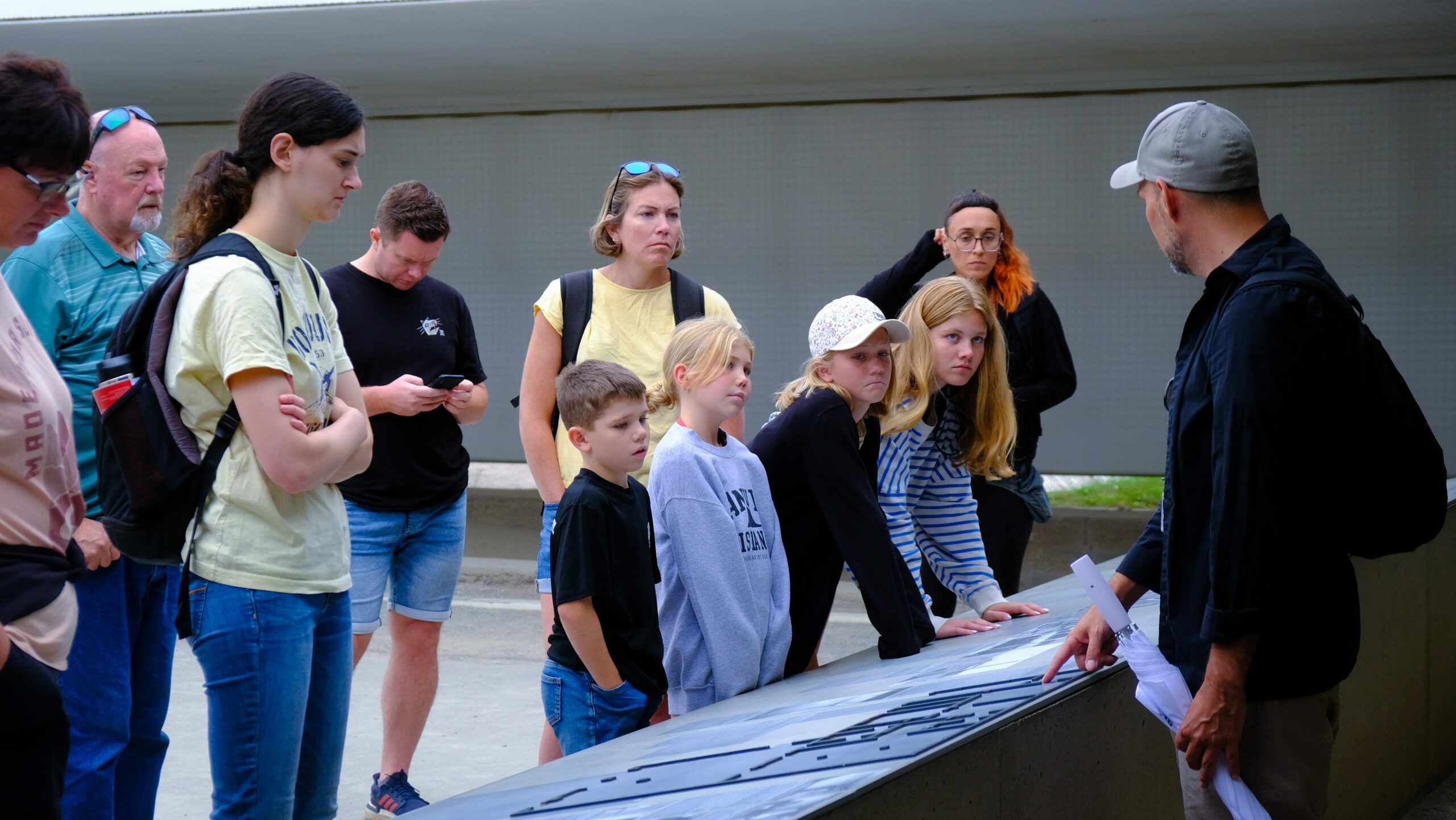
I recommend that anyone who wishes to visit Sachsenhausen should fully cover the memorial’s grounds as it might take some time. The first section also offers an opportunity of guided tours that will detail the story of the camp, and captive’s life. Instead, the visitors get a feeling of a horrible place through preserved remnants, like personal effects, photo and newspaper clippings as well as documents. That is why it is an emotionally serious and thoughtful tour that gives people an idea of what prejudice and intolerance can lead to.
Remembering the Victims
For this reason, the people of Sachsenhausen and other concentration camps should not be forgotten in order to avoid the repetition of. This means that the more we and others learn about this dismal part of humanity’s past, the closer we are to positive social change.
Thus, concentration camp Sachsenhausen make people witness the terror of the Second World War. That is why the history of KZ is so important. It serves as a symbol of the ruthlessness of people. It also highlights the need for interethnic and interconfessional tolerance, compassion, and respect. This way, understanding our history helps us try to construct a future devoid of oppression and discrimination of minority groups. Book Now Sachsenhausen Memorial And Museum Tour