When exploring the dark history of World War II, the topic of concentration camps is unavoidable. Concentration camps were established by Nazi Germany and played a significant role in the Holocaust, where millions of innocent lives were tragically lost. Among these camps was a concentration camp located to the north of Berlin, but what was its purpose? In this comprehensive guide, we will delve into the establishment, functions, and significance of this camp.
Sachsenhausen: The Concentration Camp North of Berlin
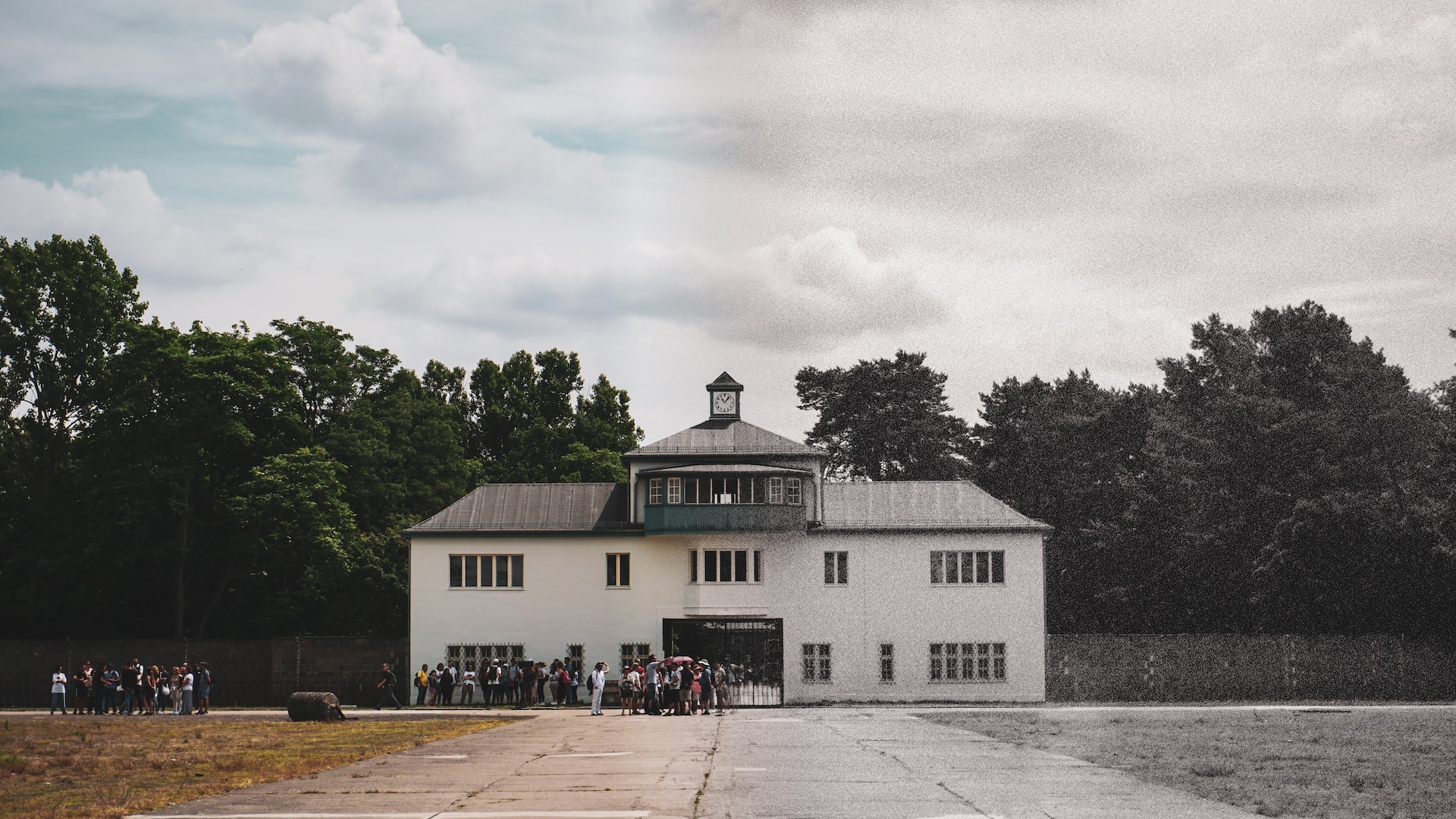
The concentration camp located north of Berlin was known as Sachsenhausen. It was constructed in the summer of 1936, just a few months before the Olympic Games were held in Berlin. The camp was situated in Oranienburg, roughly 35 kilometers north of the German capital.
Purpose and Functions
A principal function of the Sachsenhausen Concentration Camp was to intern political antagonists and other social undesirables in German society as defined by the Nazis. At first, the camp was virtually an experimental model camp: an instrumental purpose of the camps was as training facilities for the future SS officers and guards.
Over time its role even added up to facilitating imprisonment of other dissidents as well. Sachsenhausen began to develop into a forced labor camp in which prisoners were forced to work in surrounding military and civil industries, constructions and even brick manufacturing. A number of prisoners were compelled to work under extremely terrible conditions that resulted in the deaths of so many through protracted labor, hunger and diseases.
Conditions Inside the Camp
The conditions within Sachsenhausen are horrible. Inmates were confined in overcrowded wooden structures which provided inadequate opportunities for showers and no heat source. They starved, took meager food and had to endure all sorts of beatings by the guards.
Subcamps themselves were designed in segments, where prisoners were separated according to types. There are shameful zones for political enemies, for the Jews, for homosexuals, and for ‘social deviants,’ whom the Nazis disapproved of in terms of their social Darwinist policies.
Just above the entrance to the camp were those horrendous words “Arbeit Macht Frei” which can be translated to English as “Work Shall Set You Free.” It was a cruel blow that reminded the prisoners of the hope that they would be released only if they are oppressing substance abusers .
Experiments and Atrocities
Like most of the other concentration camps, some of the inmates at Sachsenhausen were subjects to inhuman medical experimentation. These trials and other experiments included studies to determine the effects of malaria. They also involved testing new medications or vaccines on prisoners.
Besides, the camp was used as a place for performing executions too. The methods of killing the prisoners included hanged, shooting and in the case of chamber gassing, carbon monoxide. Other concentration camps were linked to Sachsenhausen by what was known as the death marches. These were the forced evacuations of thousands of prisoners to prevent their liberation by the Allies.
Remembering the Victims
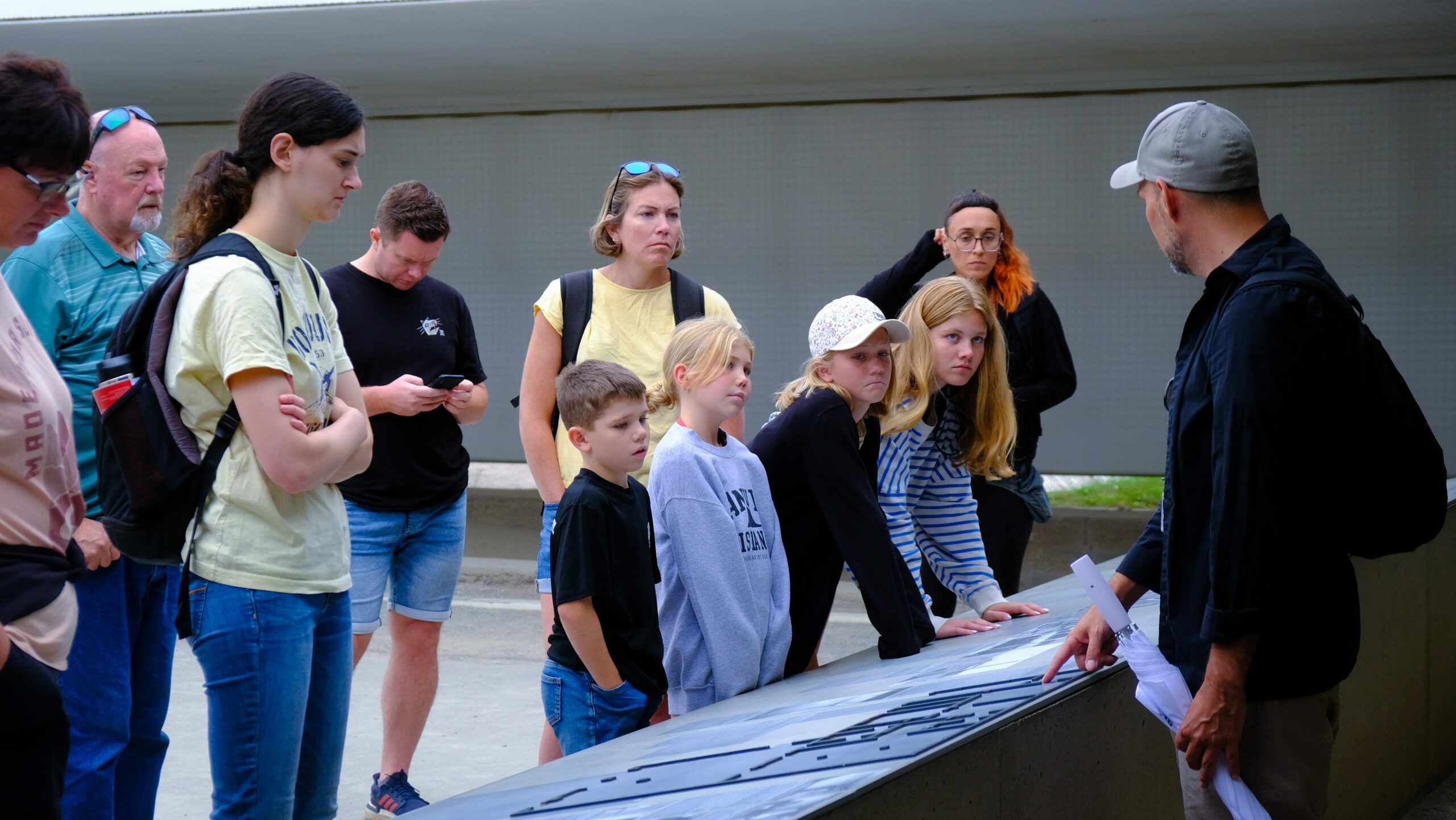
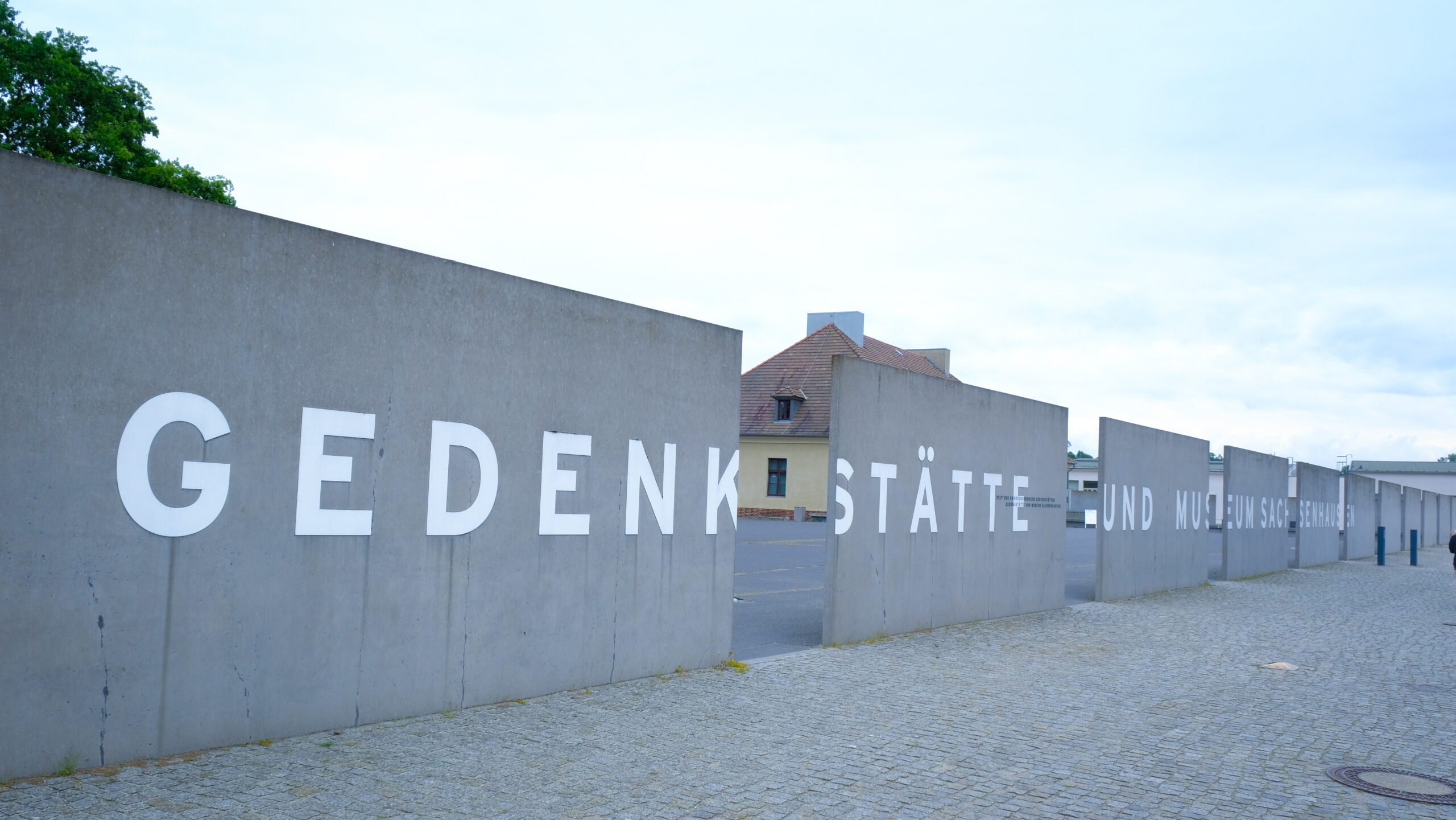
At present, Sachsenhausen Concentration Camp is a place for people and serving as a concentration camp memorial and a museum. In the remaining building, tourists can move around and explore the various creations. They also have the opportunity to read about the events that took place. This helps ensure that such tragedies are never repeated.
Such places assist us in remembering the fallen, appreciate what human rights are, and consider the value of the society’s fairness and diversity.
Lessons from the Concentration Camp North of Berlin
The concentration camp located north of Berlin, known as Sachsenhausen, played a significant role during the Nazi era. Its primary purpose was to incarcerate political opponents, but it later expanded into forced labor and served as a site for medical experiments and executions.
Understanding the history of Sachsenhausen is crucial. It helps ensure that the atrocities of the past are not forgotten. This knowledge also promotes a more tolerant and inclusive future. By visiting memorials and learning about this dark period in history. We can actively work towards preventing such horrors from ever happening again.
Read More Related Post:
What Can You Discover at Sachsenhausen in Berlin, Germany?
Why Should You Consider Sachsenhausen Tours in Berlin?
What can you learn from a Sachsenhausen tour?
Why should you take a tour of Campo de Concentración Berlin?