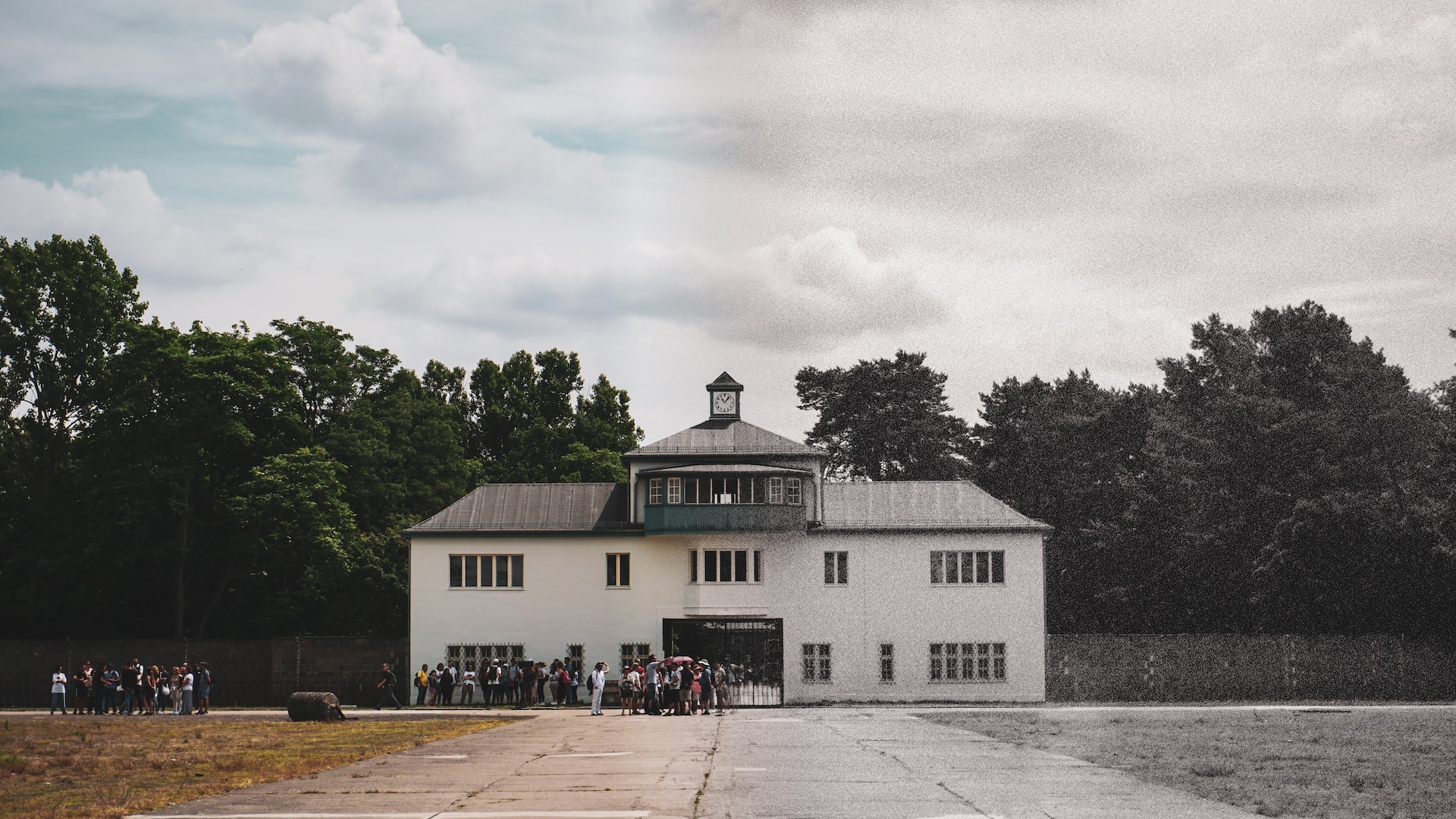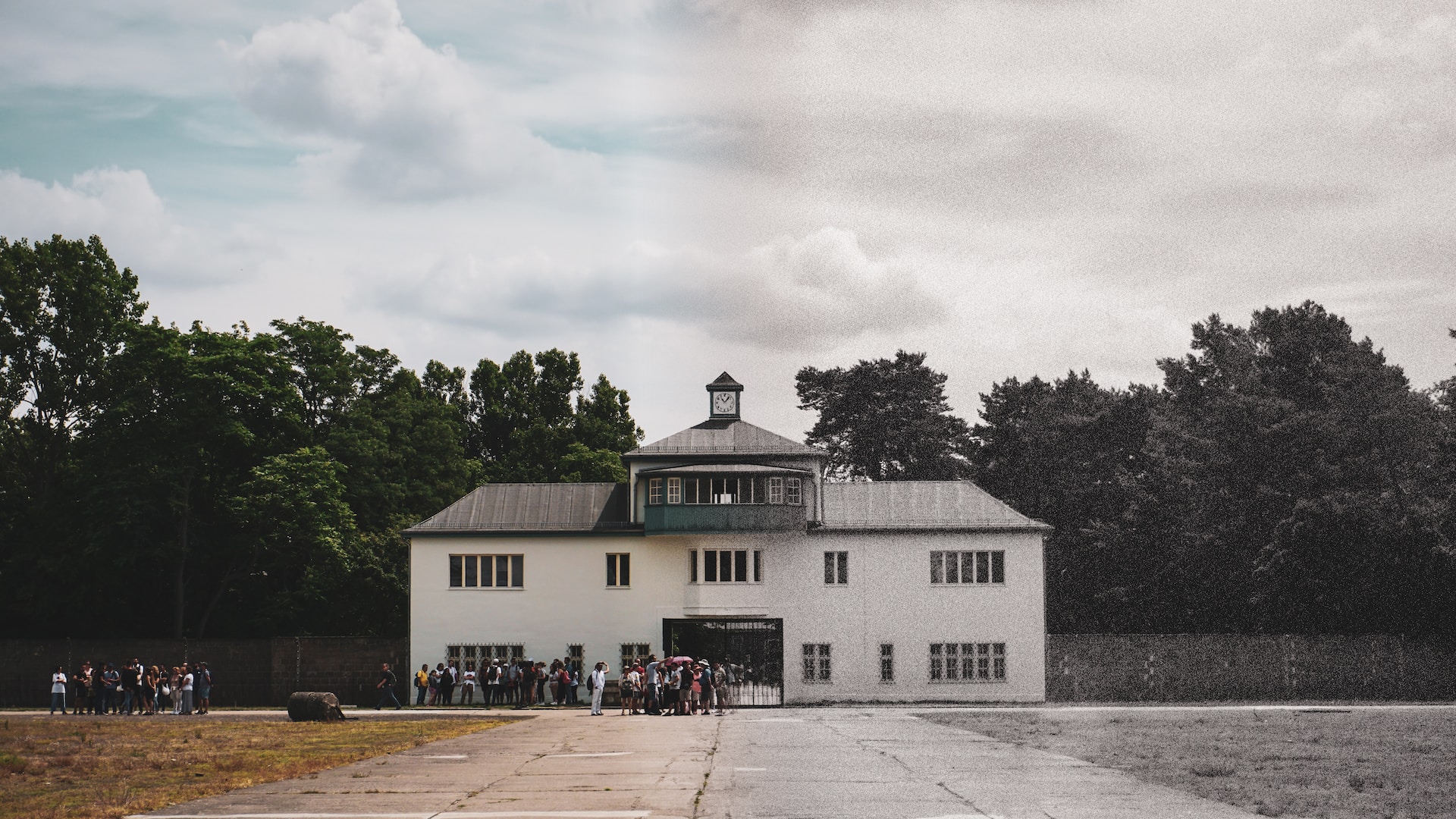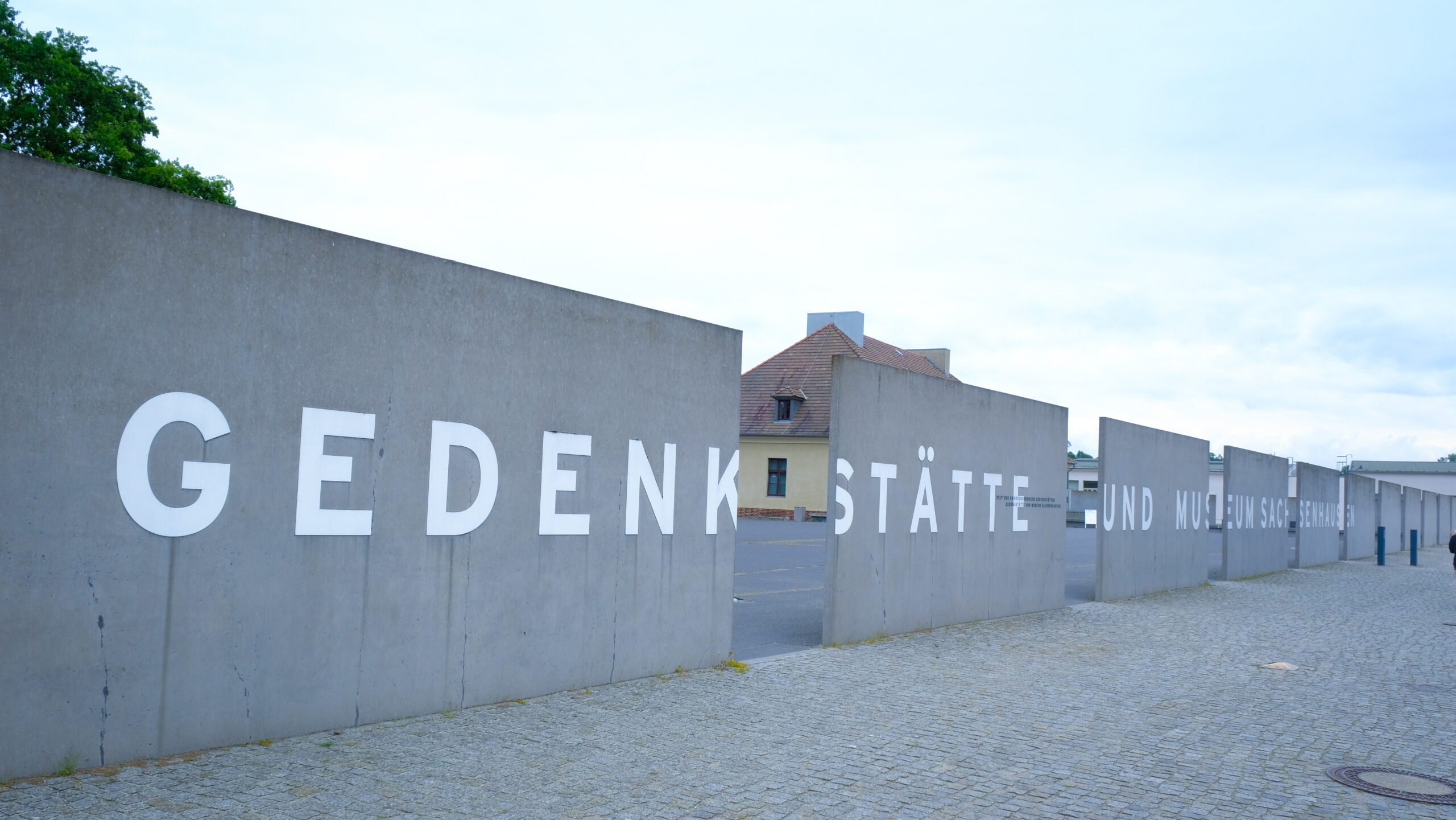
The history of Sachsenhausen Camp in Berlin is a story of pain, suffering, and resilience. Located in Oranienburg, near Berlin, this camp was built in 1936 by the Nazis. It served as a place for imprisonment, forced labor, cruel experiments, and executions. Today, the site is a memorial and museum, teaching visitors about the horrors of the Holocaust and the lessons of human history.
Understanding the history of Sachsenhausen Camp in Berlin helps us learn about the consequences of hatred and intolerance. It reminds us why human rights and tolerance are vital.
Function and History of Sachsenhausen Camp in Berlin
Sachsenhausen was to be a concentration camp for imprisonment and extermination of political prisoners, Jehovah’s Witnesses, homosexuals, Sinti and Roma, and Jews. The chief function of the camp was not only imprisonment but also experimental and forced labor and extermination camps.
Another factor was the camp’s location, close to Berlin it was easy to get to and for this reason, it served the Nazi regime’s central purpose. It was planned to have under its roof about 4979 prisoners but later on capacity increased to over 30000 inmates.
Living Conditions of Prisoners in Sachsenhausen
Living condition of the camp consisted of unendurable pain sweat and shame. Conditions included extreme overcrowding in the so-called barracks, very low ration allowance, sickness, and especially mistreatment by the camp staff. They were tortured through slave drive, where most of them had to work under great physical pressure that was draining. This camp had also different parts of the camp, such as the punishment blocks, isolation cells, and medical extermination area.
Experimentation and Medical Perfidy
The concentration camp among all the others is Sachsenhausen and this camp was involved in medical experimentation on the prisoners. The Nazi committed …sound harrowing experiments for the purpose of proving their fabled science and propagating their war agenda. These experiments consisted of different diseases affectation, vaccinations, sterilization and operation which many time proved fatal for the patients.
The Role of Forced Labor
Slavery became a major component of the Sachsenhausen Concentration Camp. The prisoners were freely used both by the Nazi government and private firms as cheap means of workforce. They had to work in factories, constructions sites and even in the camp’s own production lines. Imprisoned inhabitants often did not survive because the work they were forced to do was very challenging and risky.
Daily Life in Sachsenhausen
Life in the camp was filled with suffering. Prisoners had little freedom. They slept on hard wooden bunks. They received small amounts of food. Prisoners had to follow strict rules. Any disobedience led to punishment or death. Despite this, prisoners tried to survive. Some helped each other. Some documented events secretly. Daily life was about survival. Every day brought fear, pain, and loss.
Liberation and Memorial
This horrible concentration camp was liberated by Soviets on April 22, 1945. They had been through trauma of facing death, exploitation and loss of their dear ones and now they had to undergo the ordeal of physical as well as emotional healing of the losses that they had to bear. Now the place is a memorial and museum, so people can get the idea what was done to them and recall the victims.
This is specially felt whenever one visits this memorial and pays respect to the holocaust victims and learn more about them. Through preserved structure and various monuments, a clear indication of the events executed during one of the worst eras in human history is marked. It is an important site for people who need to learn the price of hatred and discrimination.
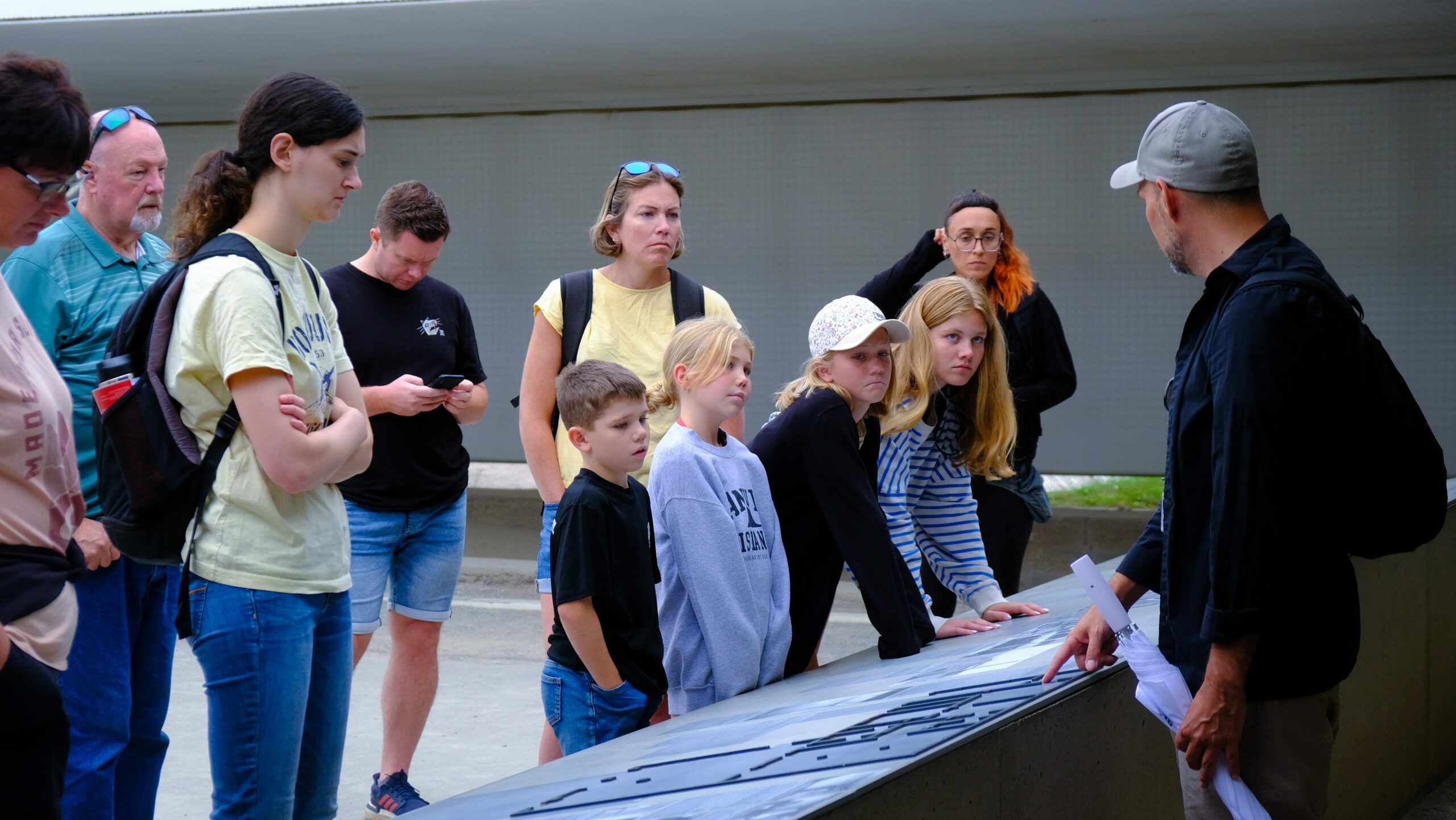
Visiting Sachsenhausen Camp in Berlin
If you visit, here are some tips:
Wear comfortable shoes. You will walk a lot.
Bring water and snacks.
Be ready for an emotional experience.
Respect the memorial and exhibits.
Take time to reflect on what you see.
A visit is not just sightseeing; it is a chance to honor victims and learn from the past.
Frequently Asked Questions
1. What was the purpose of Sachsenhausen Camp in Berlin?
Sachsenhausen Camp in Berlin was built by the Nazis in 1936. Its main purpose was to imprison political opponents, Jews, Jehovah’s Witnesses, homosexuals, and Roma people. It was also used for forced labor, medical experiments, and executions.
2. How many prisoners were held in Sachsenhausen Camp?
At first, Sachsenhausen held around 5,000 prisoners. Over time, the camp expanded and held over 30,000 people. Prisoners came from Germany and many other countries under Nazi control.
3. What were the living conditions like in Sachsenhausen Camp?
Life in Sachsenhausen was very harsh. Prisoners faced overcrowded barracks, poor food, disease, and abuse. Many were forced to do hard labor every day. Punishment blocks and isolation cells made survival even harder.
4. When and how was Sachsenhausen liberated?
Sachsenhausen was liberated on April 22, 1945, by the Soviet Army. Survivors were weak, sick, and traumatized. Liberation ended the immediate suffering, but emotional recovery took years.
5. Can you visit Sachsenhausen Camp today?
Yes. Today, Sachsenhausen Camp is a memorial and museum. Visitors can see the original barracks, guard towers, and exhibits. The memorial teaches about the history, suffering, and lessons from the Holocaust.
Final Thoughts
The history of Sachsenhausen Camp in Berlin is a story of cruelty and resilience. It shows the consequences of hatred and discrimination. Visiting the camp helps honor the victims. It also reminds us to build a more tolerant and just world. Sachsenhausen is a lesson for all humanity. Remembering it is crucial for shaping a better future. Book Now Sachsenhausen Memorial And Museum Tour.