The Truth about Potsdam and the Nazi Camp System. Many people looking for information about a “Potsdam Concentration Camp” are surprised to find out that there was no large Nazi concentration camp in Potsdam itself. Unlike Auschwitz, Dachau, Buchenwald, or Sachsenhausen, Potsdam did not have its own camp. However, the city played an important role during the Nazi era and later under Soviet occupation. The confusion often comes from Potsdam’s closeness to Berlin and Sachsenhausen, as well as the presence of prisons and detention centers used for political persecution. This guide shares the real history, explains Potsdam’s connection to the Nazi camp system, and highlights memorial sites you can visit today.
There Was a Concentration Camp in Potsdam?
Sachsenhausen: The Nearest Concentration Camp to Prisons and Detention Centers of the Nazi Era in Potsdam, The Sachsenhausen Death Marches in Potsdam
You can also read about Falkensee Concentration Camp: History, Prisoners, Forced Labor & Memorial Site
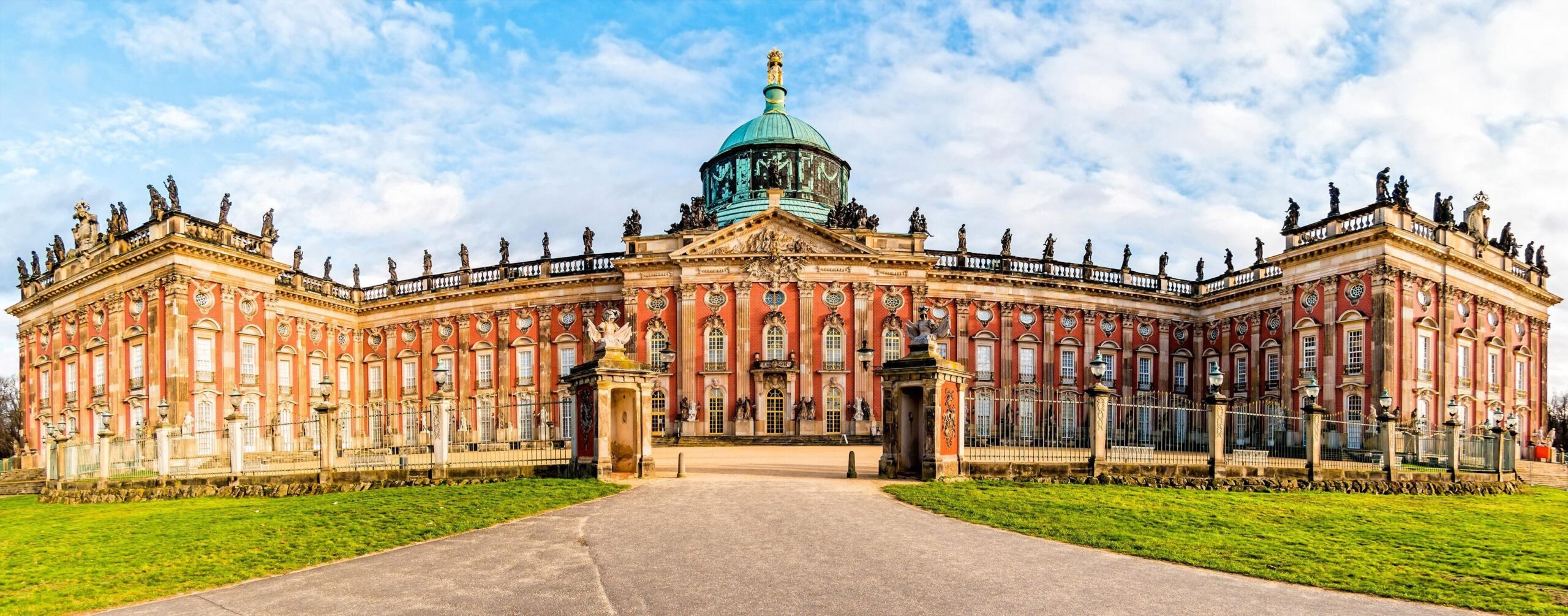
Today in Potsdam, Touring Historical Sites. Why the secret of a Potsdam concentration camp?
A Concentration Camp at Potsdam?
Short answer: no way.
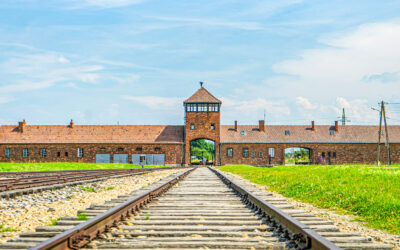
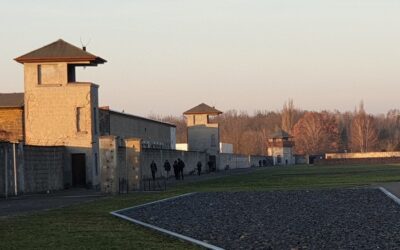
During the Third Reich, there was no major Nazi concentration camp in Potsdam. Unlike Sachsenhausen, Auschwitz, Dachau, or Buchenwald, Potsdam did not have an SS run concentration camp. Still, the city was closely connected to the Nazi regime’s system of political persecution. Potsdam had prisons, detention centers, and administrative offices that helped suppress political opponents and other targeted groups. Many people mistakenly believe there was a concentration camp in Potsdam because it is near Berlin and Sachsenhausen. The closest major Nazi concentration camp to Potsdam was Sachsenhausen, located in Oranienburg about 35 kilometers north of Berlin. It was easy to reach from Potsdam. Sachsenhausen, founded in 1936, was one of the most important concentration camps in Nazi Germany and served as a model camp for the SS.
- Political adversaries
- Jews,
- The resistance fighters
- Jehovah’s Witnesses
- Gays.
- Roma
- Foreign forced labor
- Prisoners of war
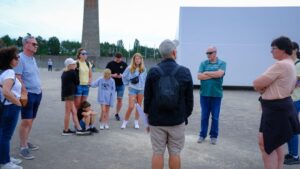
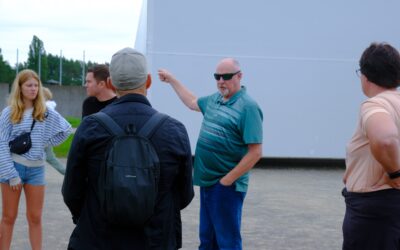
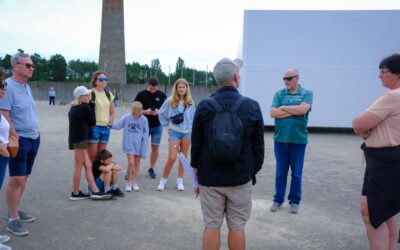
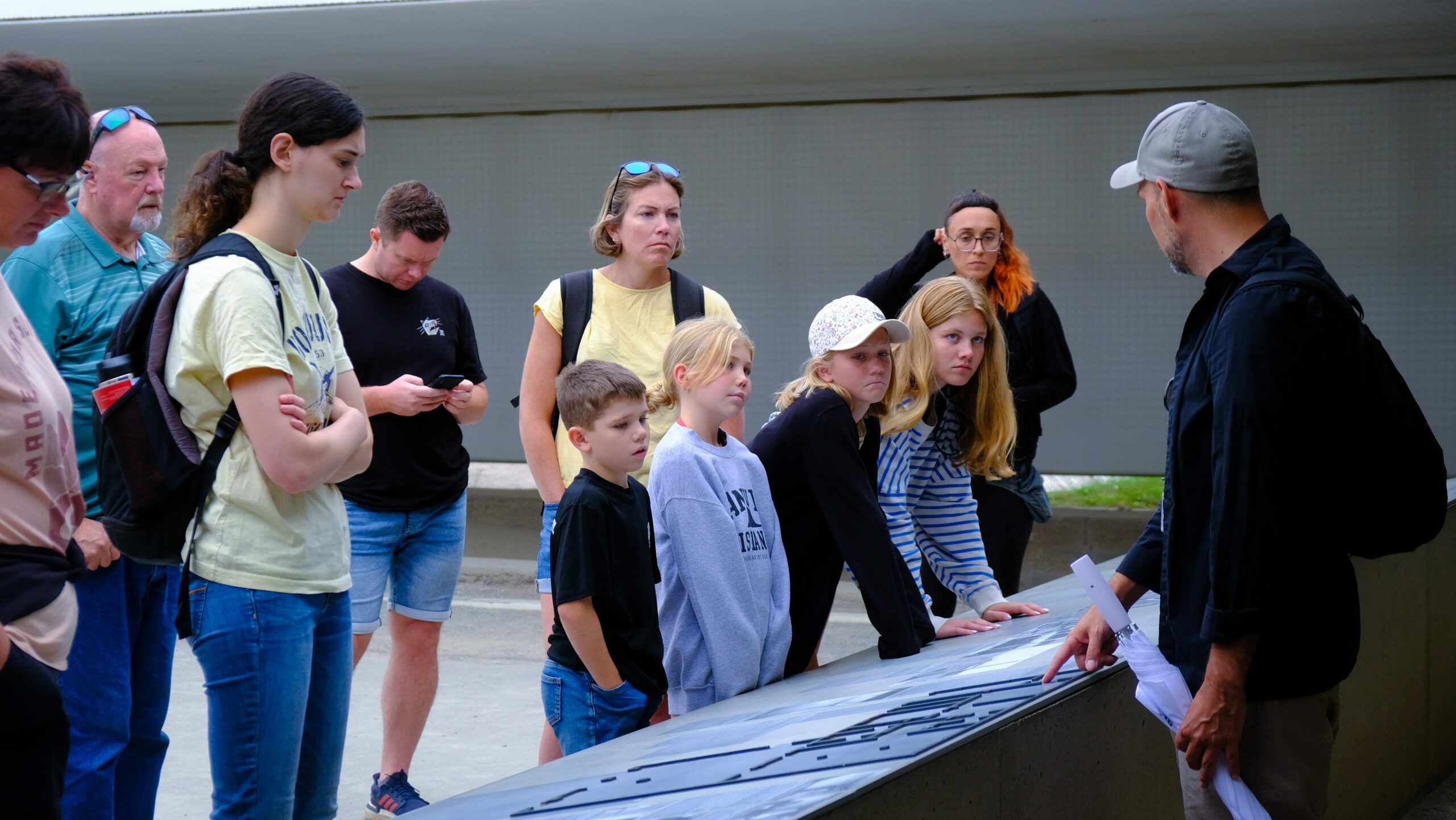
From 1936 to 1945, more than 200,000 people were imprisoned in Sachsenhausen. Tens of thousands died from starvation, disease, forced labor, executions, and medical experiments. Visiting Sachsenhausen gives important historical context for anyone interested in learning about Nazi persecution near Potsdam and Berlin. On our Sachsenhausen Memorial Tour, an expert guide will explain the camp’s history, share stories of the prisoners, and describe the camp’s role in the Nazi system.
You can learn more about our Berlin concentration camp experience here “What Was the Significance of Sachsenhausen Concentration Camp?” or book our tour: Berlin concentration camp experience
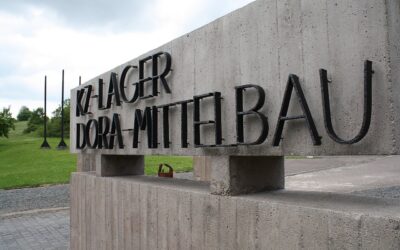
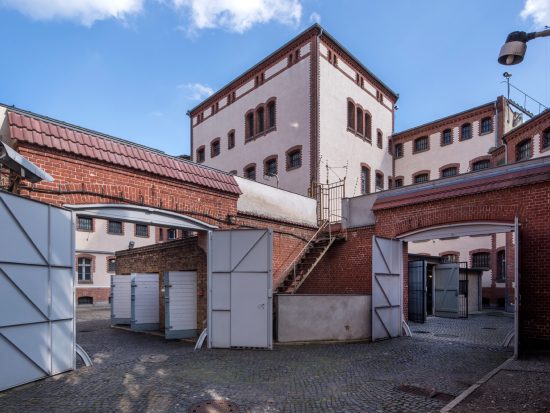
While Potsdam did not have a concentration camp, several detention facilities operated there during the Nazi era. One of the most important sites is the Lindenstraße Memorial Site. This building was originally a prison used by the Nazis to detain political rivals, resistance fighters, and critics of the regime. After 1945, the prison was used by Soviet authorities and later by East Germany’s Ministry for State Security (Stasi).
Today, the site is a memorial and museum to political persecution under three different regimes: Nazi Germany. East Germany (GDR) and Soviet occupation authorities. The memorial offers valuable insight into how political repression developed throughout the century. Potsdam was also a government center during these times. As the capital of Prussia and a city closely linked to Berlin, Potsdam was home to government institutions with roles within the Nazi state apparatus. Prisoners were typically sent on to larger concentration camps in other places, though administrative decisions that affected political persecution were often taken in the greater Berlin Potsdam region.
Potsdam was also connected to the history of concentration camps during the final months of World War II. In April 1945, as Allied forces approached Berlin, the SS began evacuating prisoners from Sachsenhausen Concentration Camp. Thousands of exhausted prisoners were forced to march west in terrible conditions, and some of these death marches passed near Potsdam. Prisoners suffered from hunger, exhaustion, exposure to the elements, and arbitrary executions by guards. Many died before they could be freed. These marches were among the last crimes committed by the Nazi regime before Germany surrendered. After the war, Potsdam became part of the Soviet occupation zone. One notable site is Leistikowstraße Prison, often referred to as the KGB Prison. Unlike Sachsenhausen, this was not a Nazi concentration camp, but after the war, it was run by Soviet military intelligence. Between 1945 and 1950, thousands of people were imprisoned there, including:
- Suspected political dissenters
- Former officials
- Suspected spies
Today, the prison serves as a memorial and educational center that documents Soviet repression in post war Germany. If you are interested in World War II history and political persecution, there are several important memorial sites to visit in and around Potsdam.
- Lindenstraße Memorial
Here are the highlights:
- Prison cells as they were.
- Historical exhibitions
- First hand accounts from ex inmates
- Information on Nazi, Soviet, and GDR oppression
- Leistikowstraße Memorial
- Visitors learn about:
- Soviet military intelligence activities
- War time political imprisonment
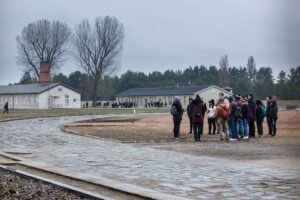
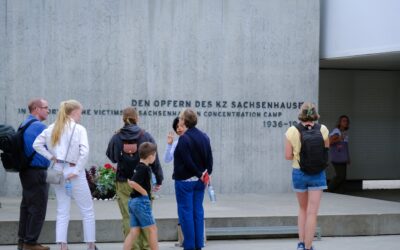
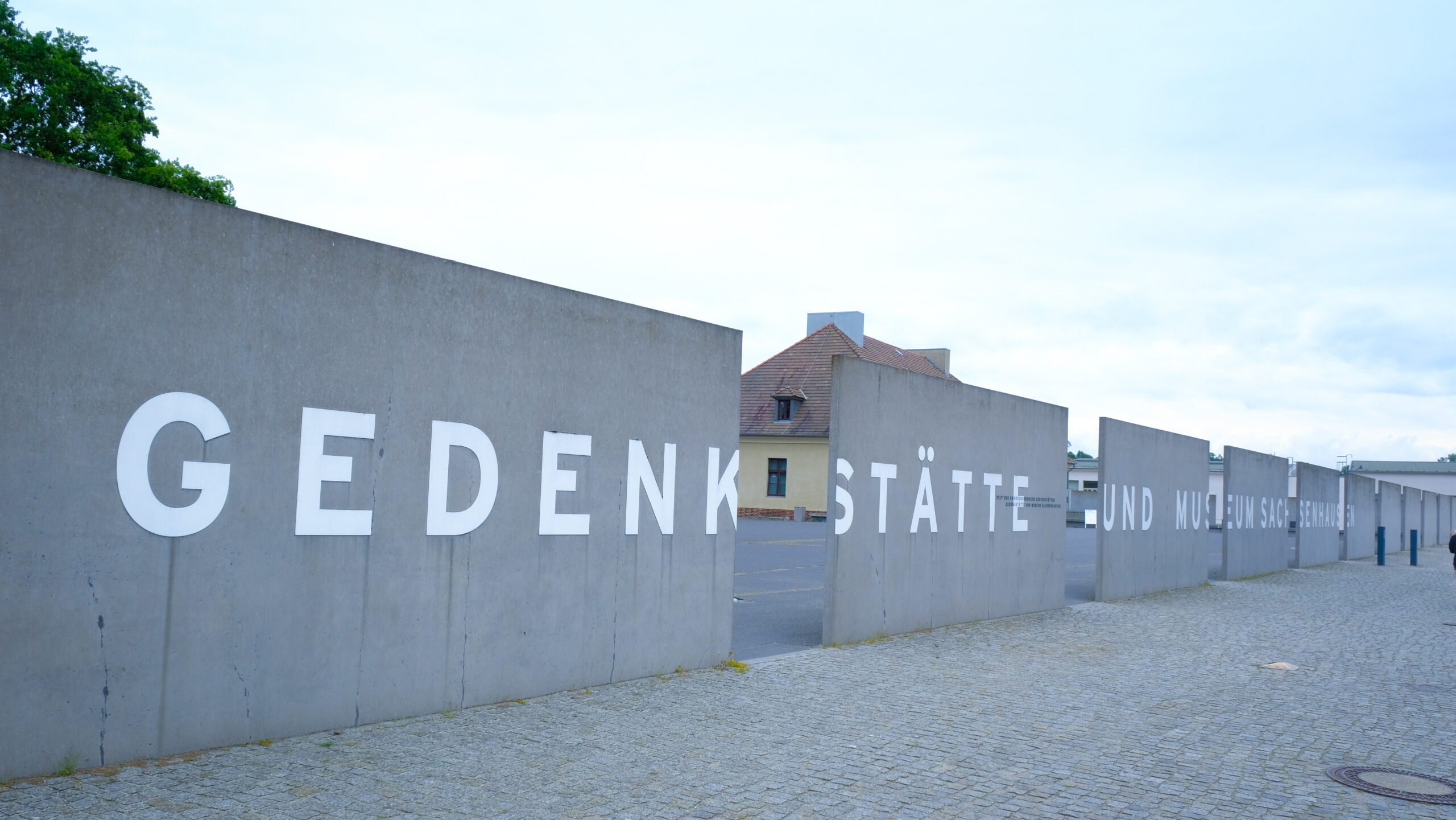
Life in the Sachsenhausen Memorial and Museum detention facility. If you want to learn more about the concentration camp system, the most important site near Potsdam is Sachsenhausen.
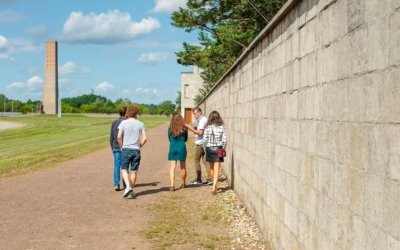
The memorial consists of:
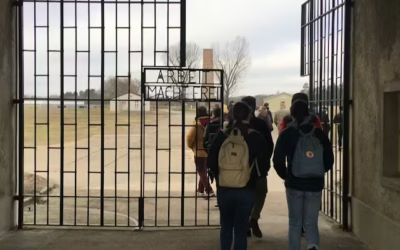
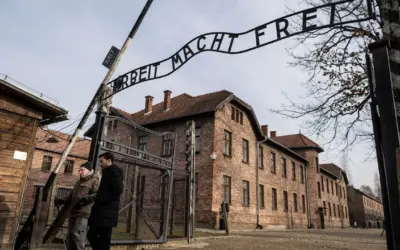
- the old cat camp gate
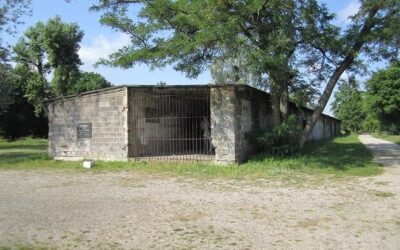
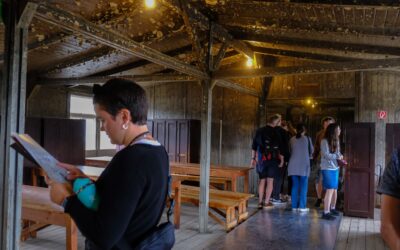
- Prison barracks
- Penalty cells
- Execution sites: The infirmary
- Expositions du musée
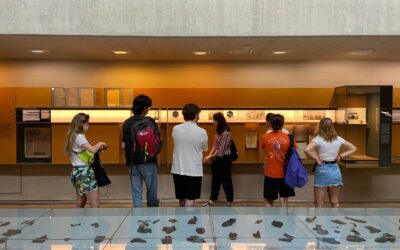
Guided tours help visitors understand the historical context of these places and how the camp operated. If you are visiting Berlin or Potsdam, our guided Sachsenhausen Memorial Tour offers expert insights and a detailed overview of the camp’s history with the Berlin concentration camp experience
The confusion is due to a couple of reasons:
-
Potsdam’s proximity to Sachsenhausen
Many people who visit Berlin and Sachsenhausen stay in Potsdam, leading some to think the camp was located there.
-
The Potsdam Political Prisons
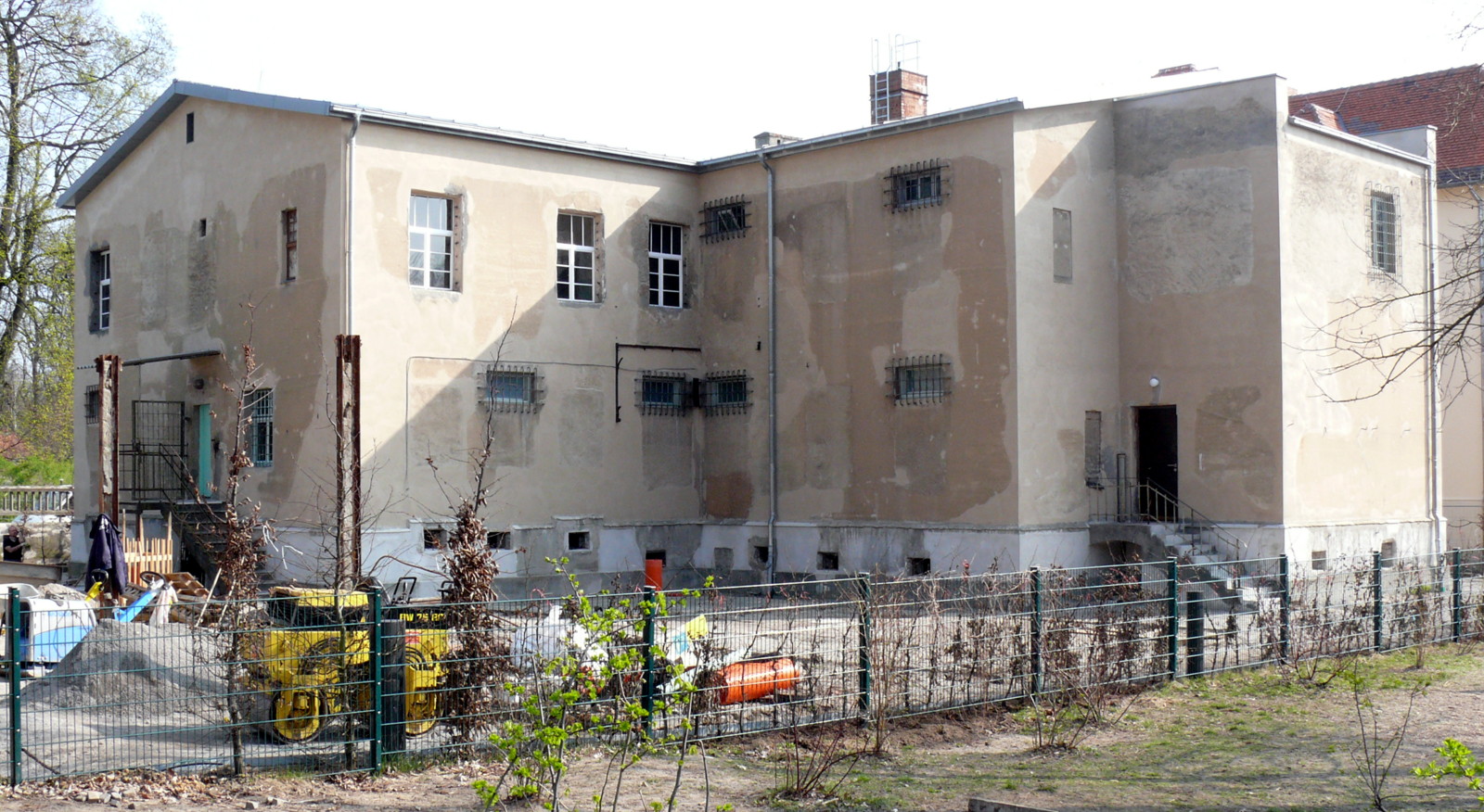
The prison in Lindenstraße is one of the facilities that exist . The prison on Lindenstraße is one such facility. Some people mistakenly refer to these as concentration camps. Guides and internet posts sometimes use incorrect terminology when referring to detention facilities in Potsdam. When learning about this period, it is important to know the difference between prisons, detention centers, and concentration camps.
Learn More: The Complete Guide to Free Berlin Walking Tours & Sightseeing
FAQ’s
Was there a concentration camp in Potsdam?
No, there was no large Nazi concentration camp in Potsdam. The closest major concentration camp was Sachsenhausen, located in Oranienburg, about 35 kilometers north of Berlin.
Yes. The Nazis imprisoned people in Potsdam.
Yes, there were political prisoners held in places like Lindenstraße Prison, but these were not concentration camps.
Are there any historical Nazi sites to visit in Potsdam today?
Yes, visitors can tour the Lindenstraße Memorial and learn about political persecution during the Nazi era.
What happened in Potsdam after the Second World War?
After Germany’s defeat, Potsdam became part of the Soviet occupation zone. Soviet authorities used Leistikowstraße Prison and several other detention centers.
Is it worth visiting Sachsenhausen from Potsdam?
Yes, Sachsenhausen is one of the most important memorial sites in Germany and offers valuable insight into the Nazi concentration camp system. It is easy to reach from both Potsdam and Berlin.
There was no major Nazi concentration camp in Potsdam itself, despite many searches for a “Potsdam Concentration Camp.” However, the city’s prisons and detention centers, along with its proximity to Sachsenhausen Concentration Camp, linked Potsdam to the history of political persecution. In the last weeks of World War II, the Sachsenhausen death marches also passed through Potsdam. The most important site near Potsdam for those interested in this history is the Sachsenhausen Memorial and Museum. Along with the memorial sites in Potsdam, it offers a valuable opportunity to learn about the effects of dictatorship, political repression, and the importance of remembering the past.
It is important to know the historical facts, keep the memory of the victims alive, and ensure that future generations learn from one of the darkest times in European history.
By Sachesenhausen Tours