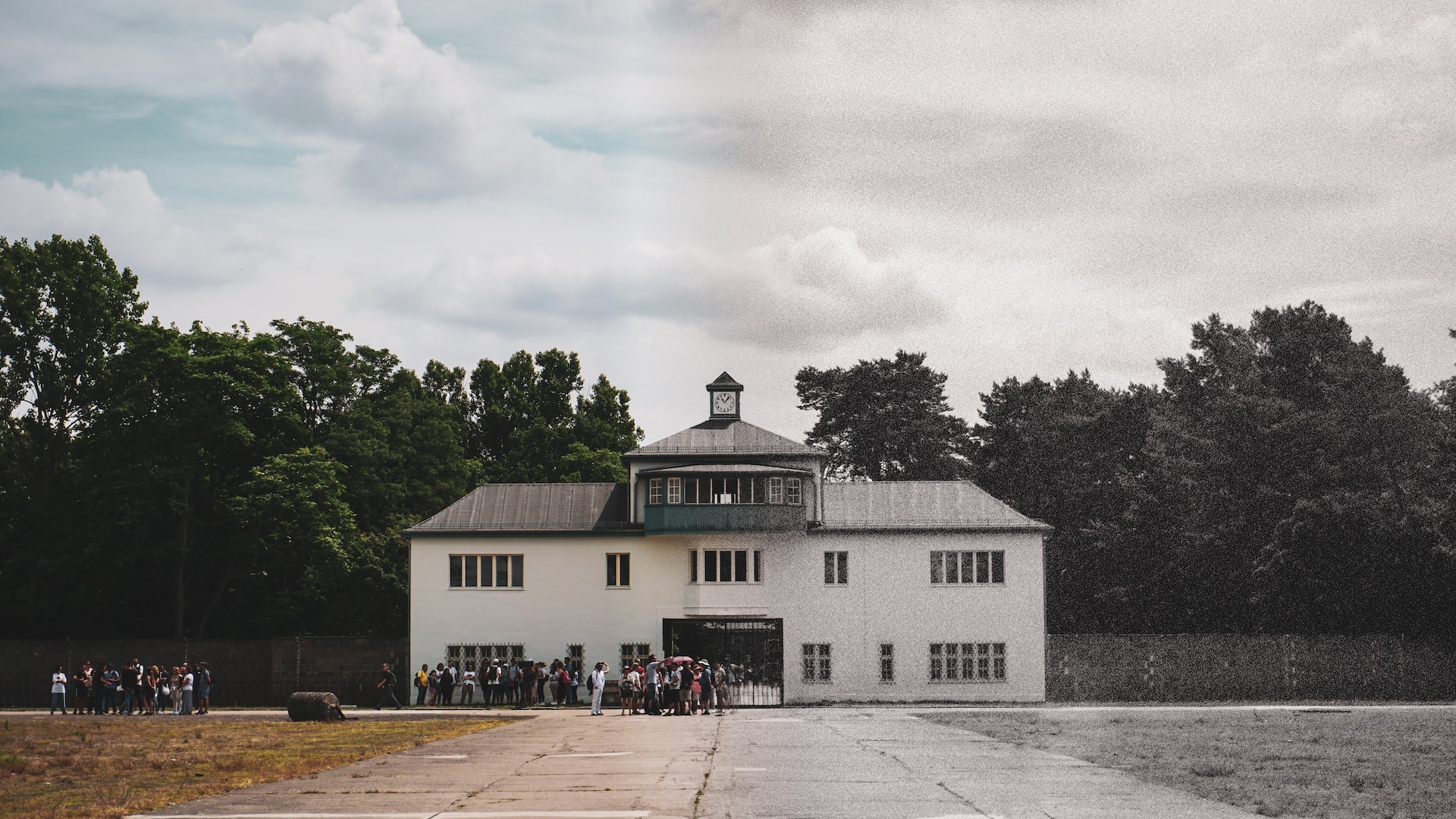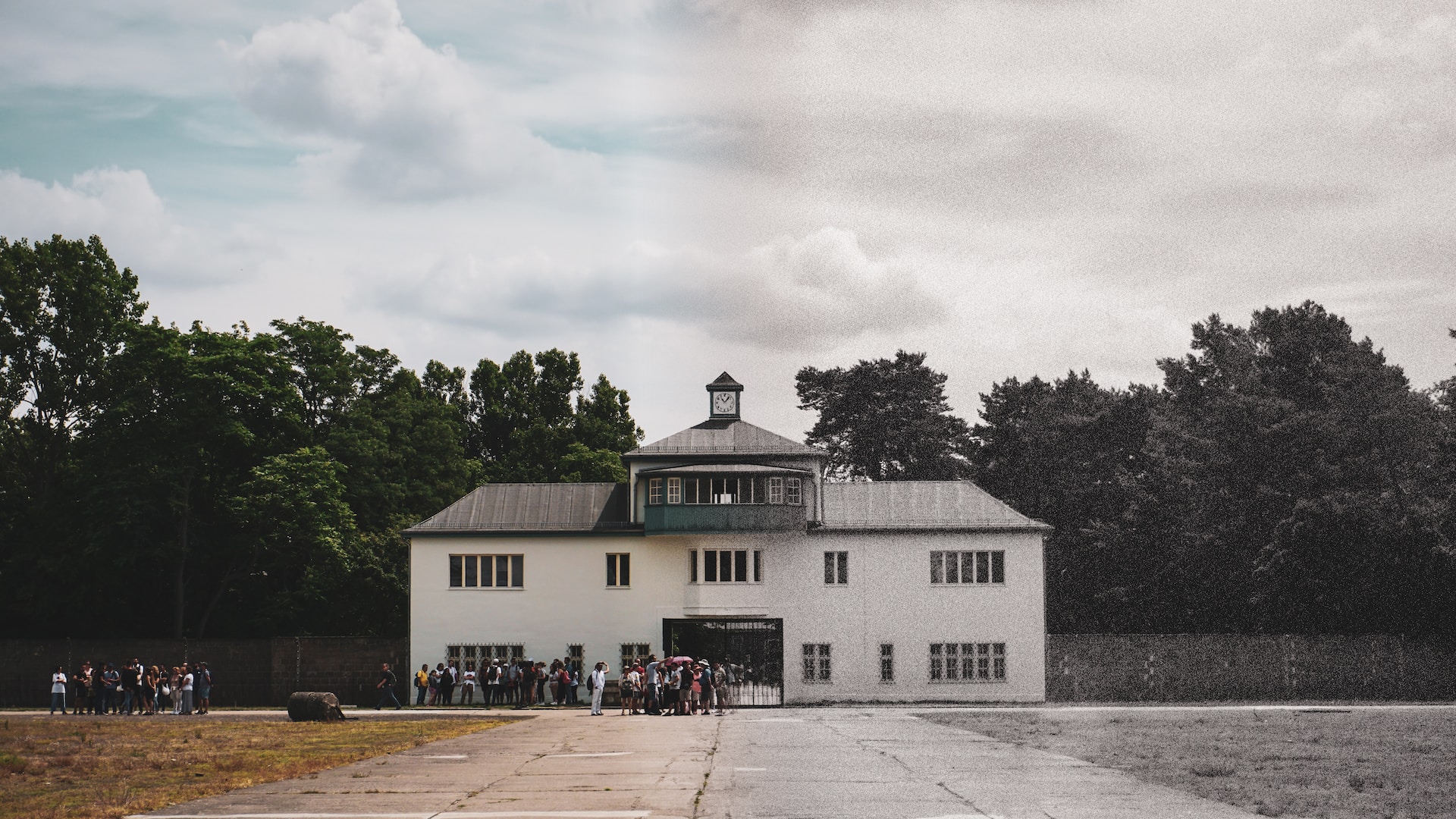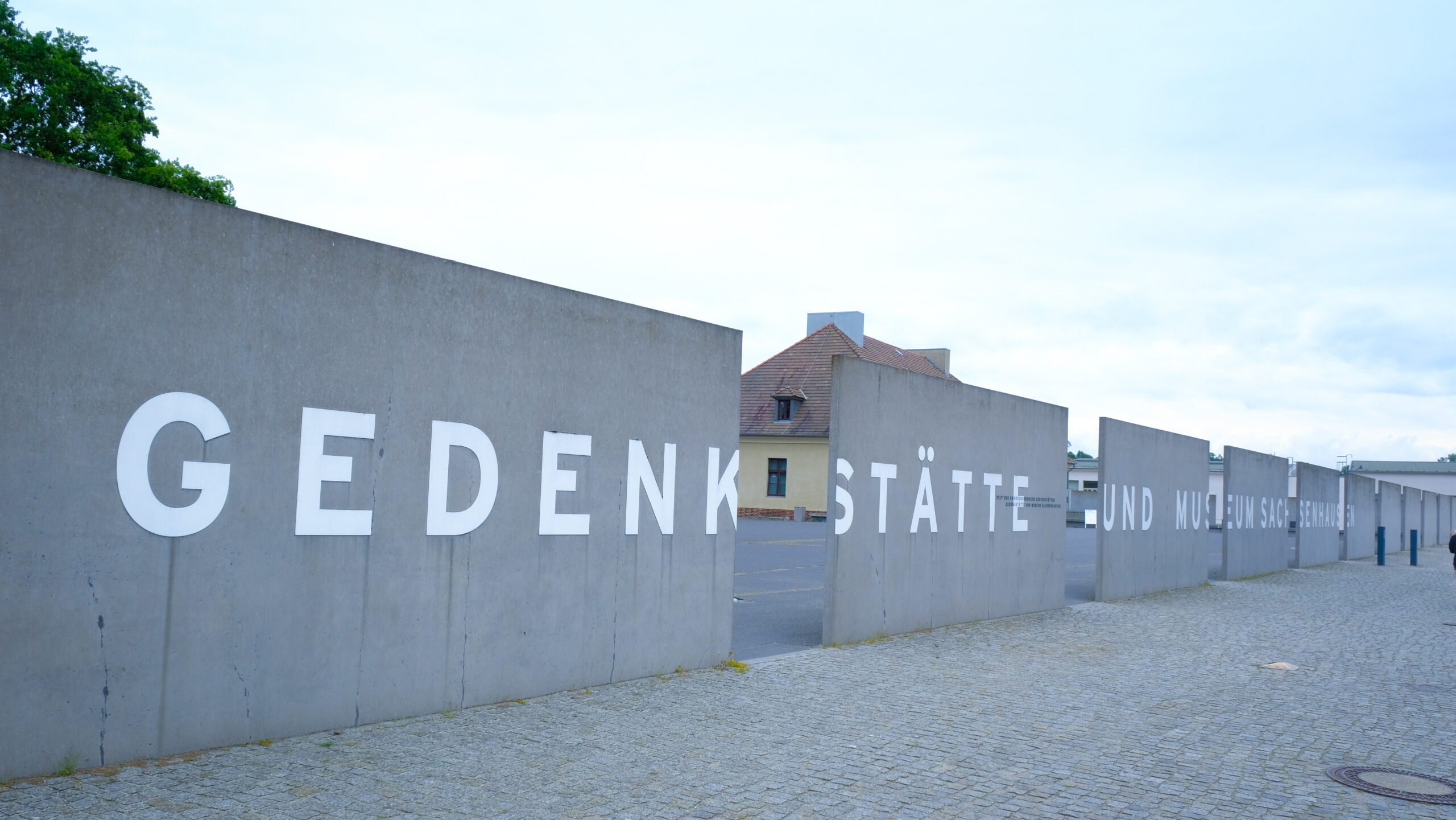
The Sachsenhausen Death March was one of the most painful events at the end of World War II. It happened when the Nazis forced thousands of weak and sick prisoners to walk for many days in the cold. Many people died on the way. This article gives you the full story in simple words. You will understand what happened, why it happened, how people suffered, how they were freed, and how the world remembers them today.
What Led to the Sachsenhausen Death March
Final Months of World War II
By early 1945, the war was almost over. The Allied armies were getting closer to Berlin. The Nazis knew they would lose. They wanted to hide the crimes they had done in camps like Sachsenhausen.
They did not want prisoners to be freed, and they did not want the world to see what they had done. So they made a terrible choice.
Why the Forced Evacuations Happened
The Nazis ordered the guards to take prisoners out of the camp. They forced them to walk far away from the front lines. This long walk became known as the Death March.
The Nazis wanted to:
-
Move prisoners away from the coming liberation
-
Hide evidence of crimes
-
Use prisoners as workers until the very end
-
Keep control for as long as possible
The decision was cruel. Many prisoners were already very weak. They had no strength left for long walks. But they were still pushed out of the camp.
The Death March: Timeline and Conditions
Start of March and Daily Realities
The Sachsenhausen Death March began in April 1945. Guards ordered more than 30,000 prisoners to walk. They were given almost no food. Some had no shoes. Many had only thin clothes. The weather was cold. Some paths were covered with snow and mud.
The march lasted for many days. Prisoners walked during the day and stopped at night. But even during rest, they had no shelter. Many slept outside. Some fell sick. Some collapsed from hunger and cold.
Hardships Prisoners Faced on the Route
The conditions were terrible. Prisoners faced:
-
Freezing nights
-
Hunger and thirst
-
Weakness from long walking
-
Sickness and disease
-
Rough treatment by guards
-
Random shootings
-
No medical care
Those who slowed down were often killed. Some guards shot prisoners who could not move fast. Many saw their friends die on the road. The march broke bodies and hearts. It was a time of deep pain. Some prisoners tried to escape. A few found help in villages. Many were too weak to run. The march felt endless.
Routes Taken and the Liberation Process
Main Paths Used During the Evacuations
The routes were not the same for everyone. Different groups were moved in different directions. Some were forced toward the Baltic Sea. Some were moved toward Lübeck. Others were pushed toward Theresienstadt in the Czech lands.
The goal was to keep prisoners away from Allied forces. But the Allies were moving fast. The war was closing in. The Nazis began to lose control of the march.
Arrival of Allied Forces and Rescue
In the last week of April 1945, Allied armies reached the area around Sachsenhausen. Soviet and British troops entered the camp on April 22–23, 1945. They found the camp nearly empty. Most prisoners had been taken away.
But along roads and in forests, troops found many survivors. Some were alive but very sick, and some had collapsed from hunger. Some had been left behind by guards. Many were near death.
The soldiers gave them food, water, and care. Many cried with relief. For them, freedom came after years of fear. Iberation was a moment of hope, but the suffering had already taken many lives. The memory of those days still hurts today.
Legacy of the Sachsenhausen Death March
Remembering the Victims
The Death March is one of the darkest parts of Sachsenhausen’s history. Thousands of prisoners died on the road. Families lost loved ones. Many survivors carried trauma for life.
The world remembers this event so we never forget:
-
The danger of hate
-
Cost of cruelty
-
The need for human rights
-
Importance of peace
The victims are honored every year. Their stories are shared with new generations, and their courage is remembered.
Historical Importance and Education
The Death March teaches us lessons. It shows:
-
What happens when a government abuses power
-
How hate can lead to brutal actions
-
Why we must protect the weak
-
Why history must never be hidden
Schools, museums, and memorials talk about the Death March. They share the truth in simple and respectful ways. This helps people understand the past. It helps prevent the same mistakes in the future.
Sachsenhausen Memorial – A Guide for Visitors
- One should plan his or her visit before getting to the site in order to allow enough time to tour the place.
- It is recommended that one dress well, especially due to cold weather that is experienced when on a winter visit.
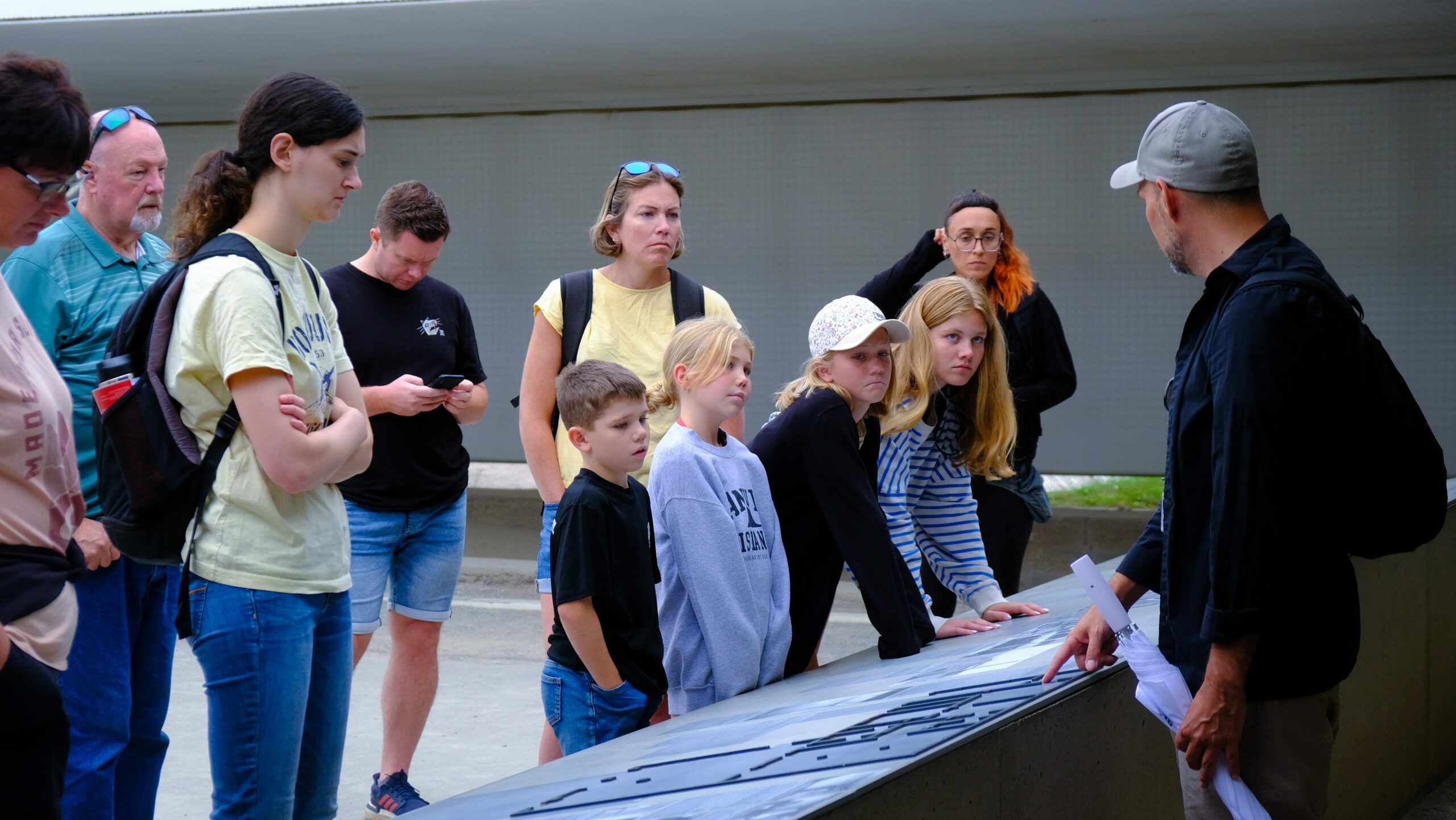
- One can cash in on a used guided tour or an audio-visual guide to fully understand the historical aspects of the camp.
- When visiting the memorial site, please act courteously and refrain from pulling funny faces.
- It’s important to bring some extra cash to leave a donation for the site’s maintenance and to fund the visitors’ center’s education programs.
Final Thoughts
The Death March Sachsenhausen Concentration Camp is a painful archeology of many people’s suffering under the oppressive NSDAP regime. We must learn and accept such incidents to avoid repetitions of similar types of acts in the future. As a result, it is possible to try to turn history into a story about victorious love, respect, and compassion and freedom.
Through reading this article, we would like to encourage you to learn more on the death marches from Sachsenhausen and/or pay a visit to the memorial.