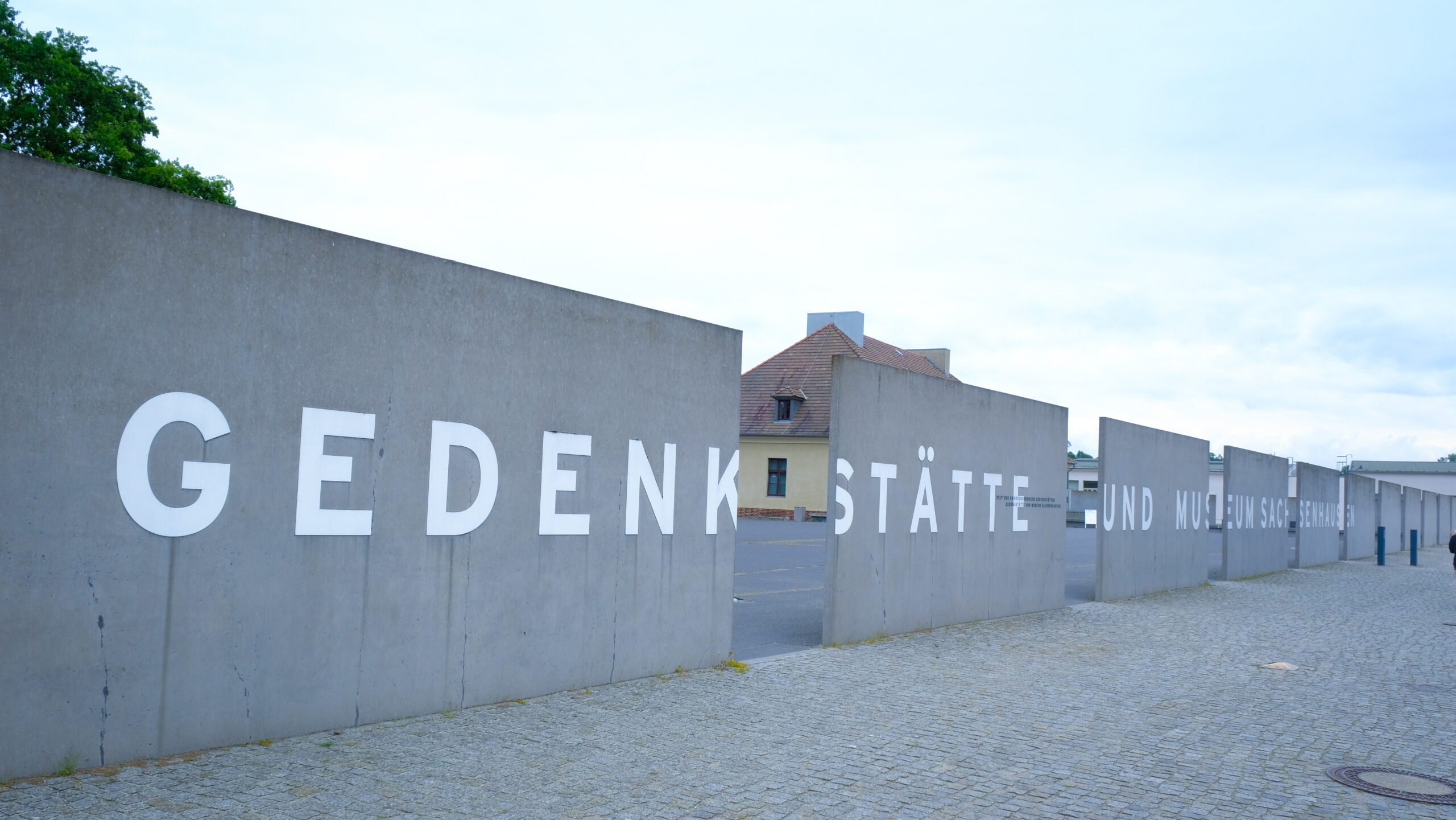
Sachsenhausen Concentration Camp is one of the most important memorial sites in Germany, and many people join the Berlin Concentration Camp Memorial Tour to learn its history. Anyone who wants to understand the Holocaust should visit this place. The camp is in Oranienburg, Germany about 25 km north of Berlin. The Nazis built it in 1936, and it was one of the first camps they created. It was used as a political prison, and many people who spoke against the Nazi rule were taken here. Many of them were killed.
Today, Sachsenhausen is one of the best-preserved camps in Europe. It is now a memorial to honor the people who suffered and died here.
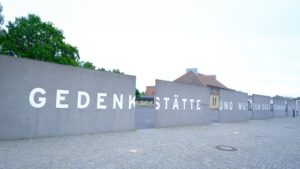
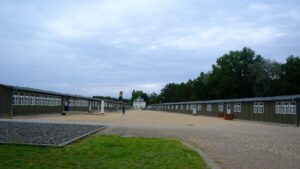
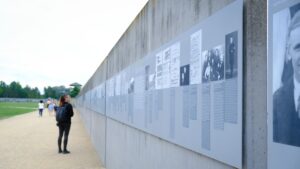
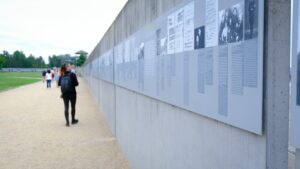
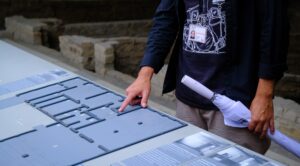
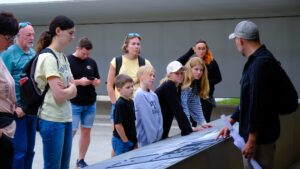
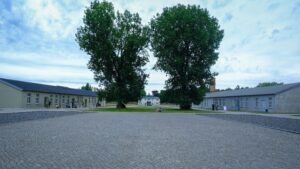
Visitors can walk through the grounds and see where many events took place. The museum has displays, photos, and objects that explain the history of the camp. There are also videos that show what life was like for the prisoners. Guided tours are available for people who want a deeper understanding of what happened here.
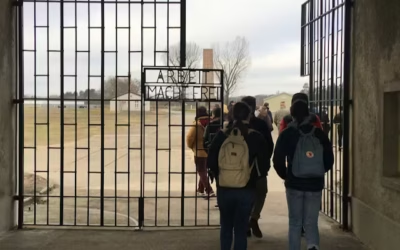
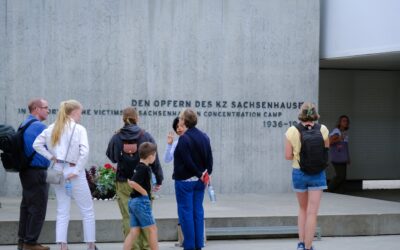
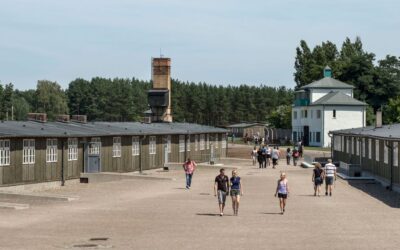
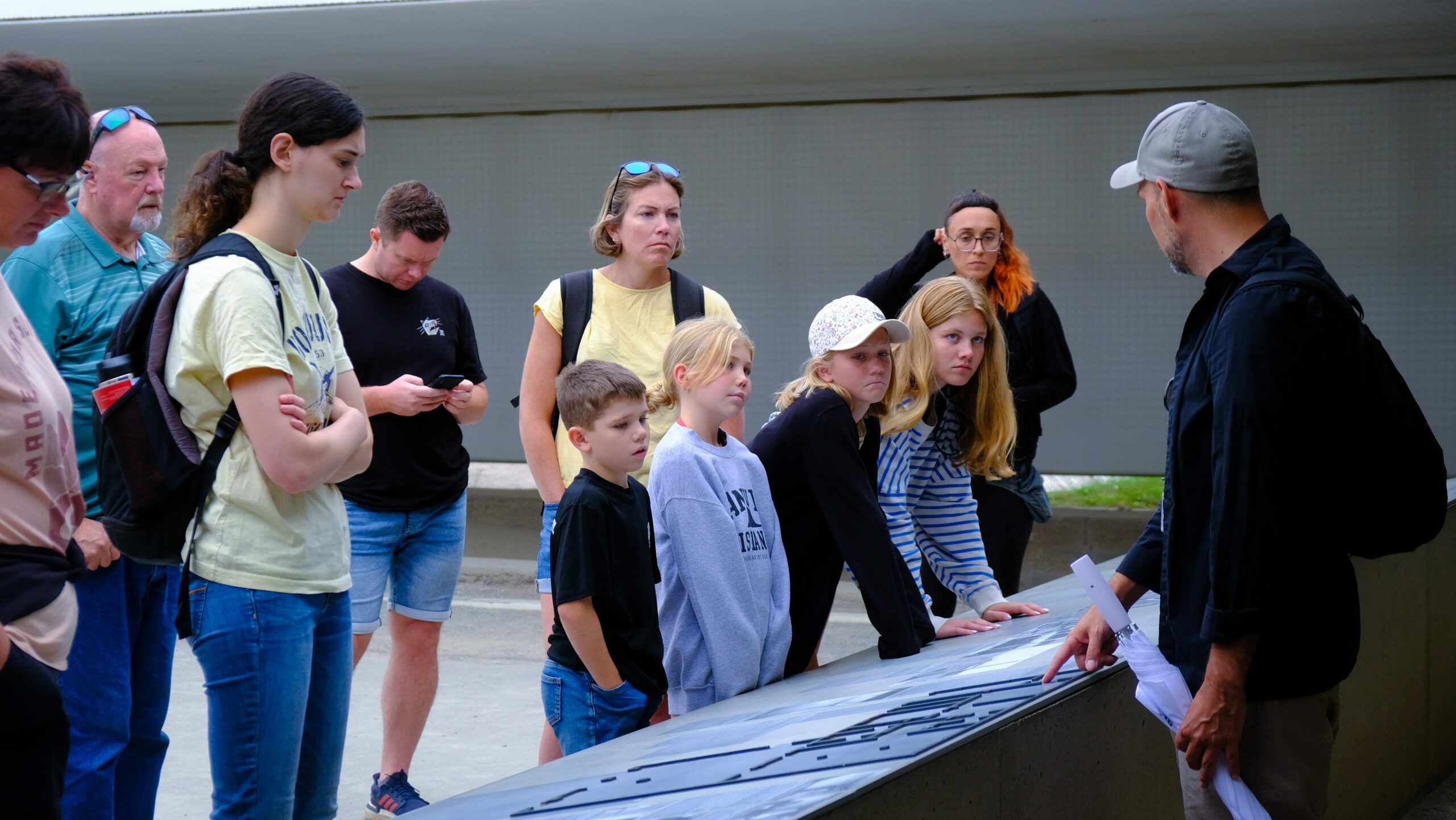
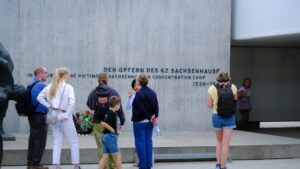
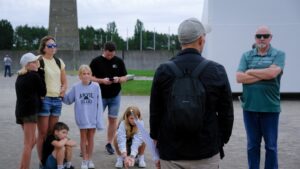
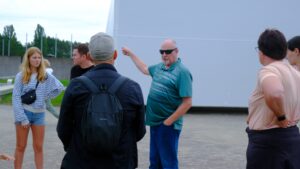
Today, the Sachsenhausen tour is one of the most popular historical tours in Berlin. It helps visitors learn about the camp, the people held there. Many visitors take photos during the tour to remember and reflect on this important place. Here are some of our favorite Sachsenhausen Tour Berlin Concentration Camp Memorial Tour Photos:
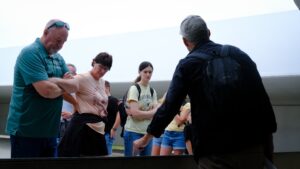
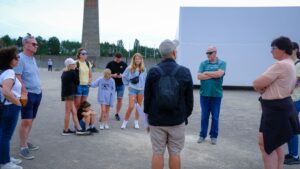
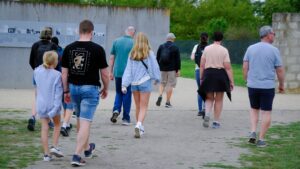
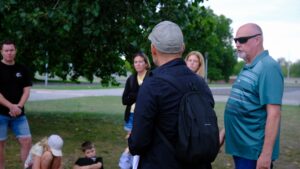
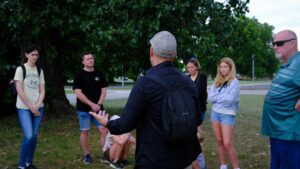
Concentration Camp Sachsenhausen Memorial Tour Starting Point:
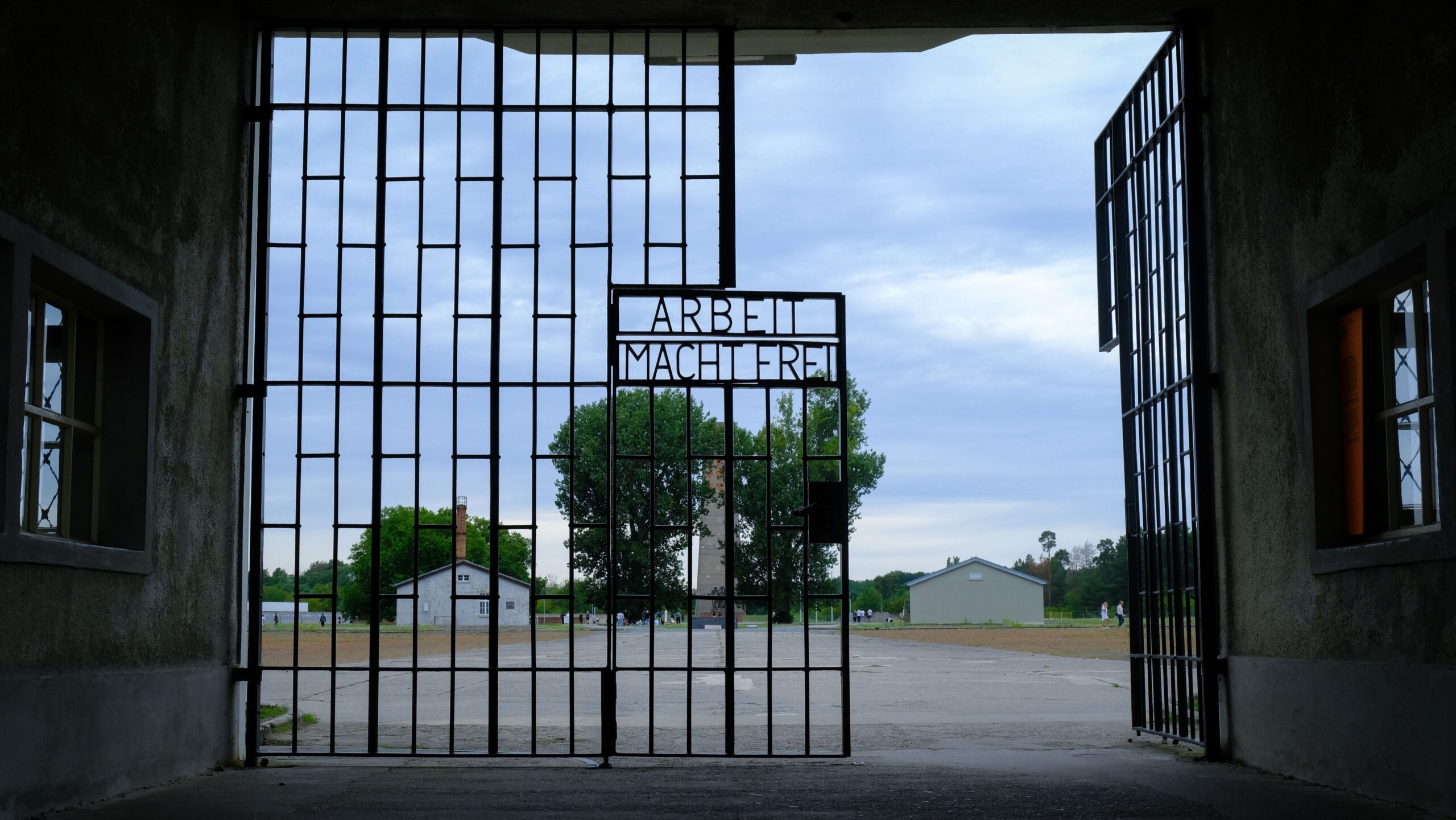
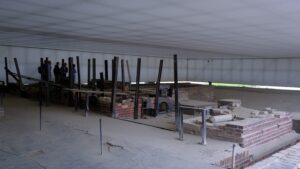
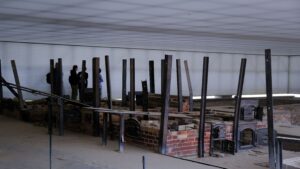
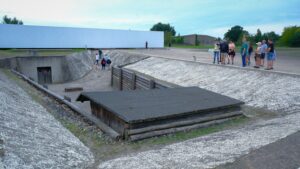
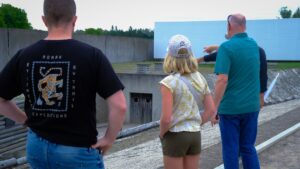
Station Z at Sachsenhausen:
Station Z, was built in 1942, it contained many rooms including a mortuary cellar, a gas chamber and four cremation ovens.
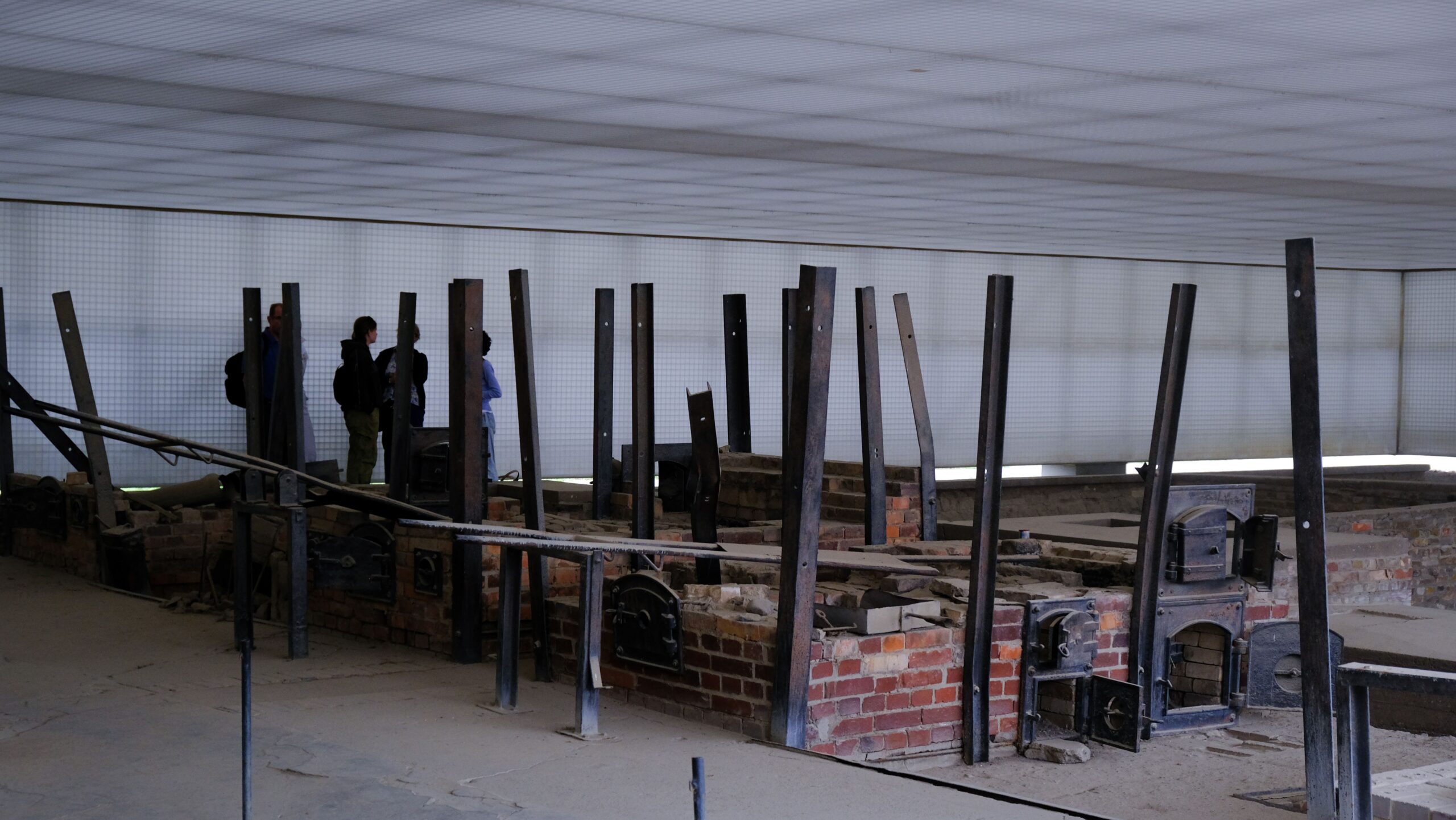
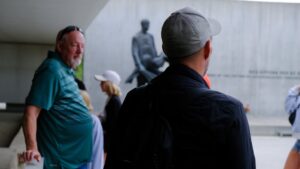
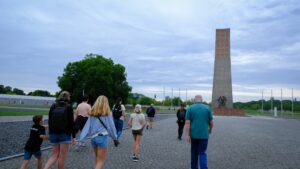
Anti-Fascist Freedom Fighters Memorial
The obelisk was built in 1961. It was deliberately built right in front of the principle entrance. Standing at 40 meters high, it was made to stand twice as high as Watch Tower A.
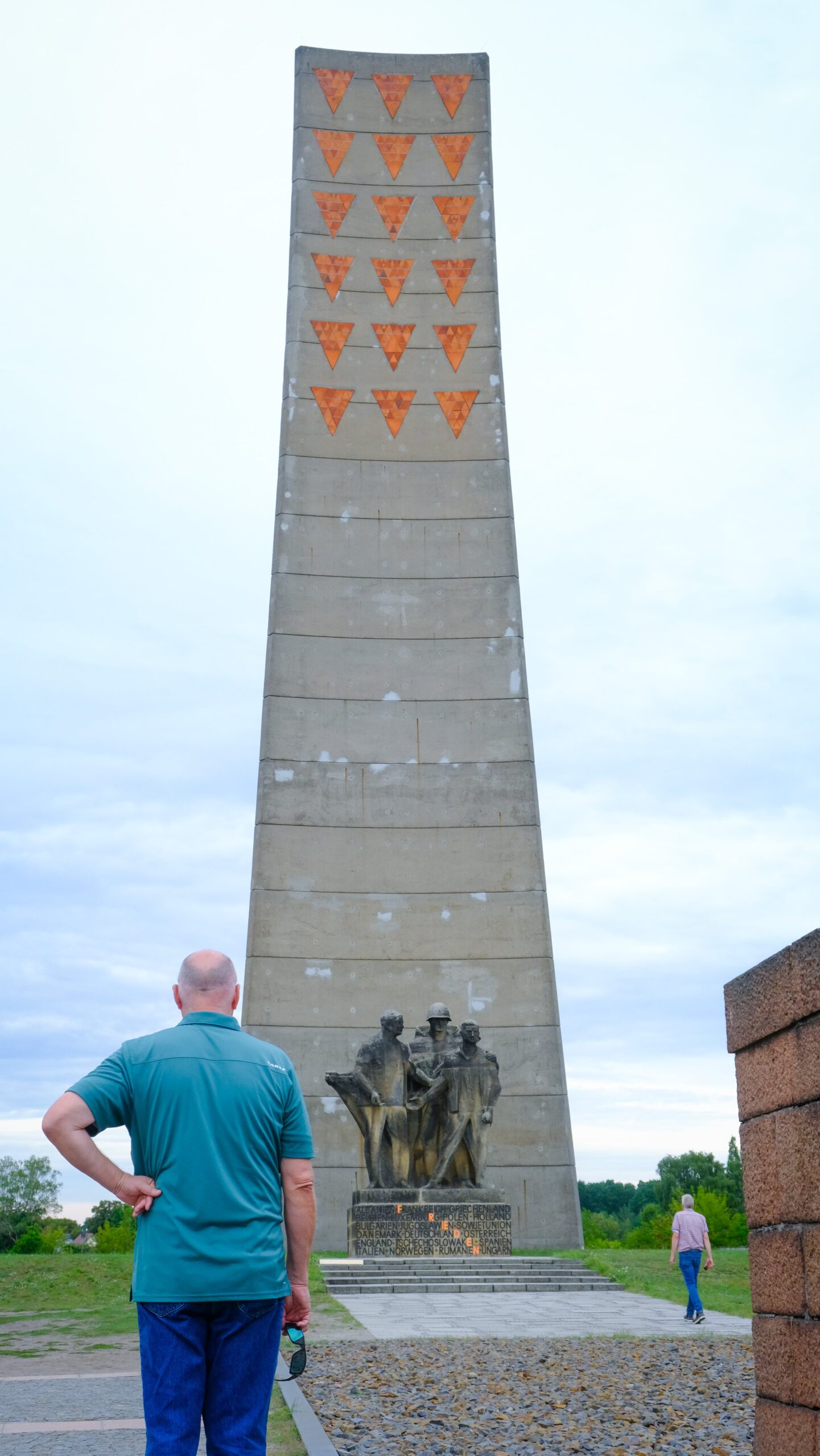
Watch Tower A
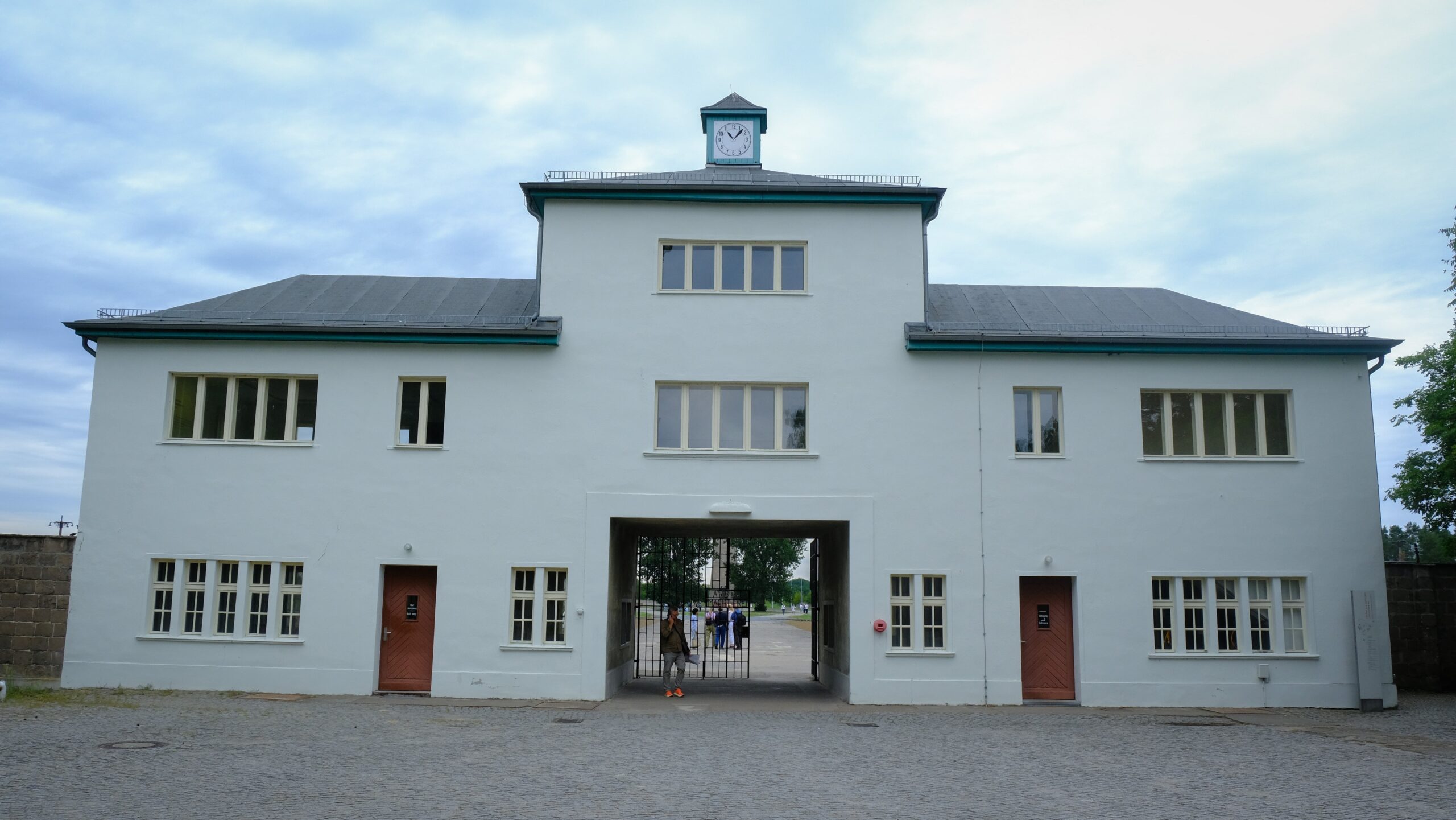
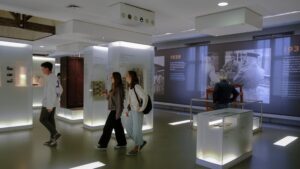
The Sachsenhausen Memorial contains several museums including the exhibition inside Watch Tower A. The museums tell about life in the camp, and the experience that the prisoners forced to live in the camp faced. The museums contain such items as clothes, photographs, documents, prisoners possessions and other related artifacts. The memorial also contains such installations as touch-sensitive and message screens that complete a highly educational experience of the actual life at Sachsenhausen. Book Now Sachsenhausen Memorial And Museum Tour
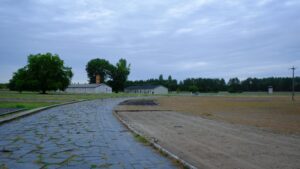
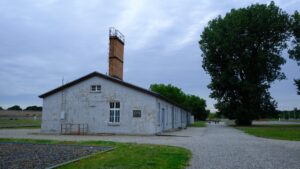
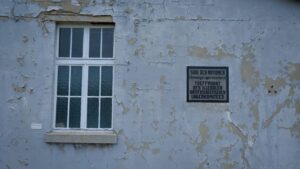
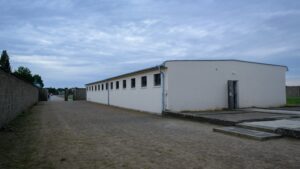
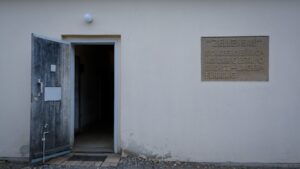
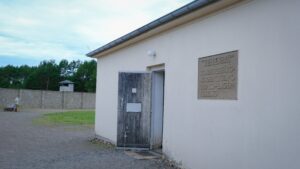
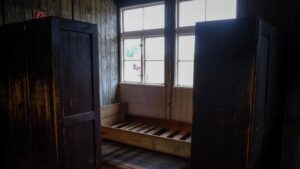
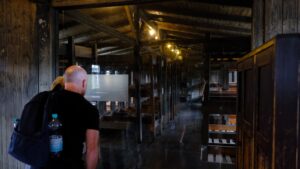
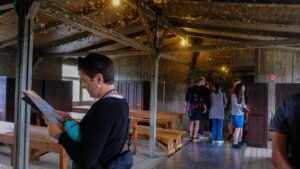
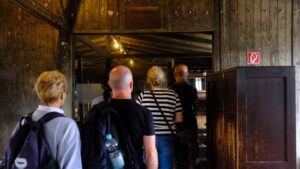
Some More Images:


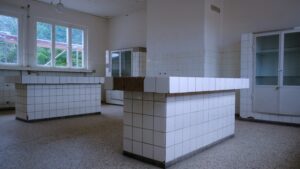
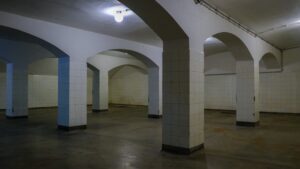
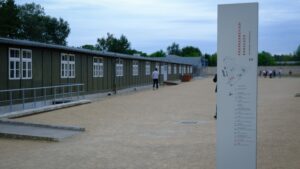
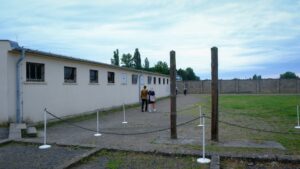
Frequently Asked Questions
Location of Sachsenhausen Concentration Camp?
The Sachsenhausen Memorial is in Oranienburg, about 35 to 45 minutes by train from central Berlin. It is one of the most visited historical sites near the city.
How long does a Sachsenhausen tour last?
Guided tours usually last 5 to 6 hours, including travel from Berlin. If you visit on your own, you will likely spend 2 to 4 hours exploring the memorial and museum exhibits.
Is Sachsenhausen good for children?
The memorial is educational, but the history is serious and emotional. Please consider your child’s age and maturity before visiting.
Can I take pictures as a visitor to Sachsenhausen?
Yes, you can take photos in most outdoor areas of the memorial. Please remember this is a place of remembrance for victims of Nazi persecution and act respectfully.
What should I wear on the tour?
Wear comfortable shoes and dress for the weather. Much of the memorial is outdoors, and you will likely walk long distances during your visit.
Yes, the Sachsenhausen Memorial is wheelchair accessible.
Many areas of the memorial are accessible, but some historic paths may be uneven. If you have mobility concerns, please check accessibility details before your visit.
Are the guided tours worth it?
Many people choose guided tours because guides share historical background, survivor stories, and explanations that help visitors understand the site’s significance.
What was Sachsenhausen used for first?
The Nazis first built the camp as a concentration camp for political prisoners. Over time, it held many types of prisoners, including resistance members, Jews, prisoners of war, and other victims of the Nazi regime.
Can you visit Sachsenhausen without a guided tour?
Yes, you can reach the memorial from Berlin by public transport and explore at your own pace. Audio guides and information boards are available throughout the site.
Is Sachsenhausen different from Auschwitz?
Yes. Sachsenhausen was near Berlin and mainly served as an administrative and detention camp. Auschwitz, in occupied Poland, became the largest extermination camp run by the Nazis. Both are important memorials that teach about different parts of Holocaust history.
What is the purpose of the memorial now?
Today, Sachsenhausen serves as a place of remembrance, education, and historical research. The memorial teaches visitors about the dangers of dictatorship, racism, and political extremism. A majority of tours run year round, even in the rain or winter. Much of the experience is outdoors, so visitors should dress warmly in the colder months.
By Sachsenhausen tours