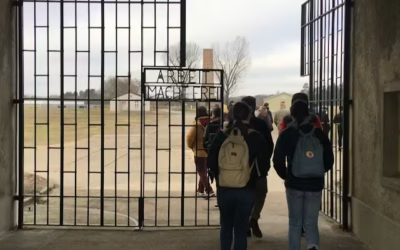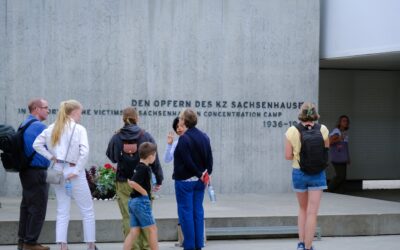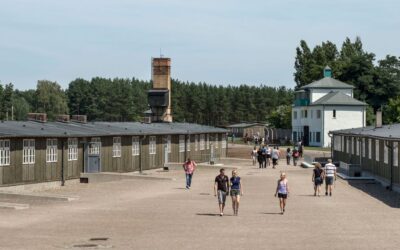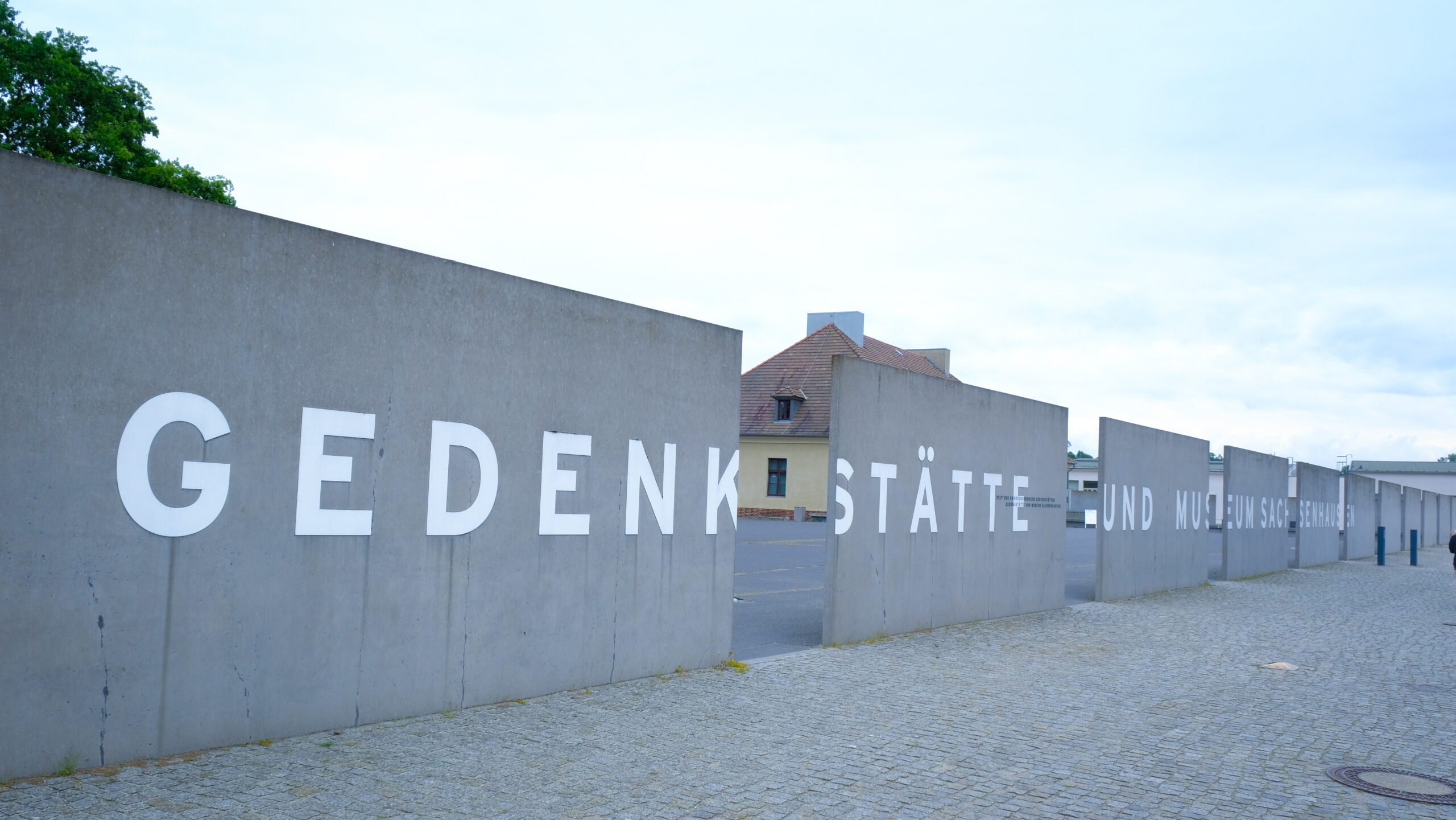
Visiting a concentration camp memorial is very different from a typical tourist activity. It is a serious, emotional, and educational experience. These sites are preserved to help people learn, remember the victims, and understand how hatred, discrimination, and dictatorship can cause immense suffering and loss of life. For many people, reading about the Holocaust is not the same as standing at the actual site. Visiting can be challenging, but it is often a meaningful experience. This guide will help you know what to expect, how to get ready, how to show respect during your visit, and how to reflect afterward.
Why visit a memorial to a concentration camp?
Many people wonder if they should visit a concentration camp memorial even if they already know the basic history of the Holocaust.
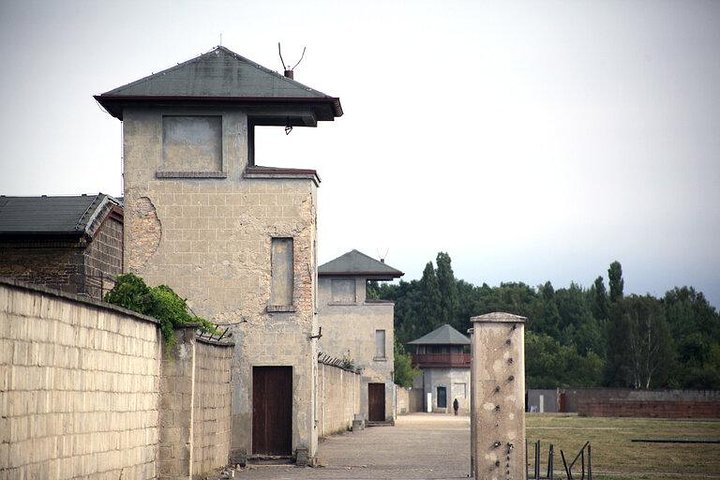
The decision is personal. Some people may not feel ready for this kind of visit. For many, though, visiting a memorial site offers a much deeper understanding than books, documentaries, or photos can provide. Being there helps visitors grasp the scale and reality of what happened, and the impact on real people. The purpose is not curiosity or dark tourism, but honoring, learning, and showing respect.
Go to a concentration camp and you can:
- Find out more about history.
- Respect the victims
- Take human rights into account.
- Learn about the dangers of hate and extremism.
- Witnesses’ memory
Is it worth visiting a concentration camp?
Yes, for many it is a powerful and important experience. The emotional challenge is often worth it for the deeper understanding of history and remembrance that visitors can find.
What do you learn when you visit a concentration camp?
You will find out about the camp system, the prisoners and their daily suffering, persecution, forced labor, and the wider history of nazi Germany and the Holocaust.
How to Prepare for a Visit to a Concentration Camp
Before you visit, take the time to learn about the particular camp. Every site tells its own story. Auschwitz, Dachau, Sachsenhausen, Buchenwald, Mauthausen, and the other camps were not identical. Above all, some were forced into labor camps. Some became killing centers. Some were used for political prisoners, Jewish prisoners, Roma and Sinti, Soviet prisoners of war, LGBTQ+ people, disabled people, religious prisoners, and many others persecuted by the Nazi regime.
Check before you go:
- Hours of business
- Ticket/reservation regulations
- Guided tours available
- Rules of photography
- Get information
- Meteorological conditions
- How long does the visit usually last
Also, it helps if you read a little bit about the site’s history beforehand. This allows you to understand more on your visit rather than trying to absorb everything at once.
Do I need to do research before I go?
Yes. Doing some basic research will make your visit more meaningful. You don’t need to be an expert, but knowing the background helps you understand what you see.
- Prepare Yourself Emotionally for Your Visit
- Visiting a concentration camp memorial can be emotionally draining. Some people feel sad, angry, shocked, quiet, or even numb during the visit and may need time to process it afterward.
- There is no “right” emotional response.
- You may see prison barracks, execution sites, crematoriums, personal effects, photographs, documents, and memorials. These may be hard to digest.
- Try not to plan a busy or festive activity right after your visit. Give yourself time to process the experience.
How difficult is it to get to a concentration camp?
Yes, it can be. Many visitors say the experience is even more powerful in person than they expected.
What if I feel overwhelmed by the visit?
You may go out, pause, sit in silence, or leave a certain exhibition area. Breaks are fine.
What to bring with you
Visits often involve a lot of walking, standing, and time outside. Bring practical items that will help you stay comfortable without detracting from the site’s seriousness.
Suggested Items:
- Comfortable footwear
- Suitable clothing for the weather
- Water.
- A small snack
- Tissues
- A journal if you want to think things through
- A cell phone or camera, where photography is allowed
Dress respectfully and practically. Avoid clothing with offensive images, slogans, or anything inappropriate for a memorial.
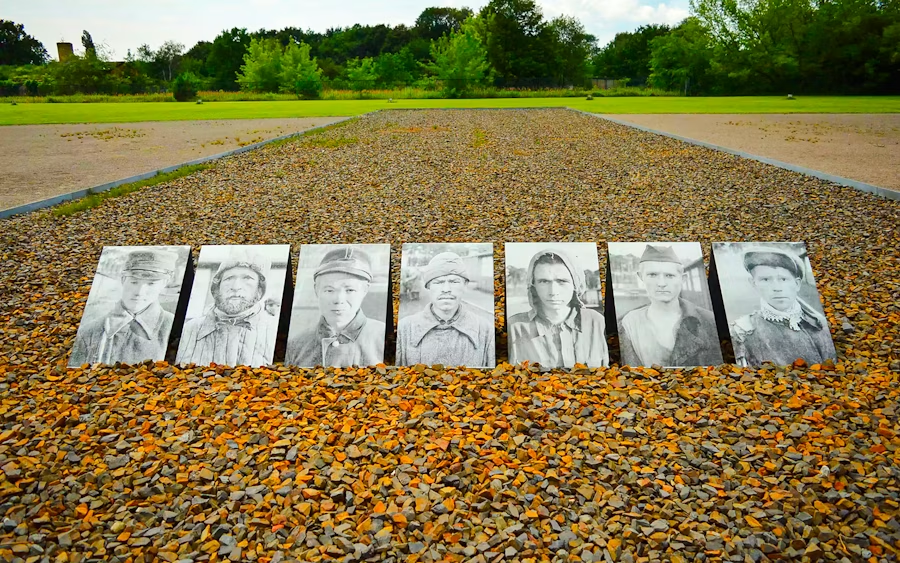
What should I wear to a concentration camp memorial?
Dress appropriately and respectfully. You may walk for several hours, often outside, so wear practical shoes and clothes suitable for the weather.
How to behave respectfully during the visit
A concentration camp memorial is a memorial. Many visitors come to pay their respects to relatives, victims, or communities affected by the Holocaust and Nazi persecution.
Respectful behavior is:
- Speaking softly
- Not laughing or joking noisily.
- No photos inappropriately taken
- Do not climb on memorials or ruins.
- Obeying all signs and regulations
- Keeping to the allowed tracks
- Being attentive to guides
- Make room for other visitors.
Remember, this is not just a historical site. It is also a cemetery, a memorial, and a place marked by trauma.
Is smiling or taking selfies allowed?
Usually, it is inappropriate to take casual smiling selfies at concentration camp memorials. If you take photographs, please be respectful and use them for remembrance or education.
Can You Take Photos in a Concentration Camp?
There are specific rules for taking photos at memorials. Some places allow photography, while others do not. Taking pictures is not automatically disrespectful. Many people take photos to remember, reflect, or educate others. What matters most is how and why you take the photo.
Don’t:
- Playfully mocking
- Fashion-style photography
- Dramatic social media content creation
- Use of music, or filters that create the illusion that the site is for fun
- Photographing other visitors without their consent
If you share photos online, include some thoughtful historical context.
Is it okay to share photos from a concentration camp on social media?
Yes, if done respectfully. Please do not post casual captions, jokes, or aesthetic posts. Share only with appropriate context and sensitivity.

Guided tour or self guided tour
There are two main ways to visit: with a guided tour or on your own.
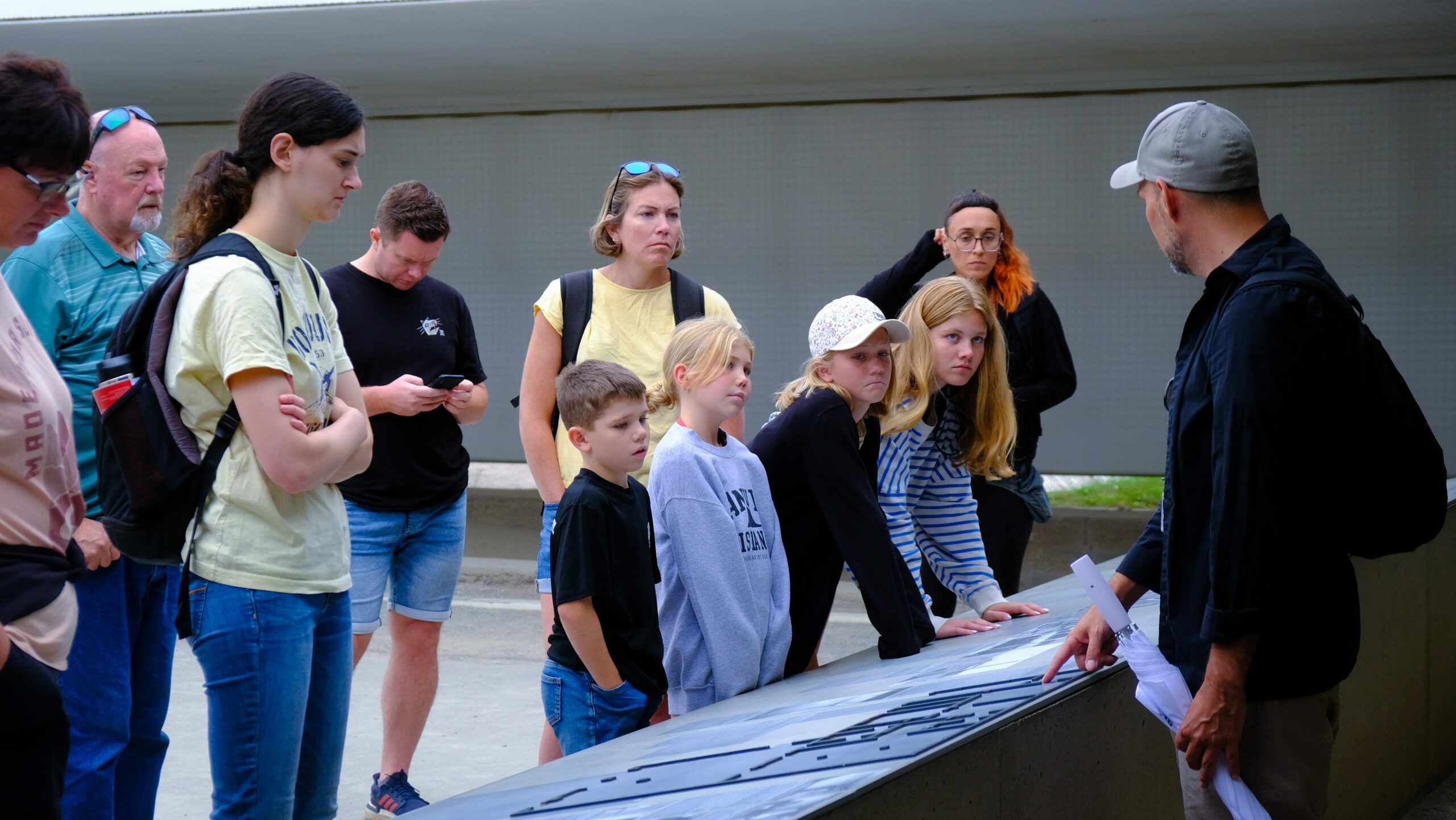
If you’re a first time visitor, a guided tour is usually the best option. A knowledgeable guide can explain the history, prisoners’ experiences, the layout of the camp, and what different areas mean. Memorial sites often include elements that are not easily understood without context. Guided tours are particularly useful for this.
Advantages of a guided tour:
- Clear historical explanation
- Better knowledge of location
- Opportunity to ask questions
- Structured experience
- Less chance of missing critical areas
To book a tour or not?
Yes, especially if it’s the first time. A guide can help you understand what happened and why the site was important.
Visit on your own
On a self-guided visit, you can travel at your own pace. Many memorials have maps, signs, exhibitions, and audio guides. If you like quiet reflection or already know the history, this may be a good option. Advantages of a self guided.
- More time for personal reflection
- Freedom to pause and rest when needed
- Schedule flexibility
- Ability to walk slowly through exhibitions
Either one can be meaningful. Your learning style and emotional needs determine the best choice.
Sachsenhausen day trip from Berlin
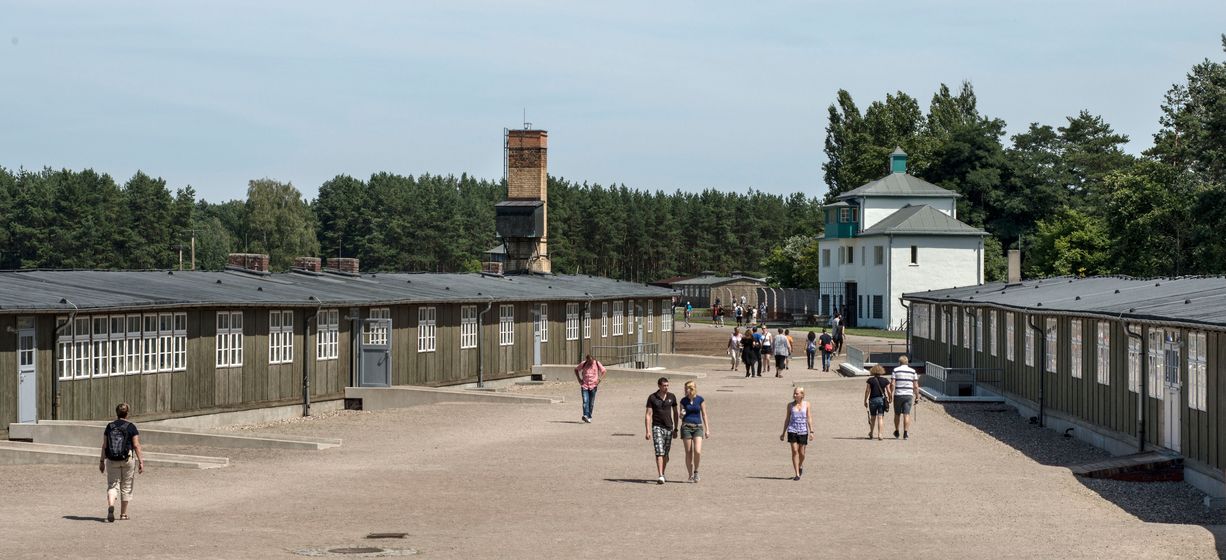
Sachsenhausen Memorial is one of the most important concentration camp memorials near Berlin, and if you are traveling to the city, you shouldn’t miss it.
Sachsenhausen is just outside of Berlin in Oranienburg. It was a major concentration camp used by the Nazi regime and later an important memorial and museum.
A trip to Sachsenhausen sheds some light on:
- The Nazi concentration camp system *
- The life of the prisoner and the compulsory work
- Political imprisonment.
- Camp organization and control
- Nazi persecution
- The importance of today to remember
Because Sachsenhausen has a complex history, many visitors choose a guided tour from Berlin. If this is your first visit to a concentration camp memorial, a guide can help explain the site clearly and respectfully.
Here you can learn more about our tours in Sachsenhausen: https://sachsenhausentour.de/
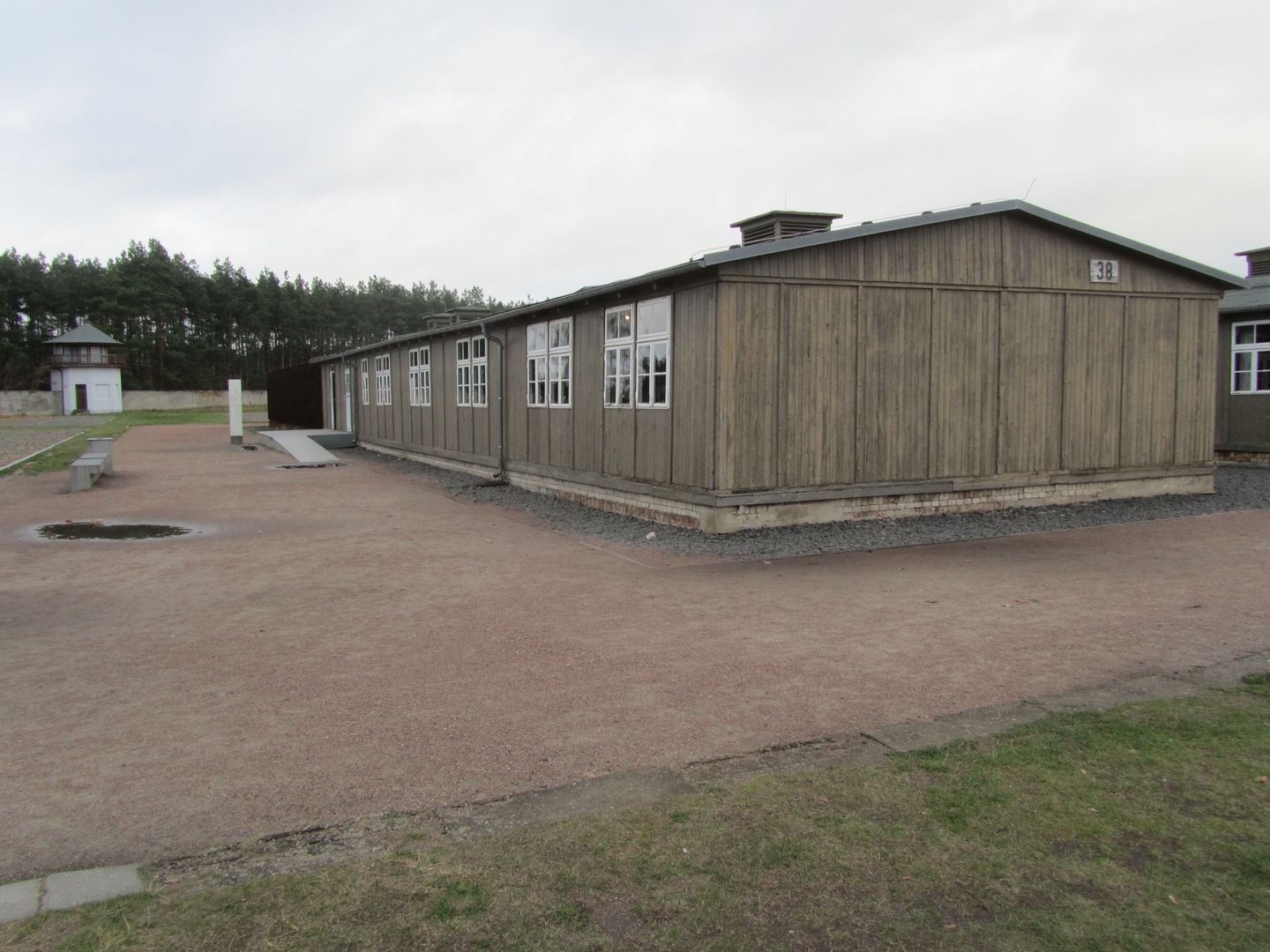
Is Sachsenhausen visitable from Berlin?
Yes. Sachsenhausen is one of the most accessible concentration camp memorials from Berlin and can be visited as a half day or full day historical experience.
Should I visit Sachsenhausen?
Yes. Sachsenhausen is a significant memorial site for the understanding of Nazi Germany, persecution, forced labor, and the broader concentration camp system.
How Much Time Should You Spend at a Concentration Camp Memorial?
Take your time during your visit. These sites deserve attention and reflection.
Most visitors spend 2 to 4 hours at a concentration camp memorial site. This can often take longer for larger sites. Many visitors allow half a day to visit Sachsenhausen, including travel time from Berlin.
How long does a visit to a concentration camp take?
Most visits are several hours long. Guided tours are more structured, but self-guided visits might take longer if you read all the exhibitions carefully.
Should Kids Visit a Concentration Camp?
It depends on the child’s age, maturity, and understanding of history. “Older teens could benefit from a visit as part of historical education. The topic may be upsetting or too difficult for younger children to grasp. Parents and teachers should prepare children in advance and explain the site’s seriousness.
Is It Okay To Show Kids Concentration Camps?
They can be suitable for older children or teenagers, especially with preparation. They are not suitable for young children.
After the Visit: Reflection and Aftercare
If you have visited a concentration camp memorial, allow yourself time to process what you have seen and learned. You might want to:
- Sit quietly
- Write down your thoughts.
- Talk with someone you trust
- Read more about survivor stories.
- Visit a related museum.
- Reflect on human rights today.
Some visitors feel emotionally tired afterward. This is normal. A memorial visit can stay with you for a long time.
Is it normal to feel sad after visiting?
Yes. Many visitors feel sad, reflective, or emotionally drained after the visit.
Final Advice
Visiting a concentration camp is not typical sightseeing. It is about learning, remembering, and showing respect. Get ready before you go, act with care during your visit, and give yourself time to reflect afterward. A visit can be challenging, but it may also become one of the most meaningful historical experiences you have. When you visit with respect, knowledge, and sensitivity, you help honor the memory of the victims and support the ongoing importance of remembrance.
FAQs About Visiting a Concentration Camp
Should I visit a concentration camp if I already know the history?
Yes, if you feel ready. Being physically present at the site often gives a deeper understanding than reading or watching documentaries.
Is it disrespectful to visit a concentration camp as a tourist?
No, not if you visit respectfully. These memorials exist to educate the public and preserve memory.
Should I visit alone or with a group?
Either can work. Visiting with a guide or group may help you understand the history, while visiting alone may allow more personal reflection.
Can I eat during the visit?
It is better to eat before or after the visit. If you need a snack, do so discreetly in appropriate areas.
Can I talk during the visit?
Yes, but keep your voice low and respectful.
What should I not do at a concentration camp memorial?
Do not joke loudly, pose for inappropriate photos, ignore rules, climb on structures, or treat the site like a normal attraction.
Is a guided tour better than visiting on your own?
For most first time visitors, yes. A guided tour provides important context and helps you better understand the site.
Can I visit Sachsenhausen from Berlin in one day?
Yes. Sachsenhausen is close enough to Berlin for a half day or full-day visit.
Why is visiting a concentration camp important?
It helps preserve memory, educate future generations, and remind us of the consequences of hatred, racism, antisemitism, and dictatorship.
By Sachsenhausen Tours from Berlin