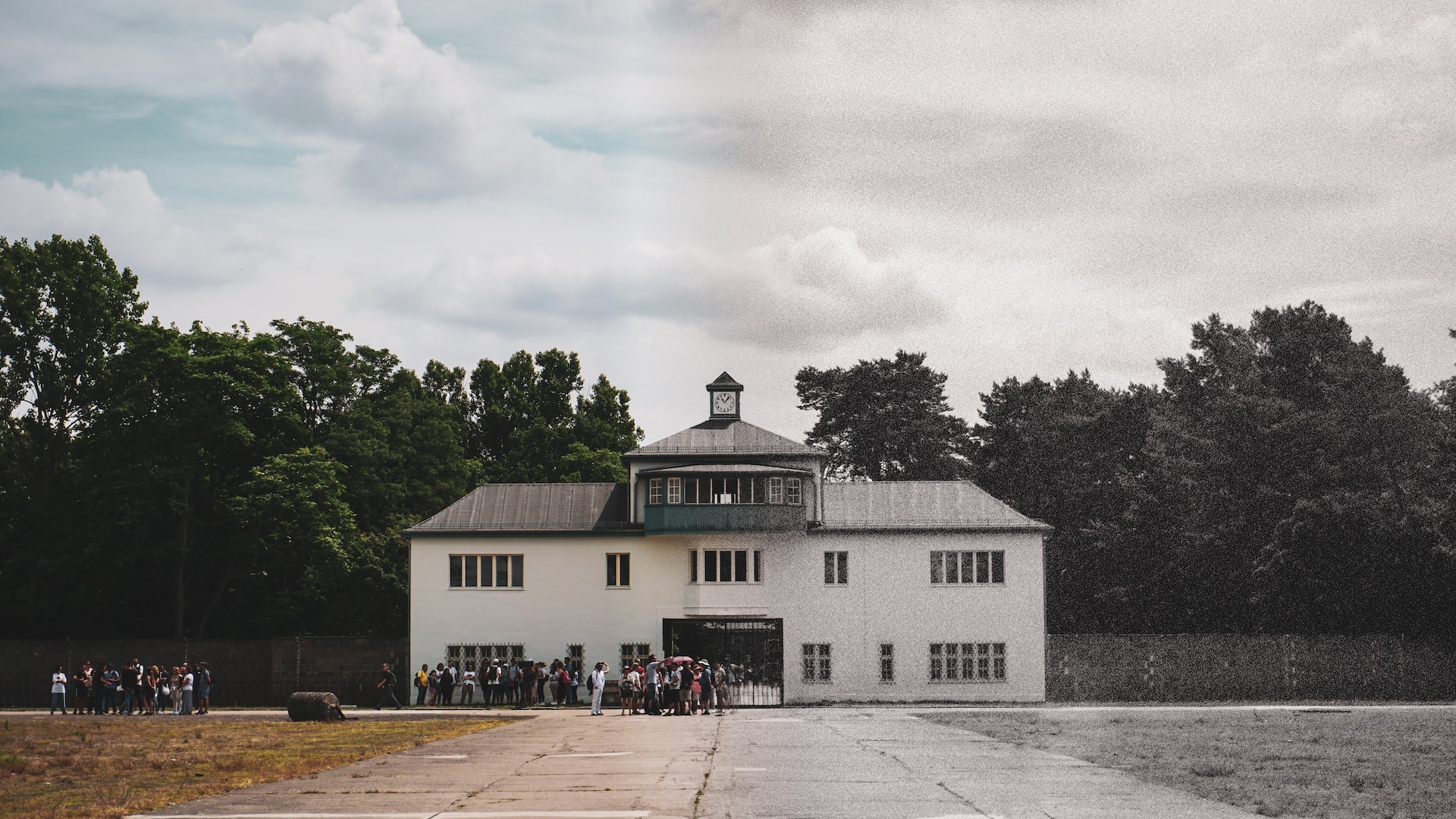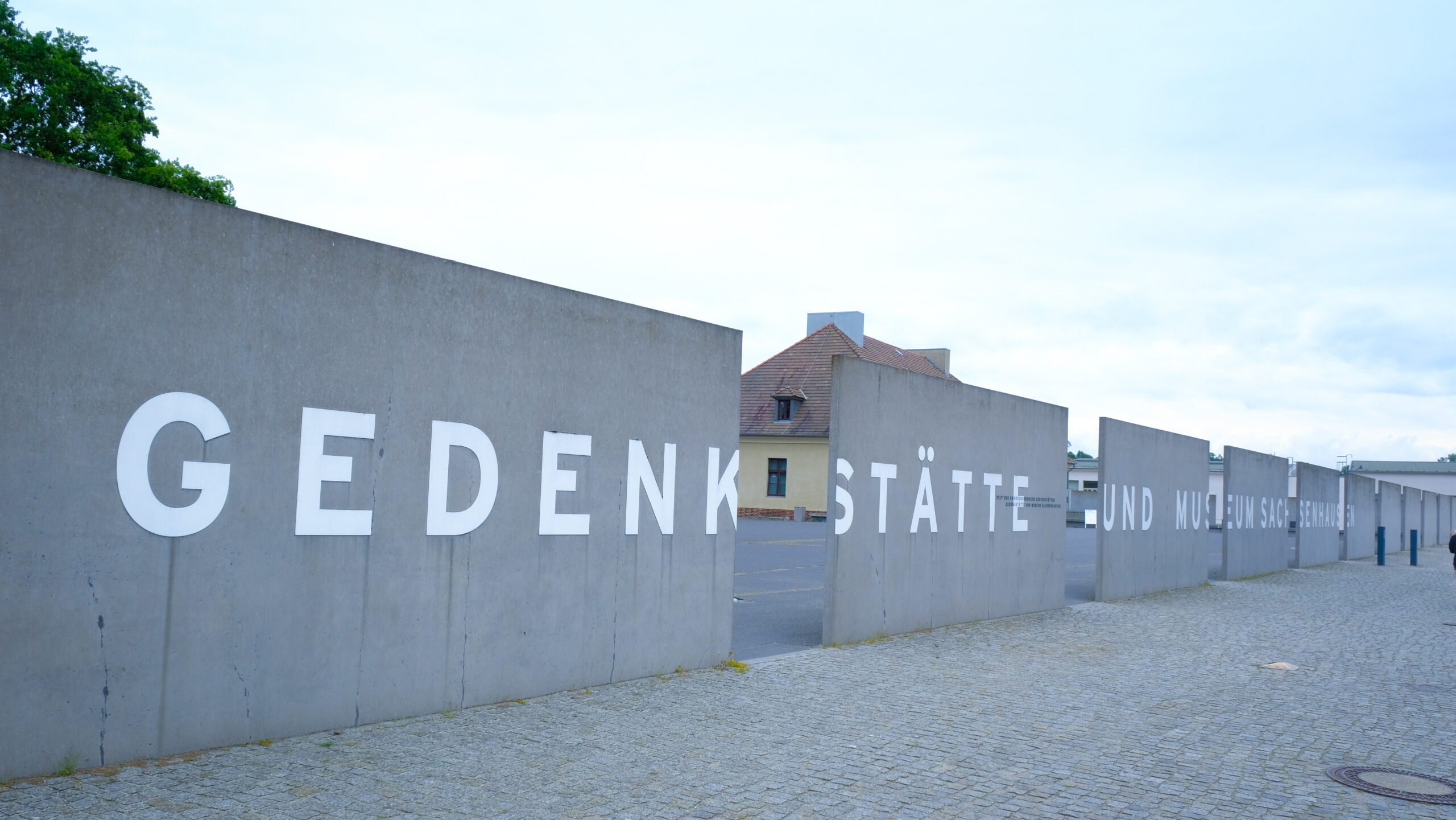
Sachsenhausen Concentration Camp stands as one of the darkest symbols of human cruelty during the Nazi regime. But what led to the opening of Sachsenhausen Concentration Camp? In this article, we explore its origins, life inside, horrific events, and its transformation into a memorial today.
The Origins of Sachsenhausen Concentration Camp
Sachsenhausen was established in 1936 by the SS near Oranienburg, a town just north of Berlin. Originally, it was built as a model concentration camp to showcase the efficiency of the Nazi system. Soon, it transformed into a training center for SS personnel who would later manage other camps across Germany.
The camp’s first prisoners were mainly political opponents of the Nazi regime. Later, it also held Jews, Jehovah’s Witnesses, homosexuals, and other persecuted groups. Over time, thousands of people were imprisoned, and the camp’s capacity grew significantly.
Sachsenhausen was designed in a triangular layout, which allowed the SS to monitor prisoners constantly. Its architecture was meant not only for control but also to instill fear. This fear was part of the method behind the opening of Sachsenhausen Concentration Camp—to break spirits and demonstrate Nazi power.
Life Inside Sachsenhausen
Life inside Sachsenhausen was extremely harsh. Prisoners faced:
Overcrowded barracks
Poor hygiene and sanitation
Scarce food and water
Forced labor in nearby factories
Prisoners were forced to work long hours in extremely tough conditions. Many became sick, weak, or died from exhaustion. Violence, both physical and psychological, was a constant part of camp life.
The SS guards aimed to humiliate and dehumanize inmates. Everyday life was meant to remind prisoners that they were considered “less than human” by the Nazi regime.
The Infamous “Death Strip”
One of the camp’s most terrifying features was the “Death Strip.” This was a high-security area along the perimeter, with electric fences, watchtowers, and patrols. Anyone trying to escape faced almost certain death.
The Death Strip served as a constant reminder of control and punishment, keeping prisoners trapped in fear. It was both a physical and psychological barrier.
Medical Experiments and Cruelty
Sachsenhausen was also a site of unethical medical experiments. Prisoners were subjected to experiments related to vaccines, surgeries, and other procedures meant to advance Nazi goals. These tests were inhuman and often fatal.
Doctors and officers treated prisoners with extreme cruelty. Torture, humiliation, and summary killings were common. The horrors of Sachsenhausen created trauma that survivors carried for the rest of their lives.
Forced Labor and Industry in the Camp
Apart from medical experiments, prisoners were forced to work in nearby factories and industries. Many worked in the industrial zone surrounding the camp.
Conditions were harsh: long hours, poor nutrition, little to no medical care, and constant threat of punishment. Forced labor was a key reason behind the opening of Sachsenhausen Concentration Camp, as it served the Nazi war effort.
Liberation and Aftermath
Sachsenhausen was liberated by the Allied forces in April 1945. Survivors faced the enormous challenge of rebuilding their lives while carrying memories of suffering.
The liberation revealed the scale of cruelty within the camp. Today, Sachsenhausen stands as a memorial and museum, educating visitors about the Holocaust and the human cost of hatred.
Visiting Sachsenhausen Today
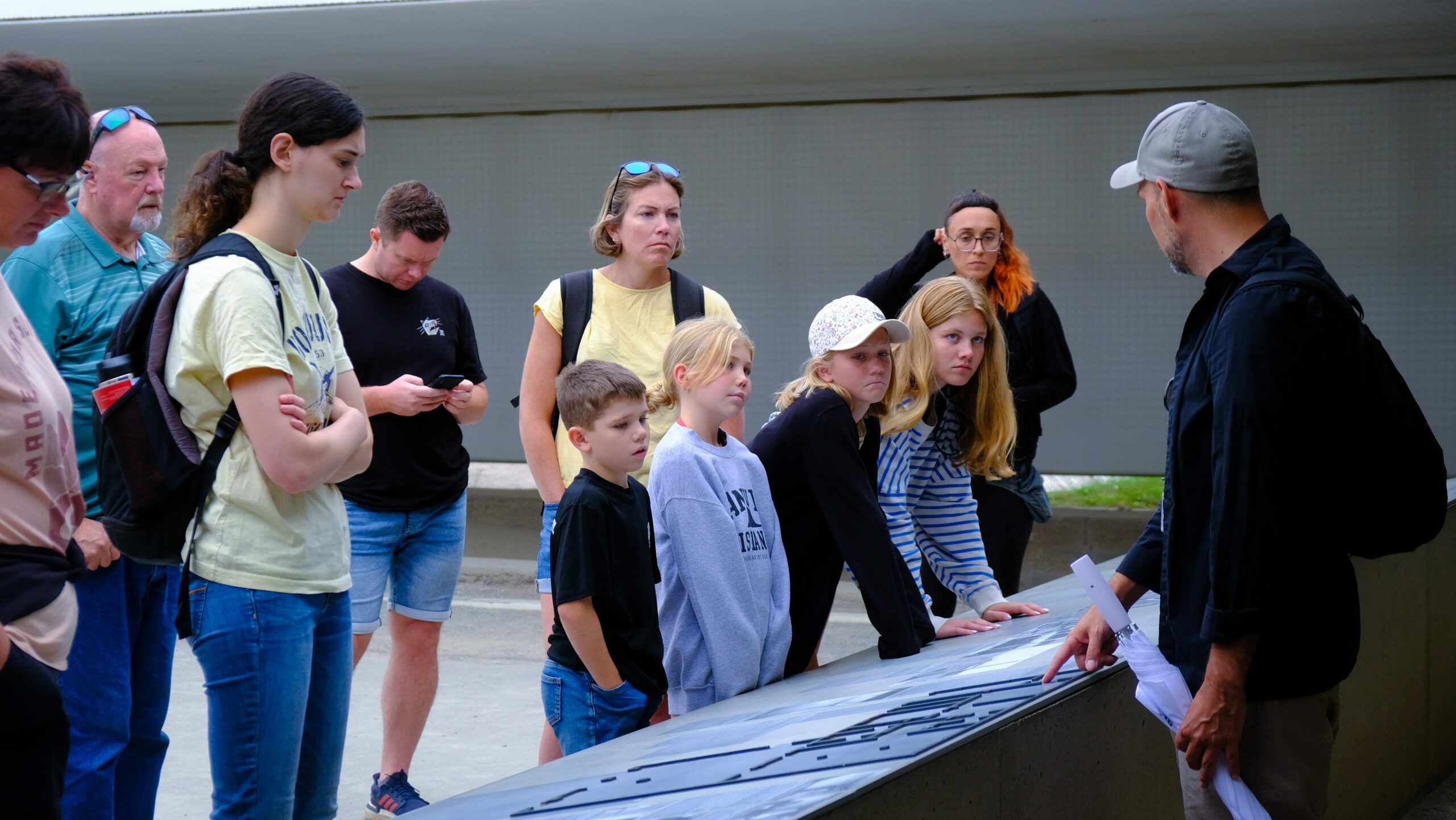
Visiting Sachsenhausen is a serious and emotional experience. Guided tours provide detailed history, including:
The camp’s origins
Daily life and struggles of prisoners
Medical experiments and atrocities
Stories of liberation and survival
Visitors are reminded to approach the site with respect and reflection. Sachsenhausen continues to teach us about the dangers of prejudice, hatred, and the importance of human rights.
Why the Opening of Sachsenhausen Concentration Camp Matters
The camp was not just a prison; it was a symbol of terror and oppression. The opening of Sachsenhausen Concentration Camp allowed the Nazi regime to:
Train SS officers for other camps
Enforce control over political opponents
Conduct inhumane experiments
Exploit forced labor for the war effort
Understanding its history helps ensure that such atrocities are never repeated. Sachsenhausen serves as a reminder of the human capacity for cruelty and the importance of remembering history.
Final Thought
The opening of Sachsenhausen Concentration Camp was a key moment in Nazi Germany’s system of oppression. From its origins to the horrors experienced inside, the camp is a stark reminder of human suffering and resilience.
Visiting today is both educational and emotional. It encourages reflection on the past and the responsibility to protect human rights in the present.