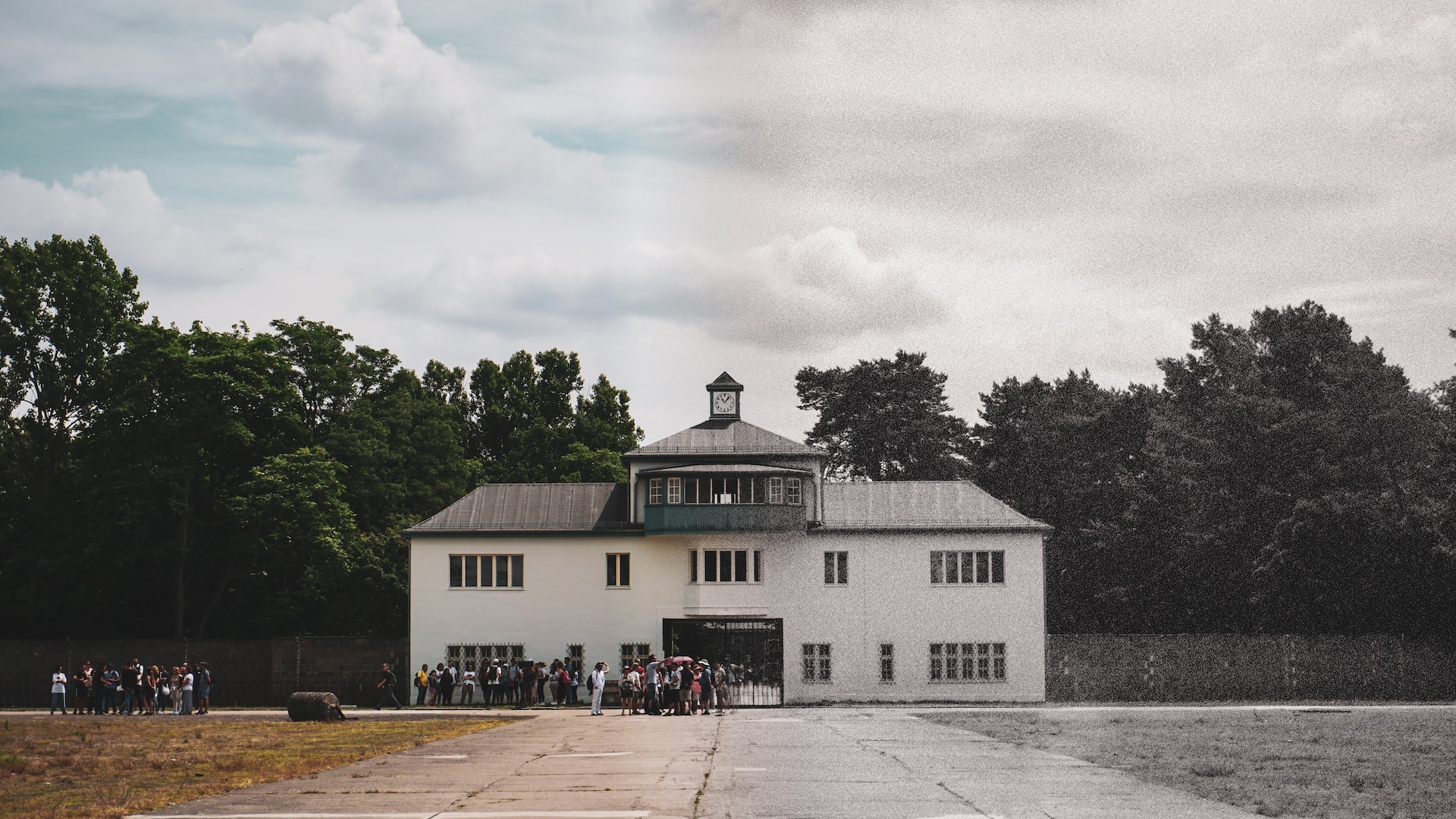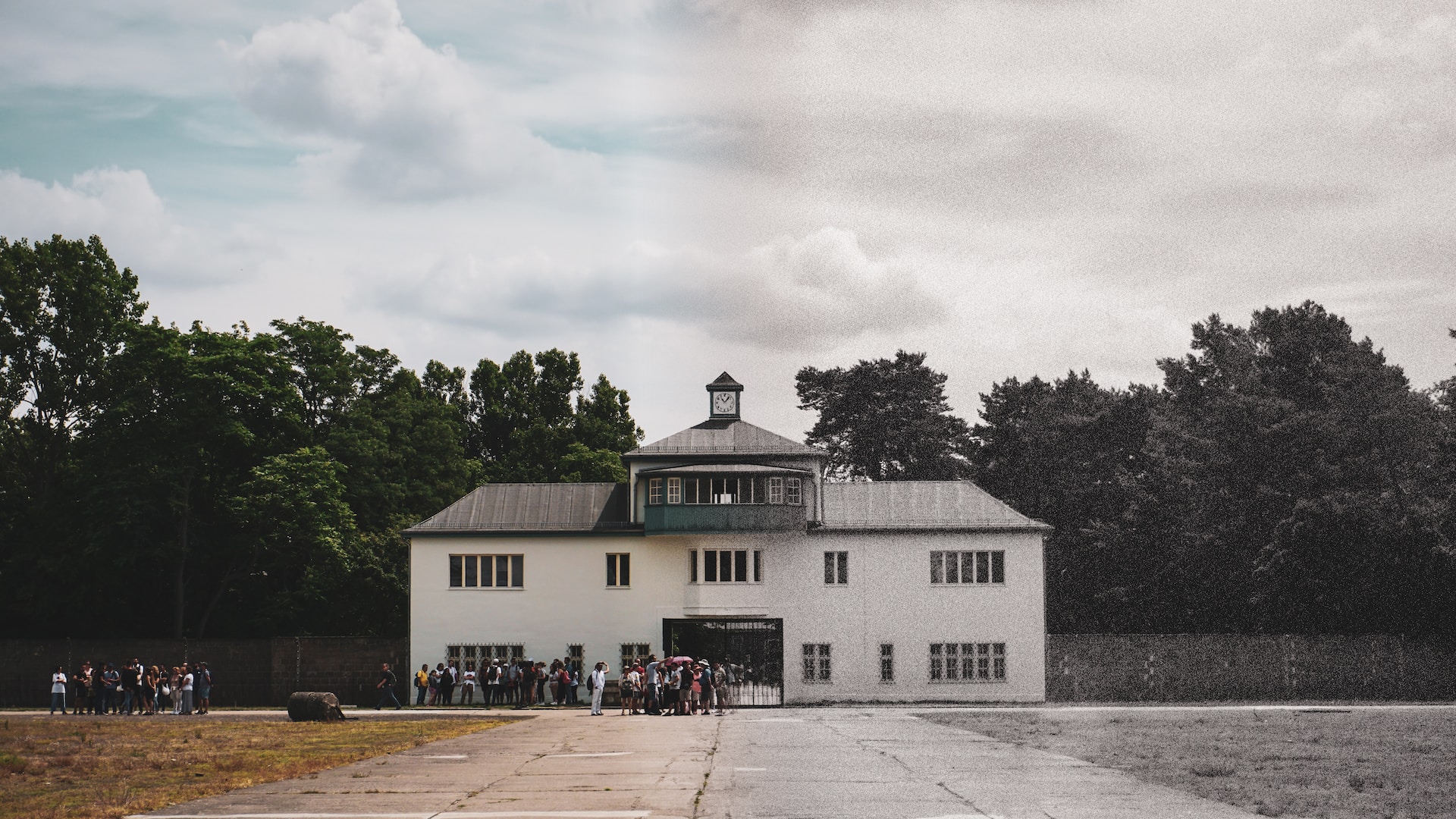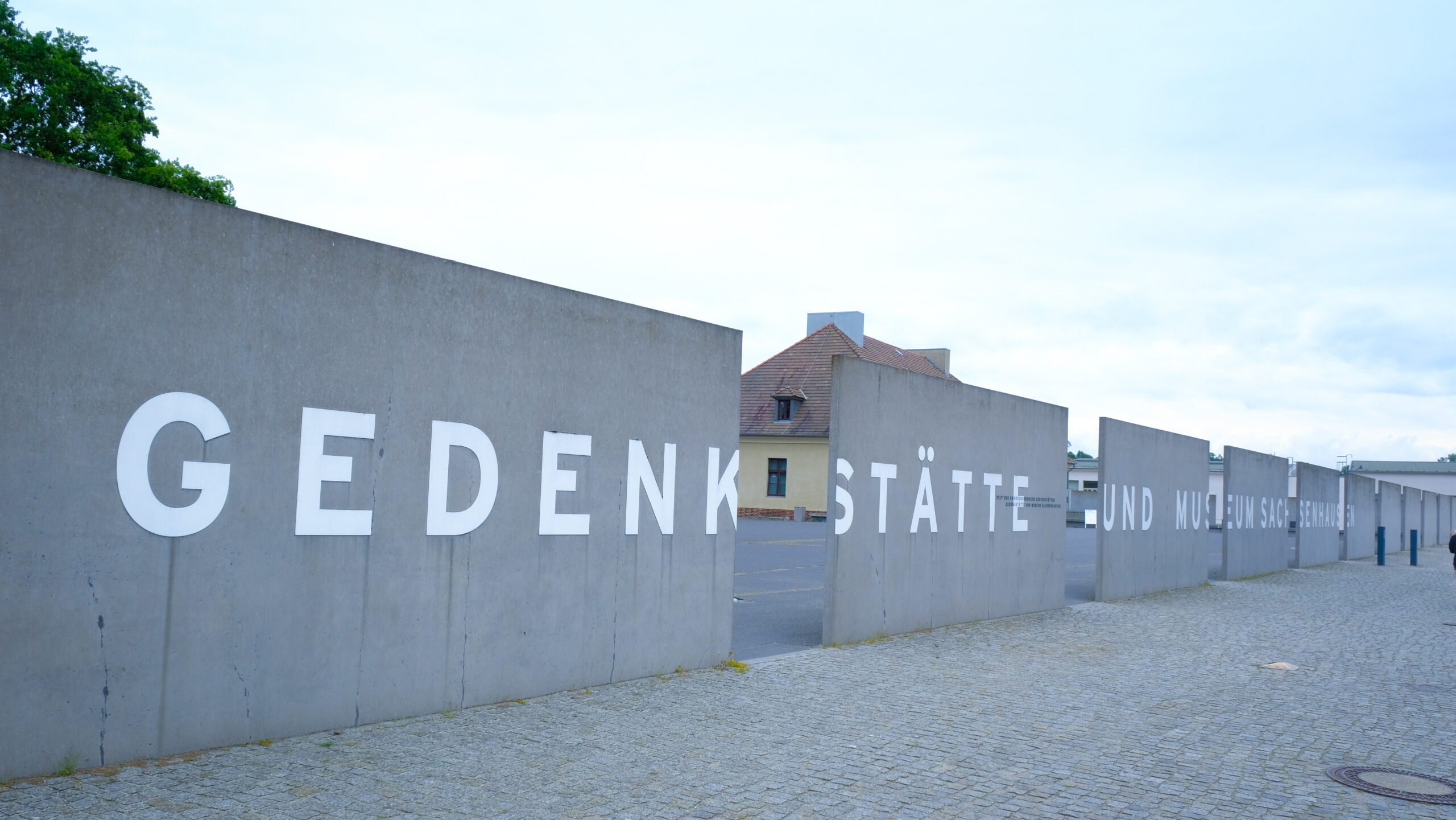
Sachsenhausen is a place with a very dark past. It stands in Oranienburg, north of Berlin. During World War II, this camp became a place of fear and pain for many people. Today, it is a memorial site where visitors learn about the Sachsenhausen significance in World War II and honor the victims.
This guide will help you understand the story of this camp in simple words. The history is sad, but it is important. It shows how hate can destroy lives and why we must protect human rights.
Historical Background and Early Construction
Sachsenhausen, was constructed in 1936 by SS with the guidance of Heinrich Himmler. It was used as a prototype of the remaining concentration camps that were to be built by the Nazis in future. This camp was well located close to the capital city Berlin this made it rather easy for the transport of prisoners.
This camp was divided into several areas meaning complexes which comprised of prison, barracks and administrative camps. It had electric barbed wire hurdles, watch towers, which made it impossible for anyone to try to escape from the camp.
Daily Conditions and Life Inside Sachsenhausen
Living conditions in the camp at Sachsenhausen were horrific line prisoners of Germany were exposed to hard labour, starvation, and severe physical combat. By any means of force some prisoners died from the tiredness, deficiency of food, or sickness. It also provided education for SS guards to be cruel and inhumane to the prisoners they are controlling.
Groups Targeted and Persecuted at Sachsenhausen
Sachsenhausen was principal for the imprisonment of political opponents with other groups targeted for extermination included Jews homosexuals, Roma and Soviet POWs. However much the war went on the camp had to be expanded to be able to hold more and more prisoners with different their background.
Inhumane Medical Experiments
Like any other concentration camp, Sachsenhausen also helped the Nazi doctors to indulge in their sickening medical experiments. That is why these experiments were conducted: to see who could endure it the most. They also aimed to examine whether blacks and whites reacted differently and to invent new techniques of tormenting the prisoners.
This camp prisoners exposed them to very low temperatures, deadly diseases, surgery on prisoners without the use of any anesthetic among other inhuman treatments. Such experiments led to the severe injures, disabilities or even the death of the victims almost in all of the cases.
Resistance and Liberation
Nevertheless, there were some underground movement formed among the hist performers by some prisoners inside the camp due to constant murders. They provided the Resistance with codes and developed ‘civilian’ industries. These industries produced arms for the Norwegian Underground and sabotaged Nazi resources. However, the majority of those who resisted suffered a grave penalty, including death penalty.
Finally in April 1945 Sachsenhausen was liberated by Soviets. The camp was liberated, bringing an end to its reign of terror. This was followed by investigations into the war crimes and the prosecution of those responsible.
Memorial and Remembrance
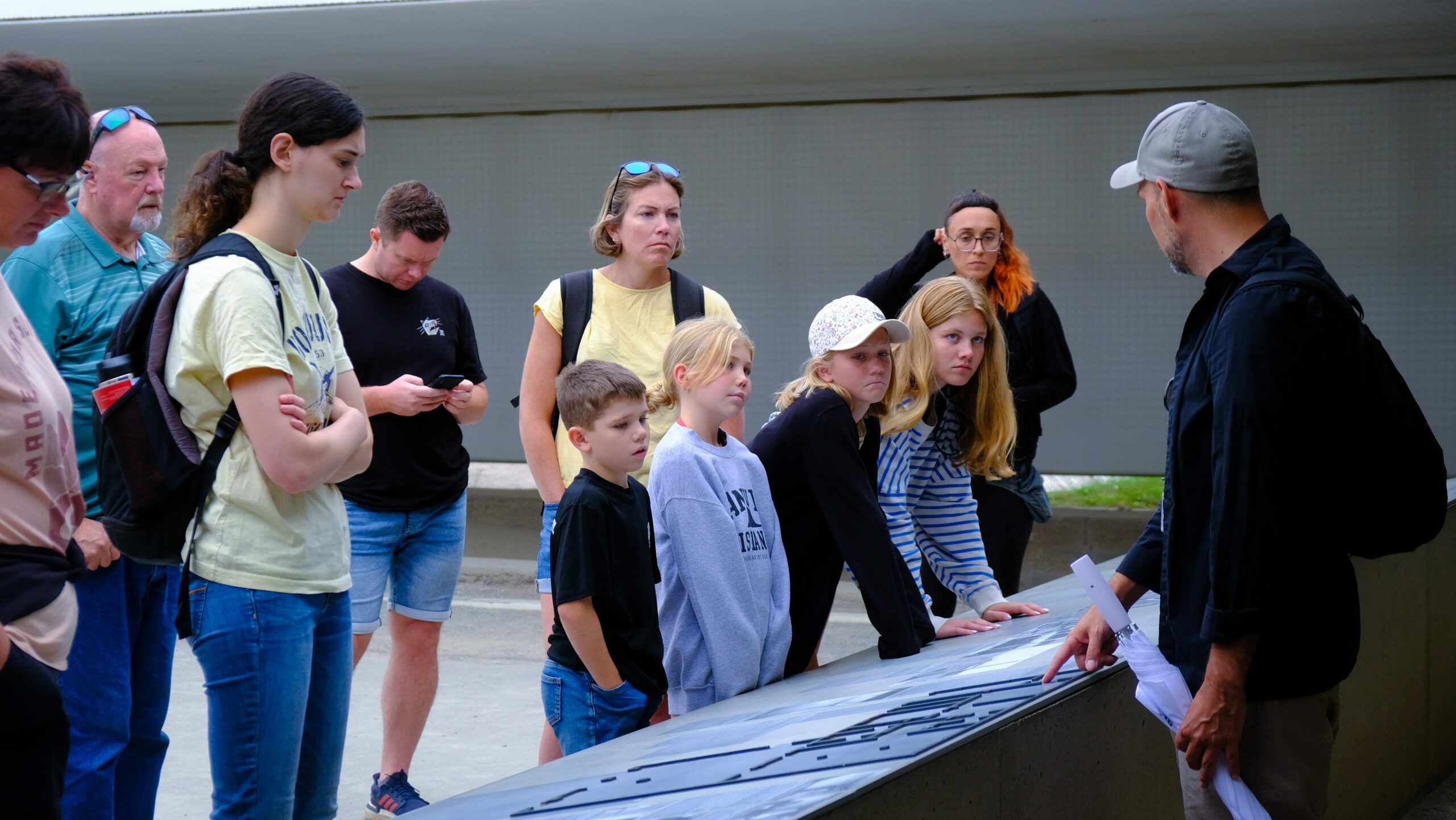
Currently, Sachsenhausen is an ordeal and a mausoleum for the victims and a museum for people to learn the hard truth of the Holocaust. Tours, exhibitions, and structures have been preserved at the camp. They provide visitors with a formal and solemn reminder of the atrocities that occurred here.
The memorial also serves the purpose of calling people to remember this terrible experience. It encourages ongoing discussions about human rights and equality.
Visiting Sachsenhausen
When planning to visit Sachsenhausen certain etiquette should be adopted and laws governing visitation should be followed. Note that Sachsenhausen is an important site for concentration and memorial. Guide tour is an effective way to deepen the understanding of the place, its history and the fates of the victims.
- What you wear should be neat to ensure you show respect to the victims and families in attendance.
- Forbidding selfies or smiling photos at the site, you should use photography only when it is necessary.
- No talking or loud disturbances allowed in quiet zones.
- You should have wondered about the past of this camp, explore the history with the guides to deepen your knowledge.
Here, at Sachsenhausen, you have an opportunity to support further preservation of history and remembrance of the victims.