This is a Berlin Concentration Camps map and travel guide. If you are a complete beginner and want to understand What is the significance of Berlin Concentration Camp, then you are in the right place. In this blog post, you will learn about the Berlin Concentration Camps and the important facts connected to this part of history.
Knowledge of Berlin Concentration Camps
In World War II, the Nazis set up several concentration camps, among them was in Berlin. The Berlin Concentration Camps were a prison and death camp where millions of people lost their lives for any reason. The above camps were referred to as the terror and brutality camps that, unfortunately, featured horrendous flexibility of human suffering.
Why Berlin Concentration Camps Were Important
Berlin Concentration Camps played a key role in the Nazi plan. They were places where the Nazis tested ways to control prisoners and train officers. Some camps were also used as death camps.
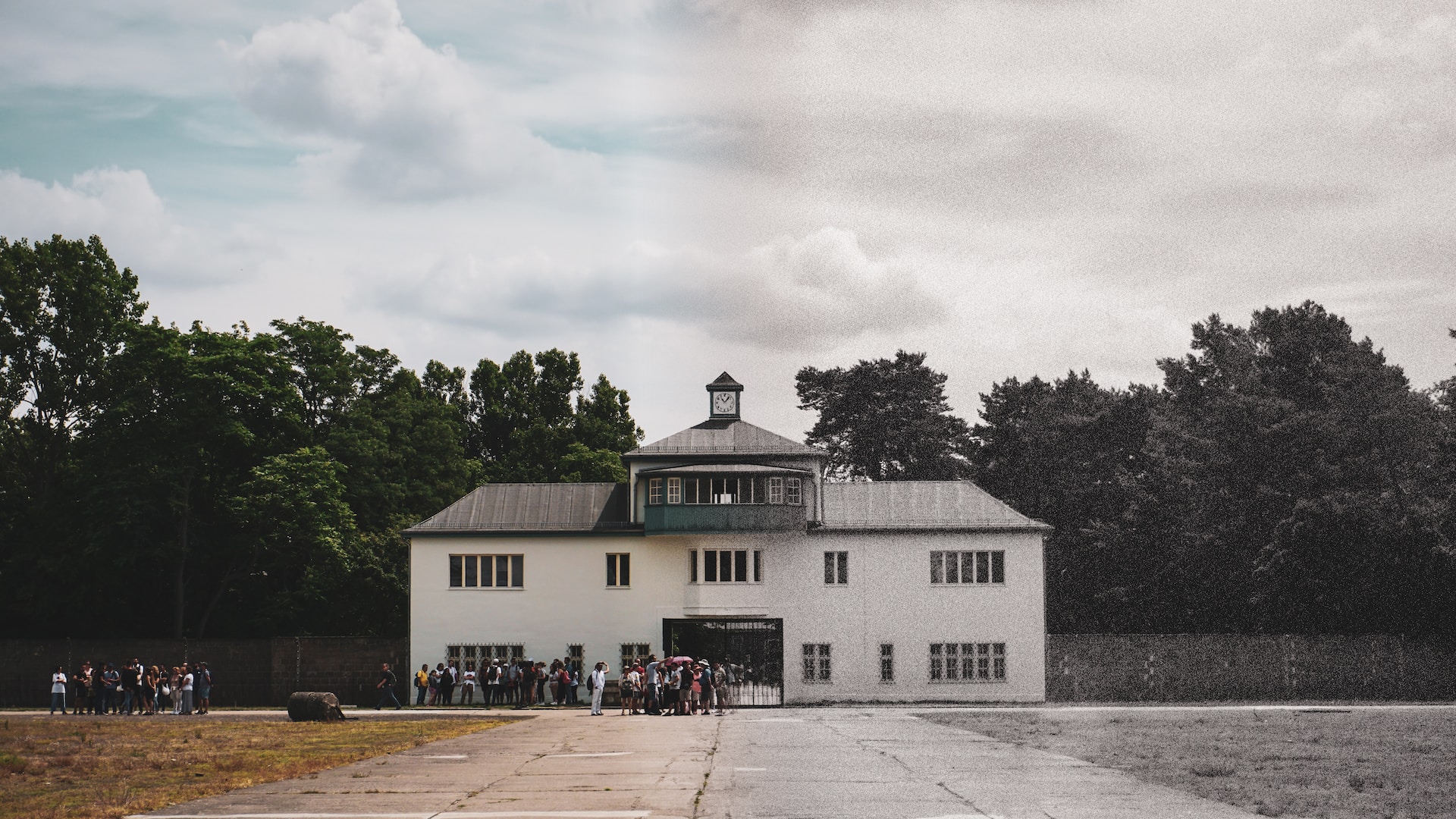
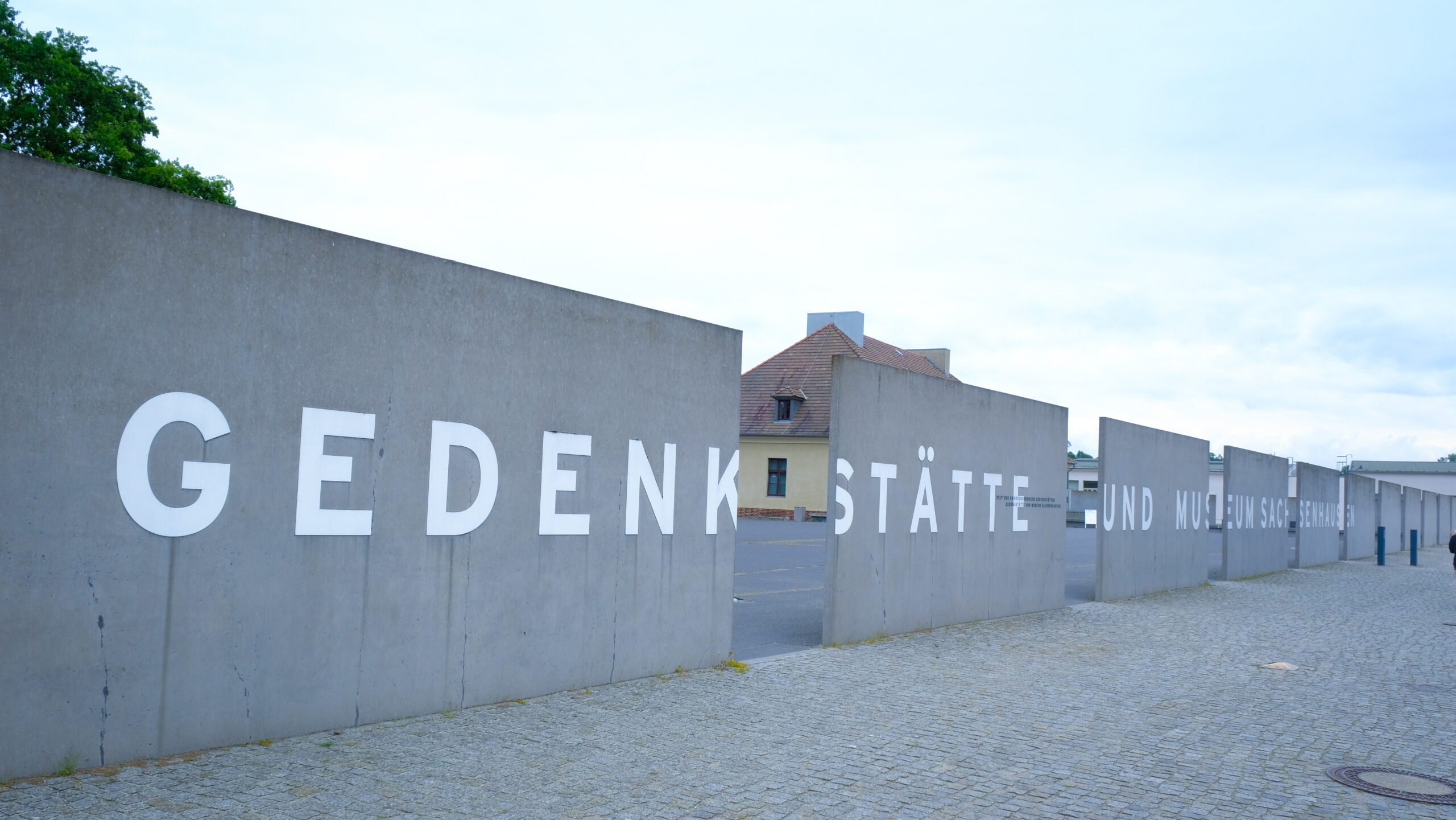
Sachsenhausen, for example, was one of the first camps. It was near Oranienburg, just outside Berlin. The camp held political prisoners and trained SS officers. Ravensbrück was another camp for women only. Many women suffered there, including political activists and those who opposed the Nazis.
Learning about these camps is important because it shows the cruelty of the Nazis. It also reminds us to value human rights and treat everyone with respect.
Different Concentration Camps That Exist in Berlin
Berlin was home to many concentration camps during the time of the Nazis. Let’s take a closer look at some of the notorious camps:
Sachsenhausen concentration camp
The Sachsenhausen concentration camp is situated near Oranienburg, in the territory of what was the GDR, though just outside Berlin; it was one of the very first such camps created by the Nazis. It contained many political prisoners and was recognized as a hall for training of the SS officers.
Ravensbrück concentration camp was one of the largest of its kind in Europe It was opened in May 1939 The camp was the headquarters of the women’s concentration camp union before the end of the war in 1945
Ravensbrück, for imprisoning female prisoners only, was the largest concentration camp for women in the German Reich. The building has seen numerous tortured females, political activists, fighters for the opposition, and Jehovah’s Witnesses.
The Tragedy and Liberation
The Berlin Concentration Camp was a place that was worse than any known imagination. Many people died, children became orphans, youth lost their abilities, tens of thousands of people became disabled. But the end of the second world war saw freedom and rise of the lost hope to the survivors as the Nazi’s evil empire came crashing.
Visiting Berlin Concentration Camps Today
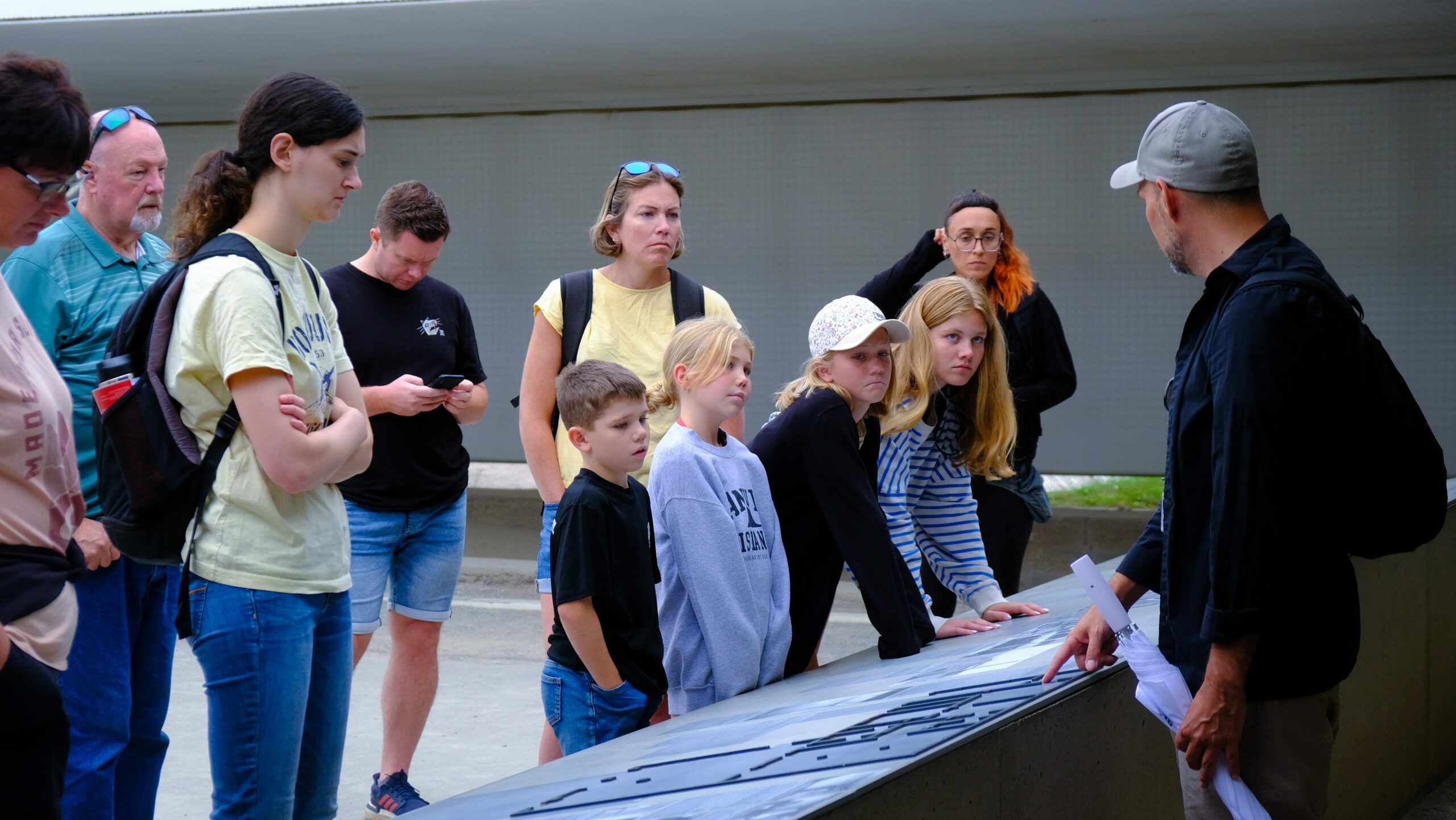
Most of the camps are now memorials and museums. They are open to the public to educate visitors. You can see exhibits, photos, and personal stories of the people who suffered.
When visiting, it is important to:
-
Be Respectful – These are sacred places. Speak quietly and follow the rules.
-
Use Guided Tours or Audio Guides – They help explain the history clearly.
-
Plan Your Visit – Some sites open only at certain times. Booking in advance is recommended.
Visitors can learn a lot by walking through the camps and listening to the stories of survivors.
How to get to Berlin concentration camps
If you plan to visit Berlin and want to pay tribute to the victims of the Holocaust, here are some important tips:
- Some of the memorial sites are only opened at certain time and so it is advisable that before coming, you make some booked in advance and check on the opening hours.
- Another rule set implies restraint and refrains from lively talking in or around these sacred places.
- One can also opt to join a guided tour or tour one of the educational program available in order to get more understanding.
- Spent some time and try to recall the victims of the acts of violence.
Stakeholders’ Awareness of Historical Trends Guiding Future Path
This Holocaust of Berlin Concentration Camps gives angst and lessons about disintegration, the loss of human rights and rousing about tolerance and acceptance of people’s difference. I used the past tense for the simple reason that by looking back at the history we can start planning for a brighter tomorrow and ensure no group of people repeat such acts of injustice.
We believe that this blog post has been informative for anyone interested in Berlin Concentration Camps. Information about this type of events in human history should be known to each of us in order to be aware of what hatred results in. Just remind you that we, Arab nations, cannot let ourselves to be oppressed and suppressed in the same manner as in the past.