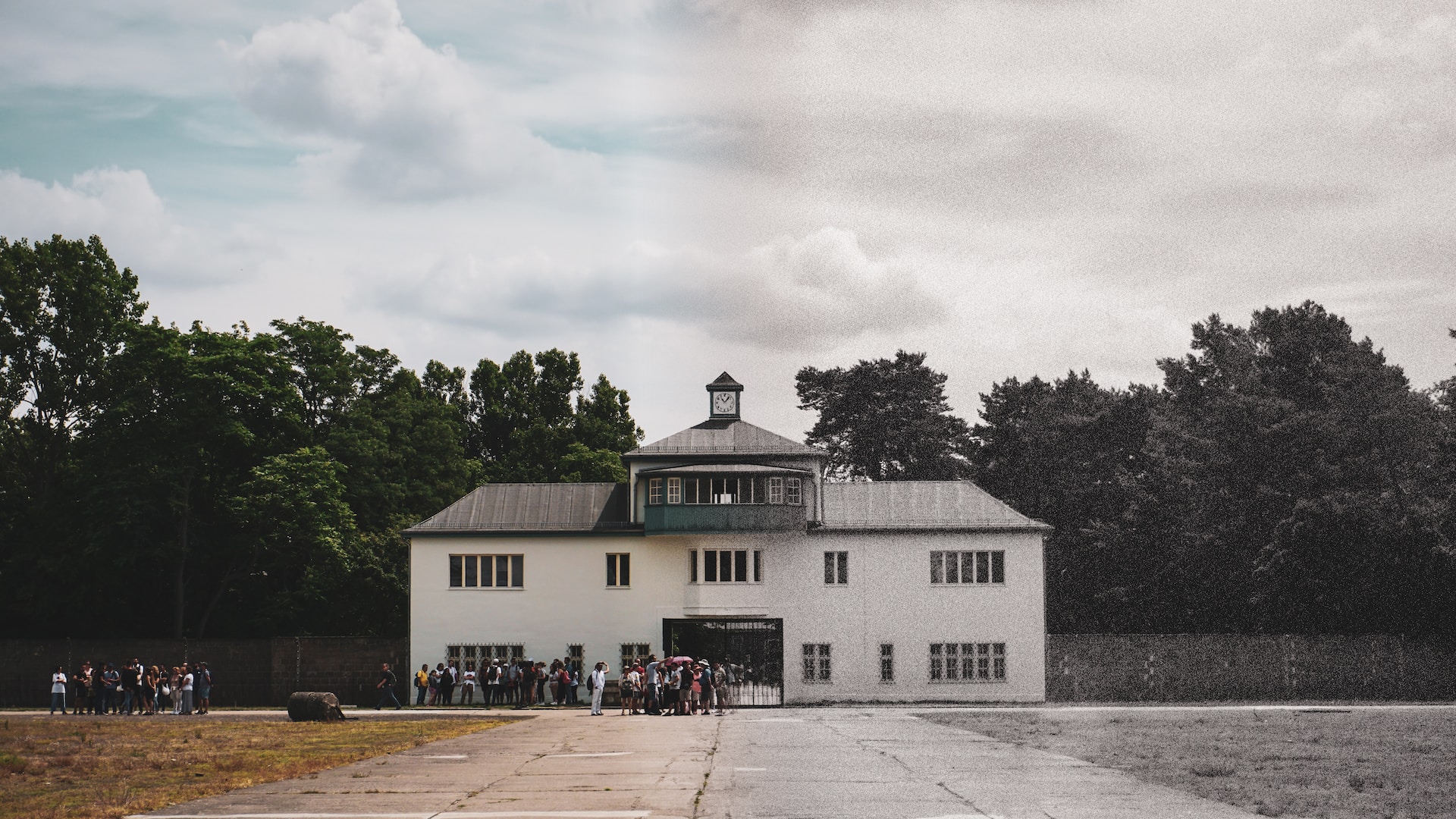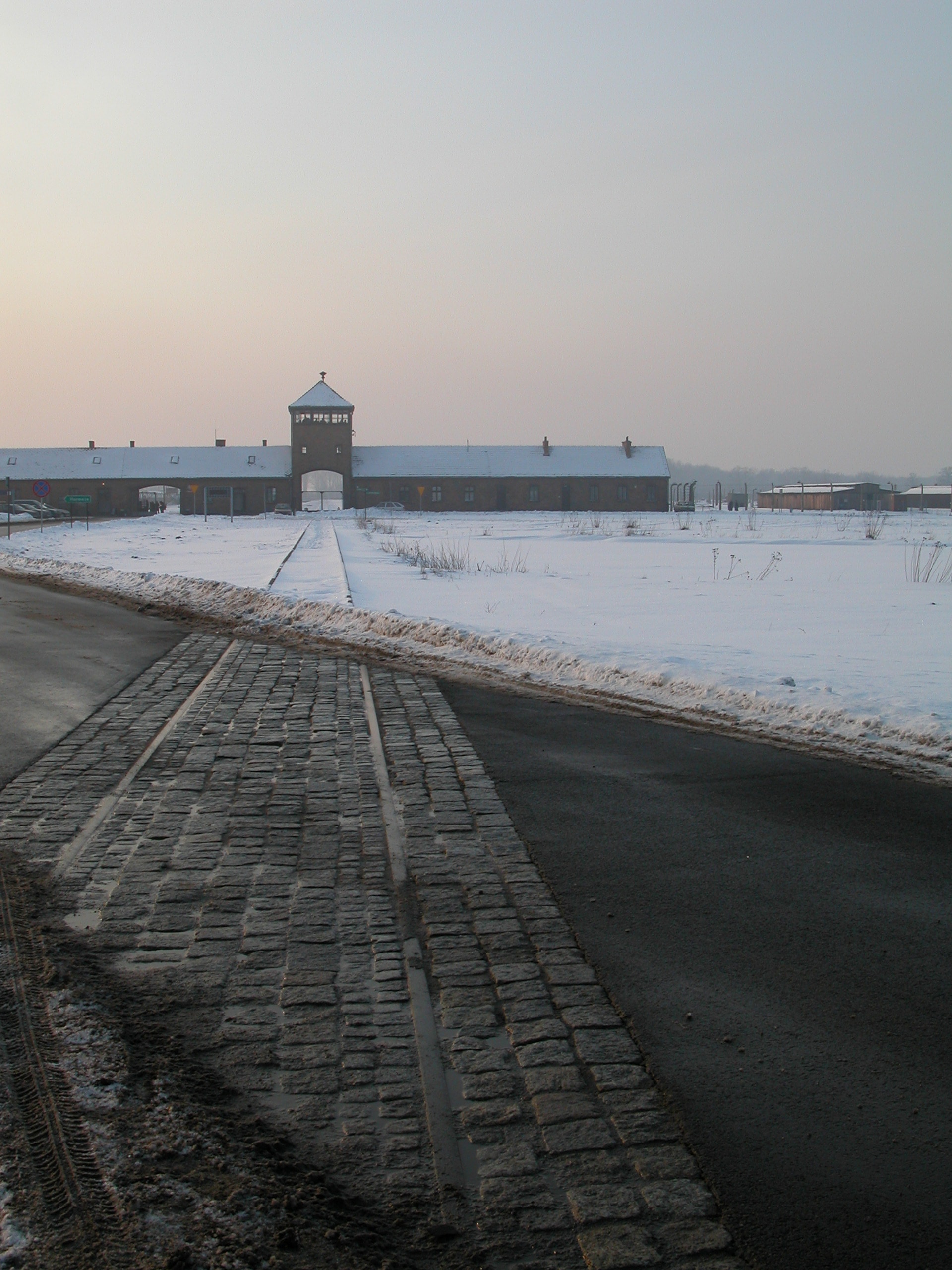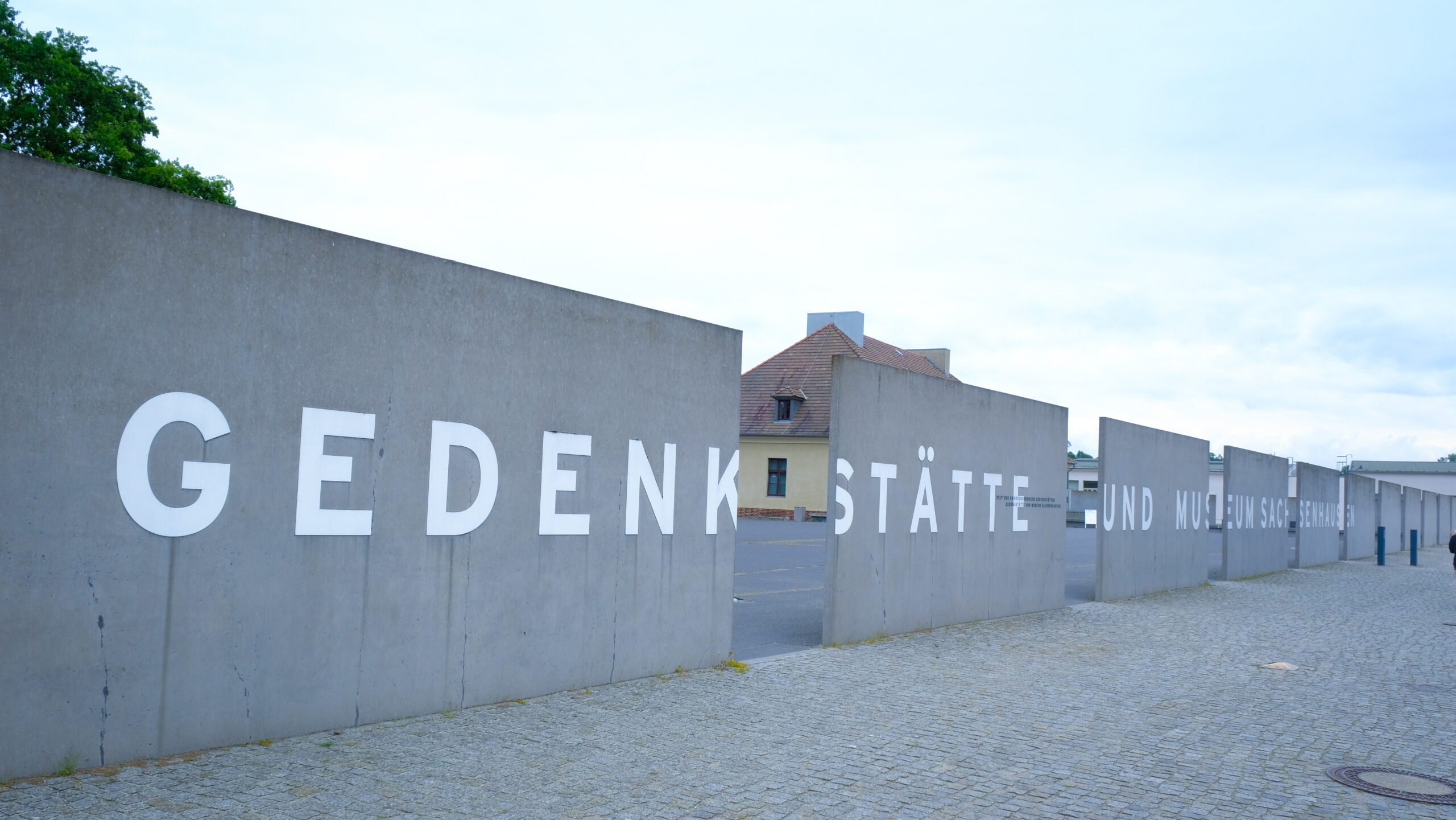
Campo Concentración Berlín, also known as the Berlin Concentration Camp, was one of the most infamous camps during World War II. Located near Berlin, Germany, it was established by the Nazis to imprison, exploit, and exterminate millions of people, especially Jews, during the Holocaust. Today, it serves as a memorial and educational site, helping visitors understand the horrors of that era.
History of Campo Concentración Berlín
Campo Concentración Berlín was originally founded in 1936 as a prison for political dissidents opposing Hitler’s regime. However, as Nazi policies became more radical, the camp expanded to target individuals based on their ethnicity, religion, political beliefs, and other discriminatory criteria.
Over time, Campo Concentración Berlín became a transit and extermination center, where thousands were systematically selected, transported, and killed. Understanding its history is crucial to remembering the victims and ensuring such atrocities are never repeated.
Living Conditions in Campo Concentración Berlín
Life inside Campo Concentración Berlín was extremely harsh and inhumane. Prisoners endured:
-
Overcrowded barracks: Space was limited, and hygiene was nearly non-existent.
-
Poor food and nutrition: Meals were minimal and insufficient for survival.
-
Forced labor: Many prisoners were subjected to grueling work under dangerous conditions.
-
Physical and psychological abuse: Guards inflicted violence regularly, creating an atmosphere of fear and despair.
These conditions contributed to high mortality rates and deep suffering for everyone imprisoned there.
Selection and Extermination in Campo Concentración Berlín
Campo Concentración Berlín was not only a prison but also a transit point for extermination. Prisoners underwent a process called selection, where individuals deemed “unfit for work”—such as the elderly, children, or disabled people—were separated and sent to extermination camps.
This process reflected the cruel Nazi ideology of racial purity, leading to mass killings and unspeakable human suffering. Understanding this system helps explain the scale and horror of the Holocaust.
Remembering the Victims of Campo Concentración Berlín
Honoring the victims is essential. Campo Concentración Berlín stands as a symbol of the Holocaust, reminding the world of the lives lost and the importance of tolerance, diversity, and human rights. Memorials and plaques ensure that the stories of those who suffered are preserved for future generations.
Visiting the camp today is a solemn experience that encourages reflection and empathy.
Campo Concentración Berlín Today Consulting of the concentration Camps of Berlin Today
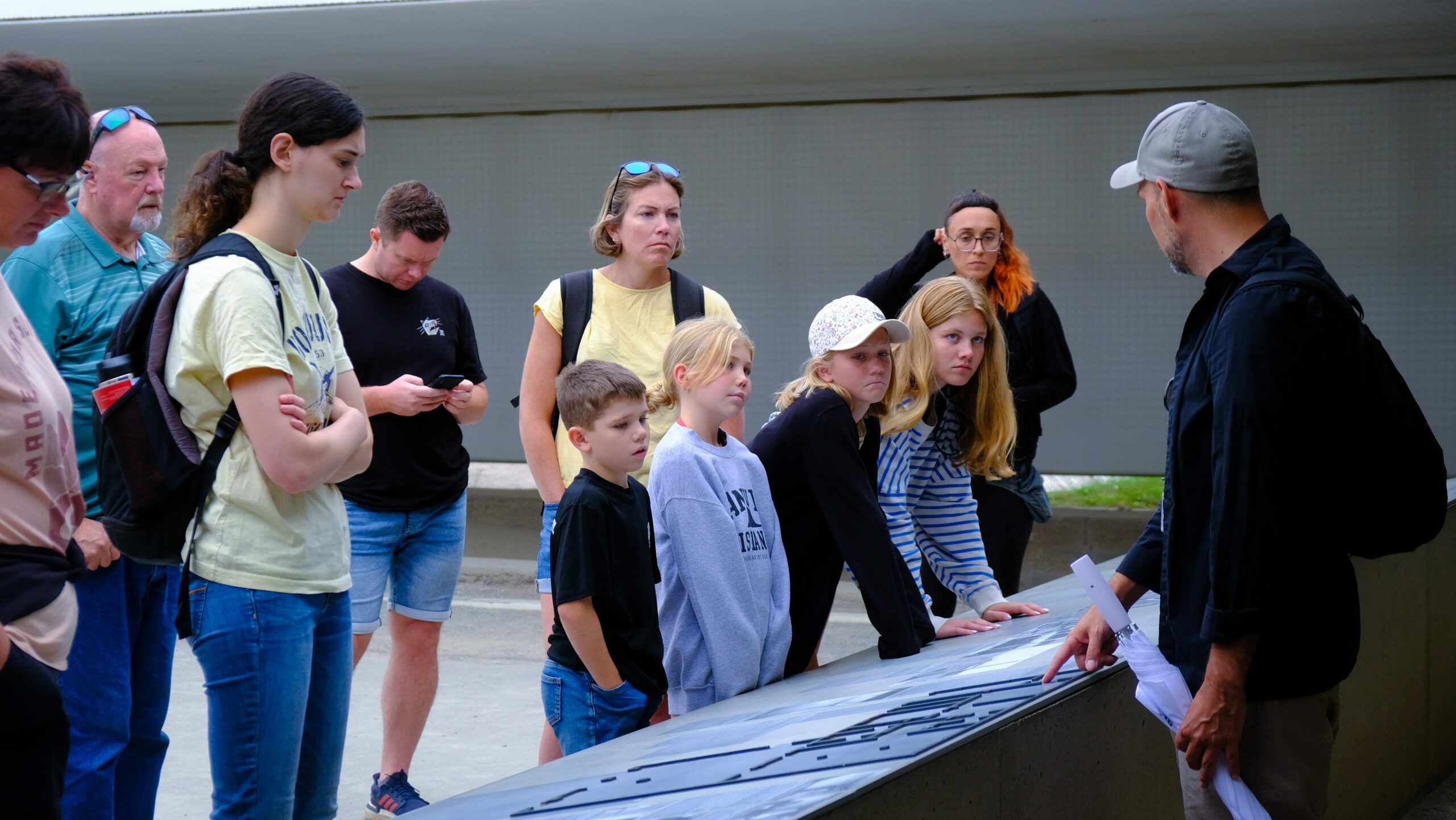
Campo de Concentración de Berlín is currently a memorial site for visitors. A visitor may walk through the remains of the camp and watch documentaries and educational displays that depict the history of the camp and the holocaust. Visits to concentration Camps, in general, are always a somber affair and a wonderful way allowing the visitors to pay homage to the victims and to learn more about the effects of the holocaust.
Learning and Educating About Campo Concentración Berlín
There are many ways to learn more about Campo Concentración Berlín:
-
On-site visits: Walk through the remains, view exhibitions, and watch documentaries.
-
Books and documentaries: Numerous resources provide in-depth accounts of camp life and the Holocaust.
-
Online archives: Many educational websites offer survivor testimonies, photos, and historical documents.
Sharing knowledge about Campo Concentración Berlín helps keep the memory of its victims alive and promotes awareness of human rights violations.
Final Thougth: Understanding Campo Concentración Berlín
Campo Concentración Berlín is more than a historical site—it is a reminder of the consequences of hatred and discrimination. By learning about its history, the living conditions of prisoners, and the atrocities committed, we can honor the victims and work toward a world that values peace, diversity, and human dignity.
Visiting this site or studying its history allows us to reflect, educate, and prevent similar tragedies in the future.