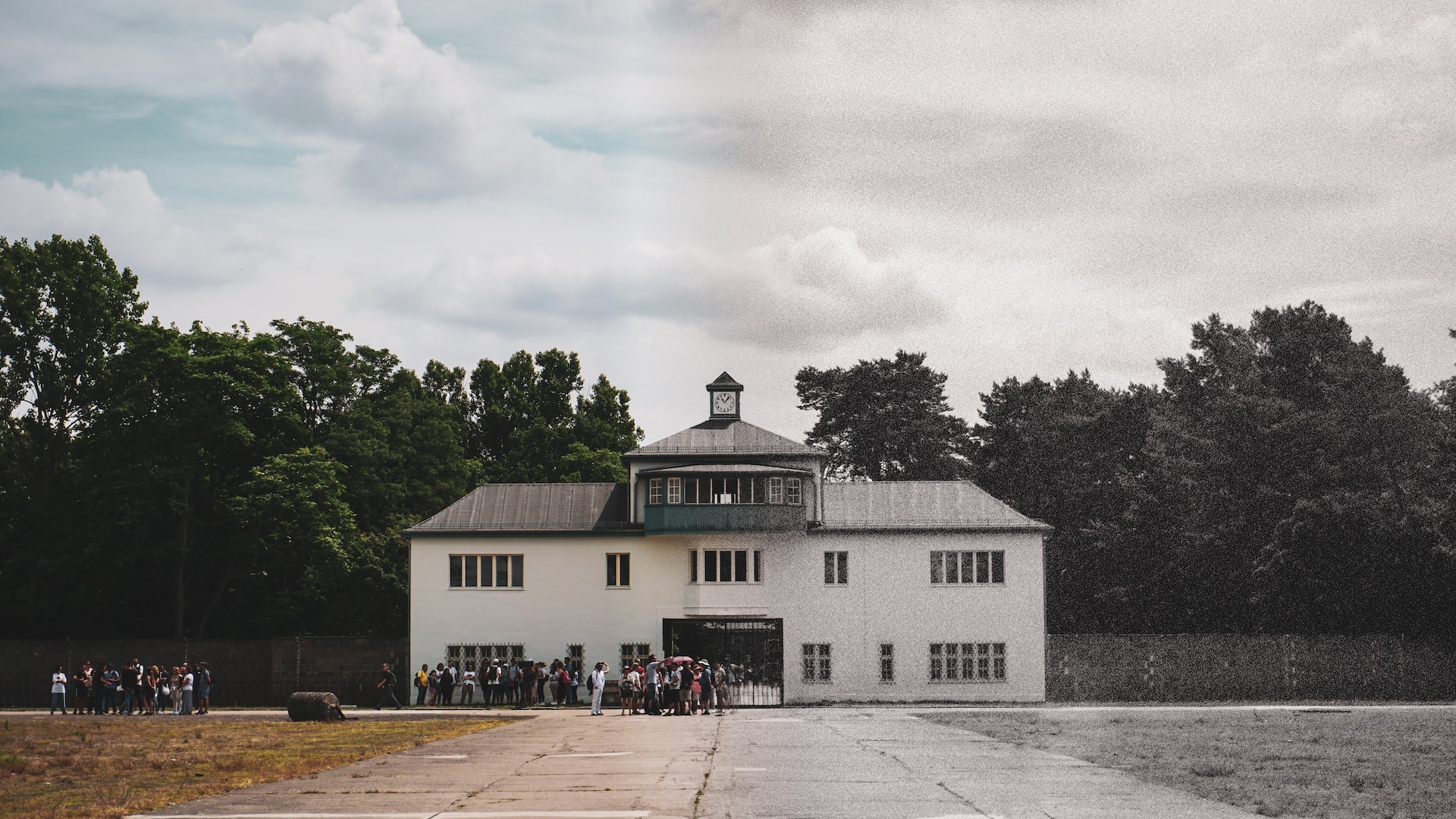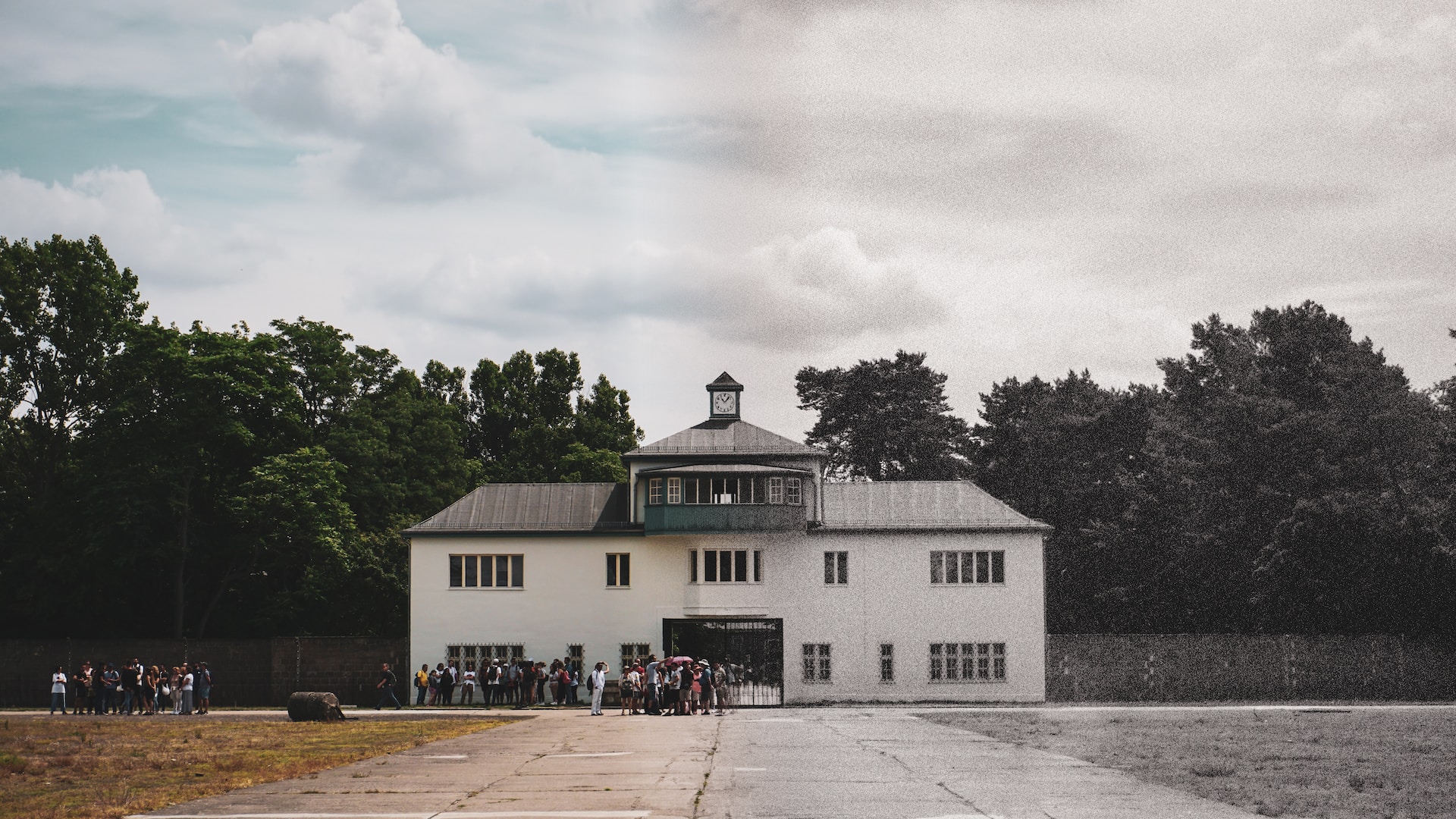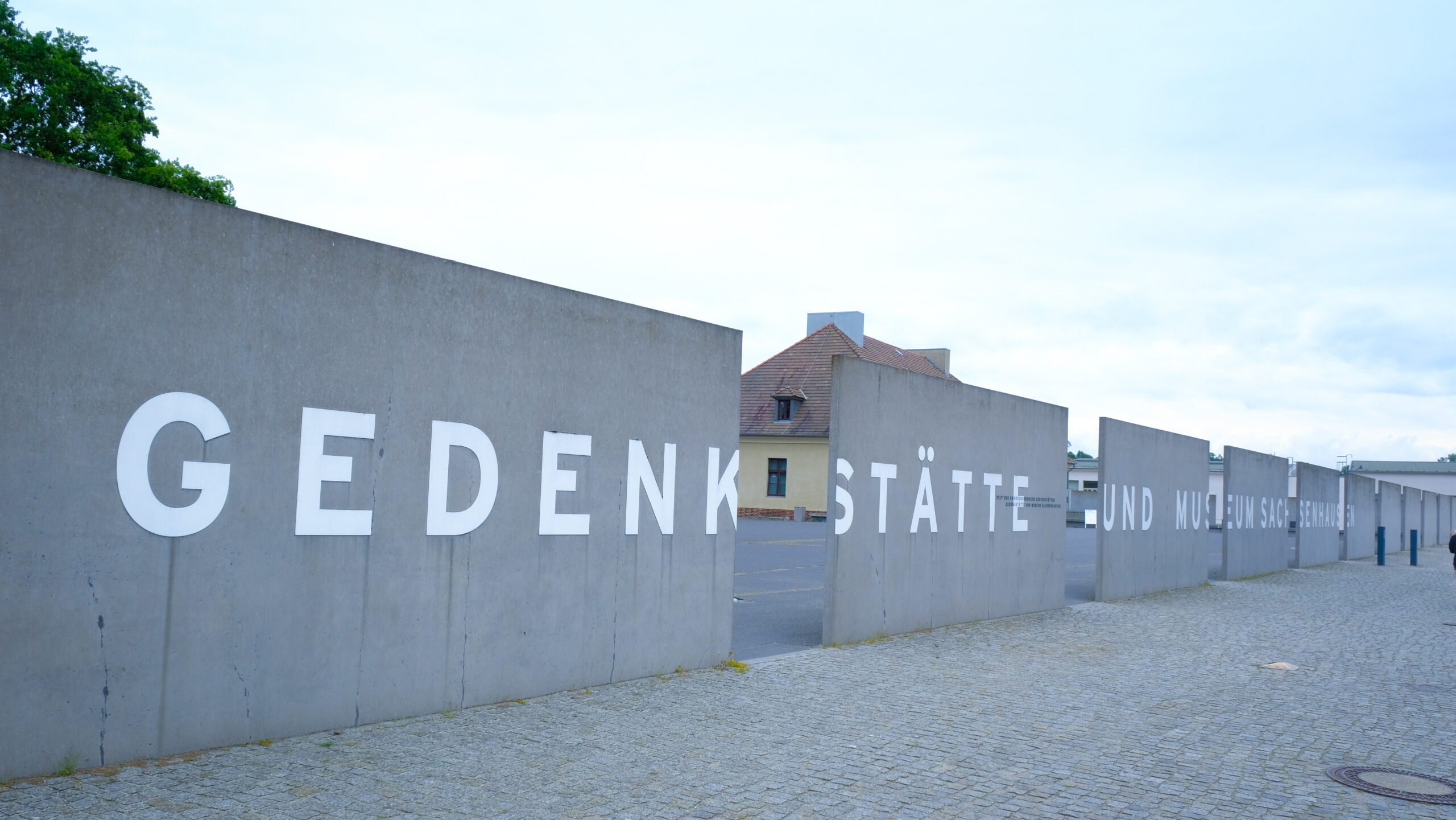
A campo de concentración, translated from Spanish as a concentration camp, is a term associated with a dark chapter in human history. It refers to a place where large numbers of people, primarily prisoners, are detained and confined under harsh and inhumane conditions. These camps gained prominence during World War II and were used extensively by Nazi Germany.
Purpose and Operations of a Campo de Concentración
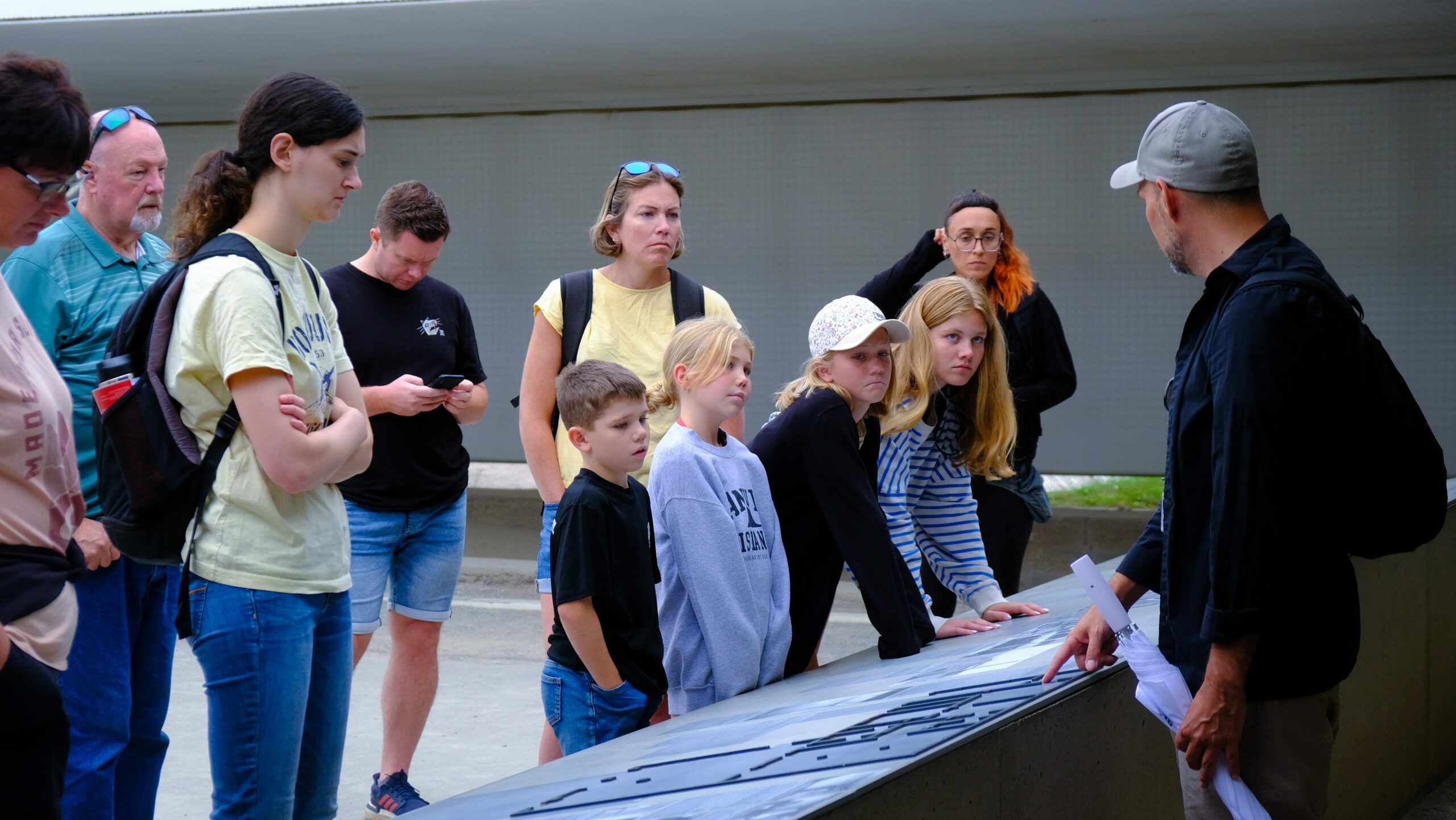
Even though many people were kept in concentration camps for various motives, the main idea was to persecute and simulate certain people who were considered enemies by the Nazis, including Jews, Gypsies gay men and women, political opponents and other persons who the Nazi did not like. These prisoners were given hard labor, electric shock, hunger subjugation, vivisection, slave labor, abuse both physically and mentally. Book now Sachsenhausen Memorial And Museum Tour.
Living conditions were deplorable jam-packed in those concentration camps and had poor ac cess to food, water, and medicine. Such conditions, together with the inhuman treatment, led to the death of millions of people.
Kinds of Campo de Concentración
There were different types of concentration camps established by the Nazis, each serving a specific purpose within their ideological framework:
Extermination camps: These were exclusively for outright extermination through gassing and crematoria for the destruction of the deceased. Auschwitz-Birkenau is one of such landmarks:
Labor camps: The camps also used the prisoners for workforce to labor for the Nazis in carrying out their war business and supplying for their companies.
Transit camps: Each of them was little more than a transit camp through which inmates were herded, before being sent to other concentration or extermination camps.
Concentration camps: It can mainly be used to describe the places which prisoners were detained for a long time, where they were forced to work as hard as they could and often die.
InMemory of the Victims and the role of Education
One should not forget the victims and the actions that took place in these camps in order to prevent such crises from ever happening again in mankind’s history. Education is very important in the study of the effects, causes and outcomes of concentration camps on persons and nations.
Watching movies, reading books and documentaries, and visiting museums and memorials can help one understand this period. Listening to survivors’ narratives further highlights the importance of these events in world history. So, trying our best one could use historical examples to promote more understanding and less intolerance in the society.
Final Advice
A Campo de Concentración was a place where people were forced to live in terrible conditions. Millions were hurt and many died. These camps were part of World War II and the Holocaust. We must never forget them. Learning this history helps us protect human rights. It reminds us to stand against hatred. When we learn from the past, we help build a kinder future.