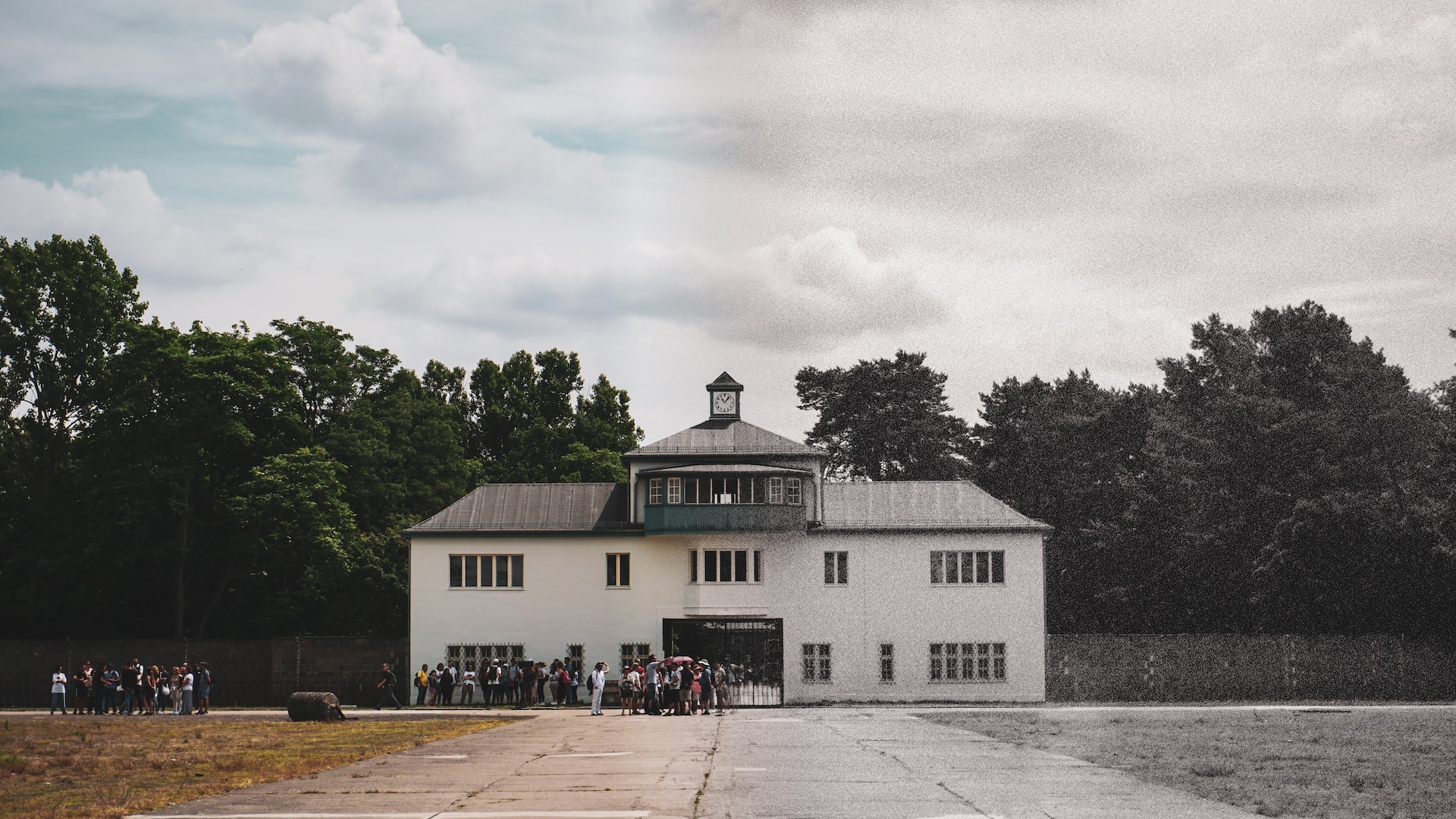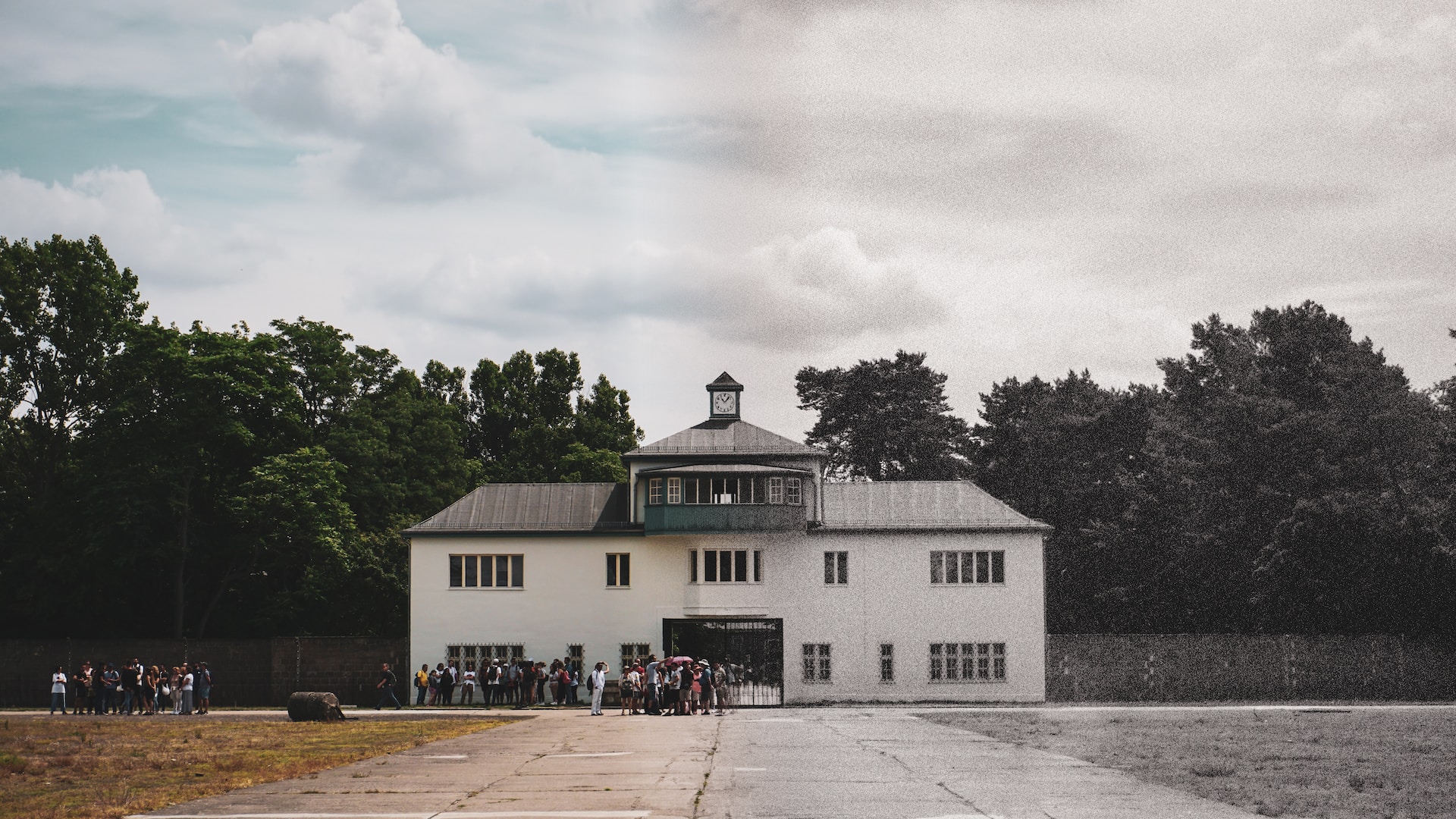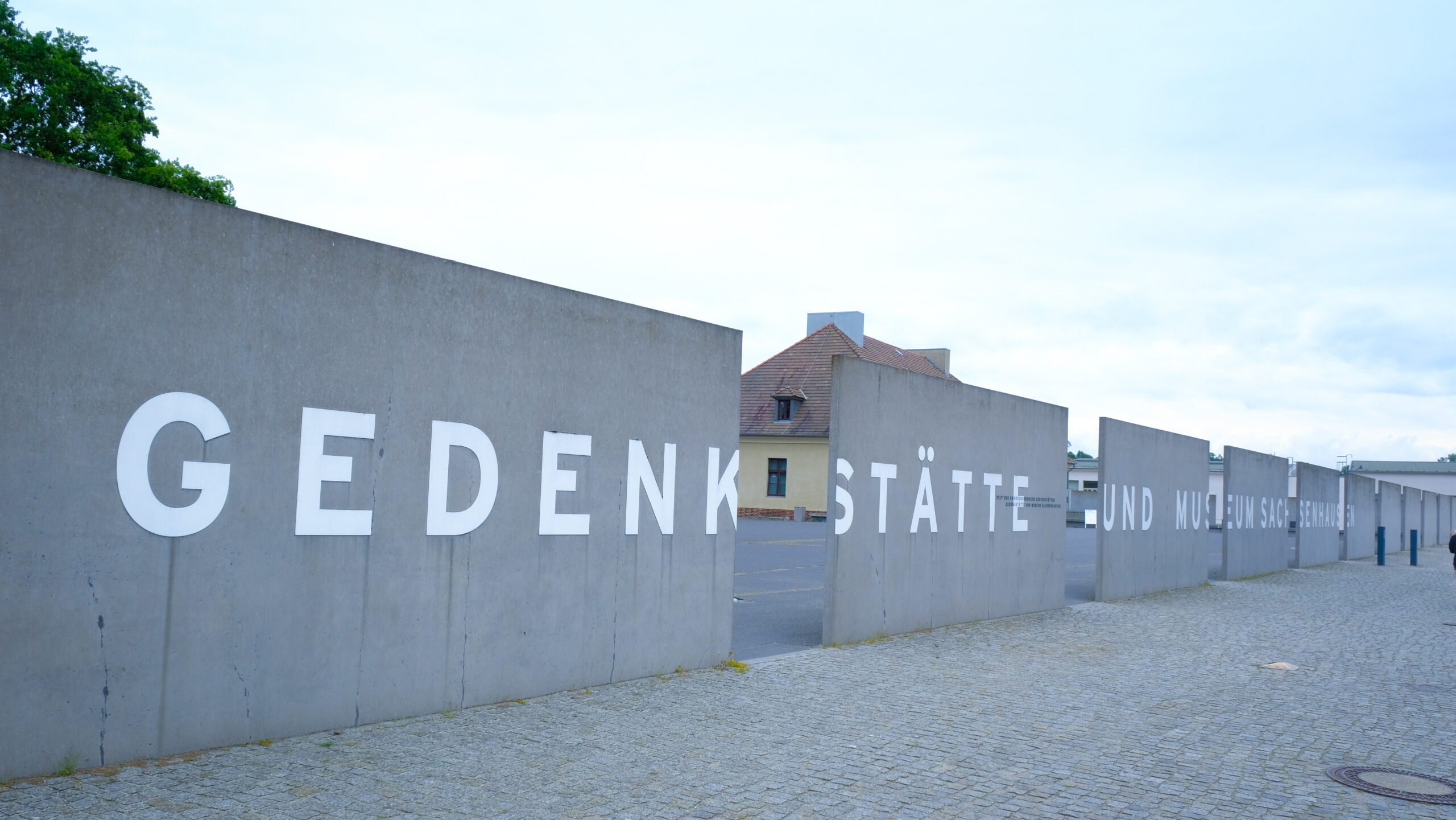
Germany is a country known for its rich culture, art, and scenic beauty. Yet, it also carries a history that must never be forgotten. Visiting a concentration camp is a powerful experience—one that offers a deep reminder of the pain, loss, and lessons of the past. In this blog post, we’ll look at what you can expect during a concentration camp tour in Germany and why it’s an experience worth taking with respect and reflection.
How to Choose the Right Tour in Germany
When planning your concentration camp tour, it’s important to choose a responsible and informative tour company. Look for operators who provide experienced guides, maintain small groups for better understanding, and show respect to the sites you’ll visit. Reading reviews or feedback from past visitors can help you find tours that handle such sensitive history with the care it deserves.
Why a Knowledgeable Guide Matters
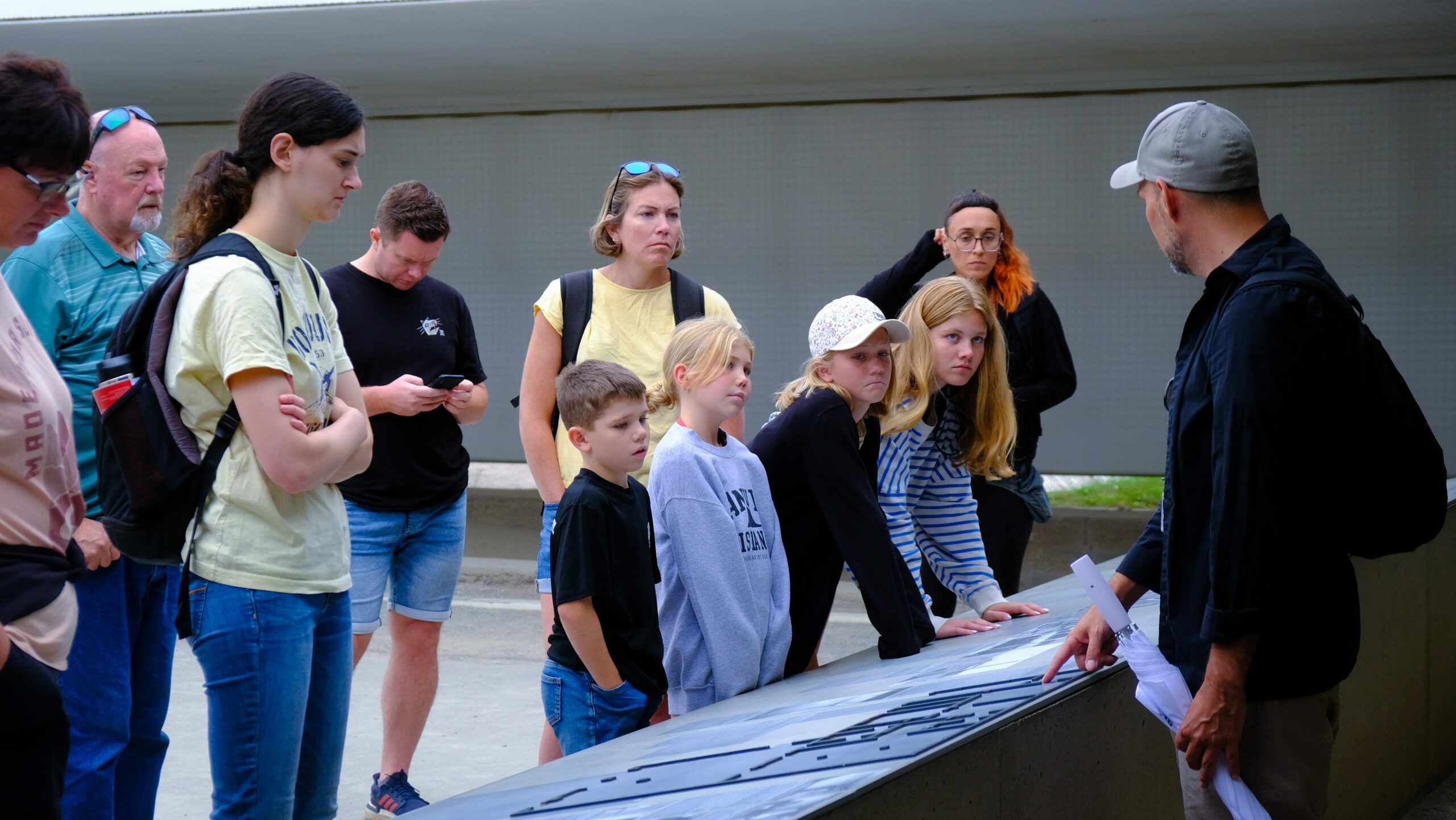
A professional guide adds deep value to your visit. They share personal stories, historical facts, and emotional insights that bring the site to life. Guides also help visitors understand the meaning behind each area of the camp and answer important questions. Remember to follow their instructions respectfully—these sites represent one of the darkest chapters in human history.
Visiting the Camp
When people get to the camp, they feel an atmosphere that tells them that the holocaust was a terrible event in the lives of Jewish people. Here are some key aspects to consider:
Exploring the Museum Exhibits and Stories
Most concentration camps include museums that share the stories of victims and survivors. These exhibits feature artifacts, letters, photographs, and documents that help visitors understand what happened. Taking time to read, observe, and reflect allows you to connect more deeply with history and its lessons.
Paying Respect at the Memorial Sites
Many camps have dedicated memorial areas where visitors can honor those who suffered and died. You may see sculptures, plaques, or symbolic monuments created to preserve their memory. While visiting, it’s important to remain quiet and respectful, recognizing the millions of lives that were lost.
Joining an Educational Walking Tour
Walking tours often lead visitors through key parts of the camp—barracks, courtyards, execution sites, and crematoriums. Each step provides a glimpse of the daily realities prisoners endured. Listening to the guide’s explanations during these tours helps you imagine the human experiences behind the walls and gates.
Emotions and Reflections After the Visit
A concentration camp visit can be emotionally challenging. It’s natural to feel sadness, shock, or deep reflection. Take some quiet time afterward to process what you’ve learned. Talking with others who joined the tour can also help you share thoughts and emotions in a meaningful way.
Final Thoughts on Your Visit
A concentration camp tour in Germany is far more than a historical excursion—it’s a journey through memory, humanity, and empathy. Choosing the right tour company, listening to your guide, and approaching each site with respect can turn your visit into an unforgettable experience. It reminds us to value peace and ensure such tragedies never happen again.