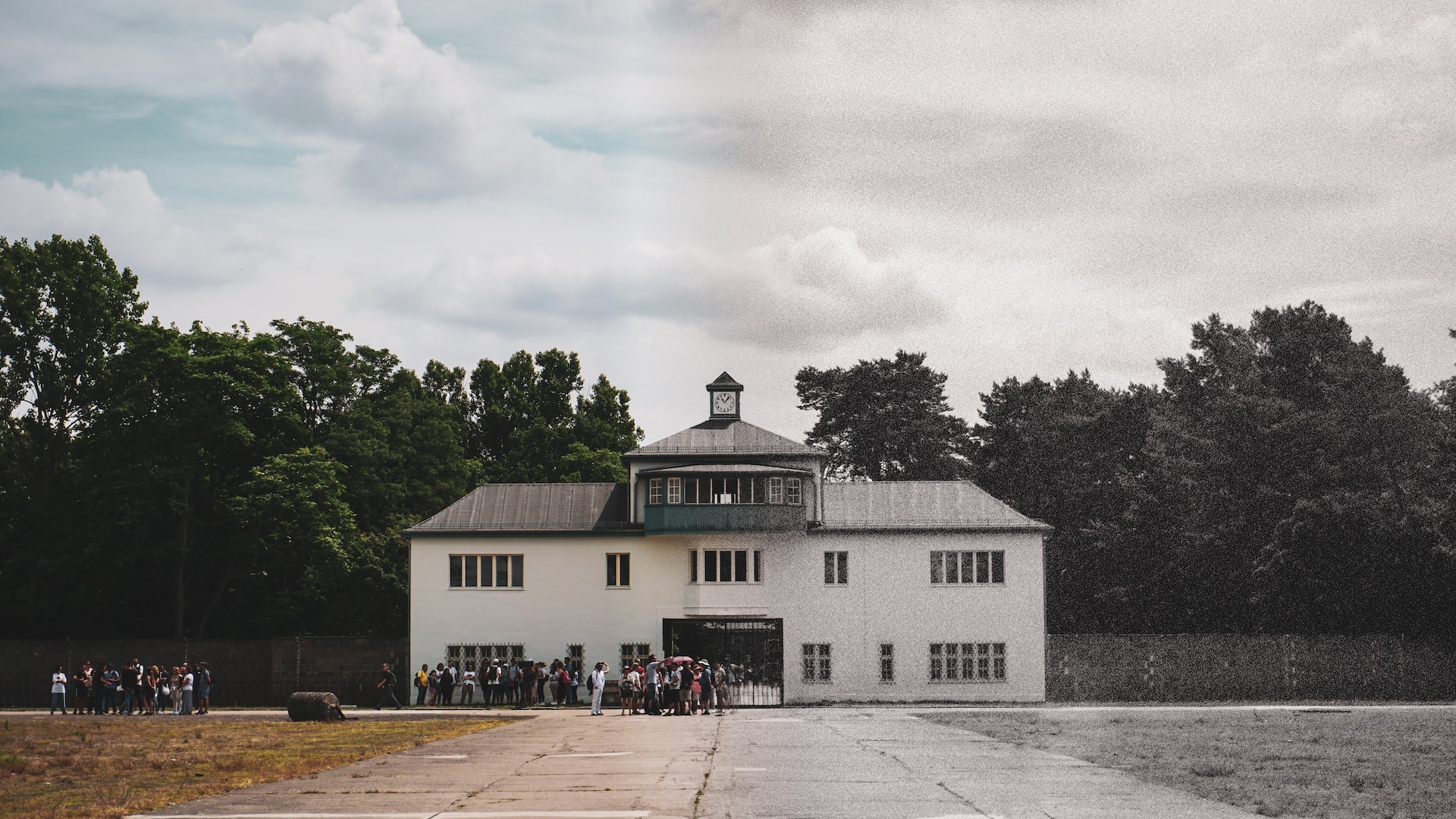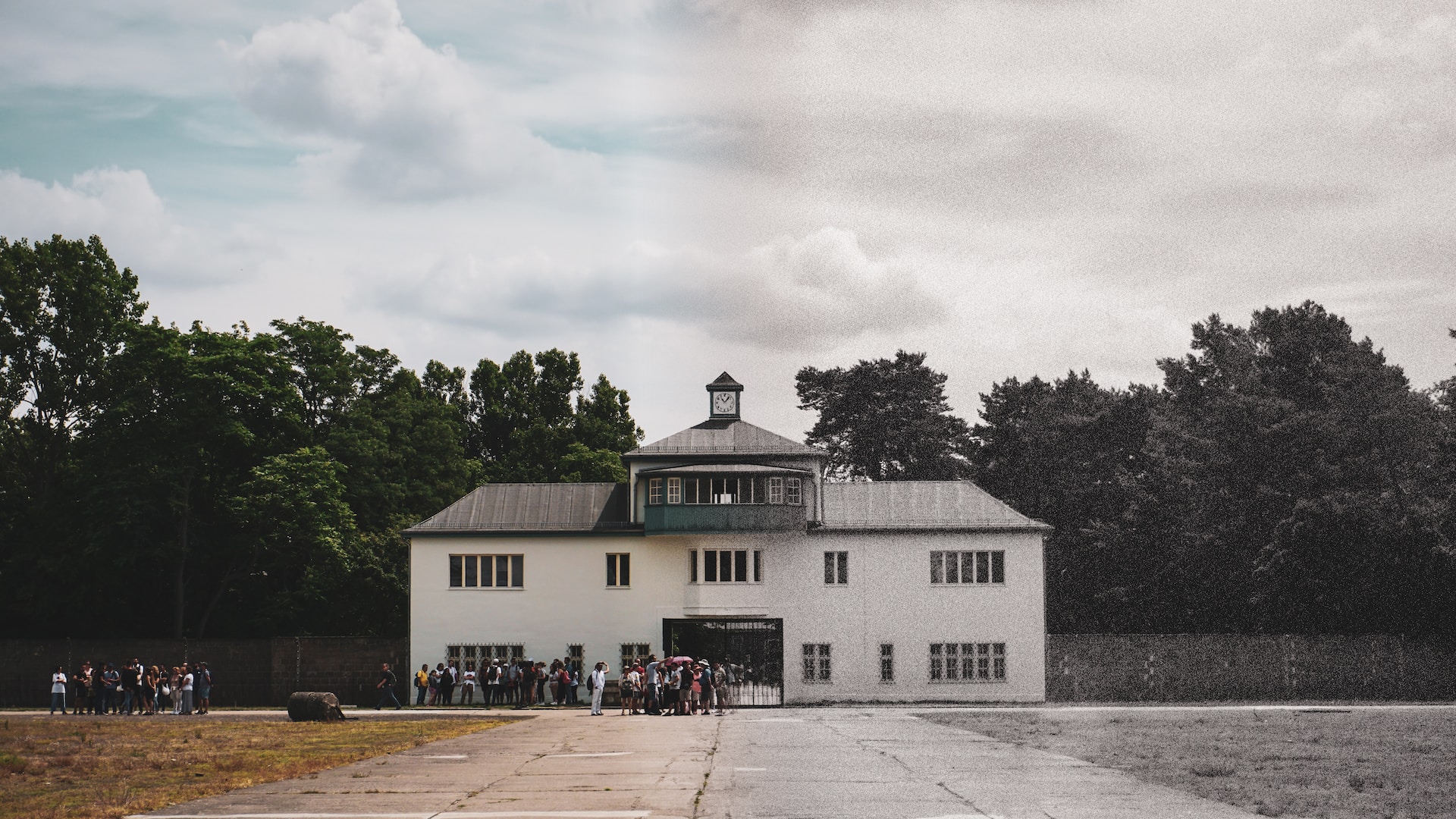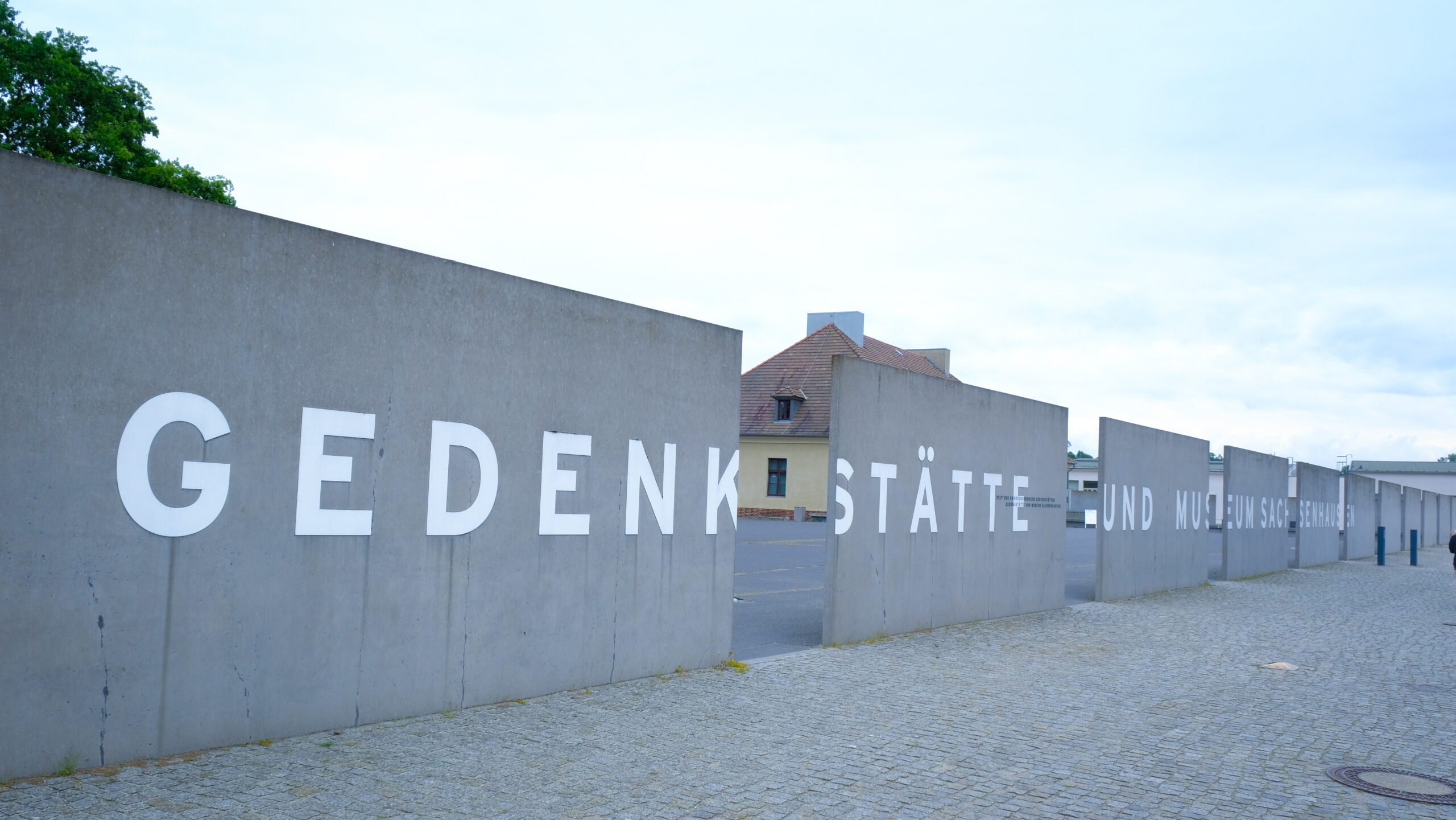
Visiting Sachsenhausen raises an important question: what can we learn from Sachsenhausen? This former Nazi concentration camp near Berlin is a place of deep history and hard lessons. It tells the story of human cruelty, survival, and the need to remember the past. By understanding its history, we can reflect on tolerance, respect, and the dangers of hate.
In this guide, we will explore Sachsenhausen’s history, the life of its prisoners, the dark practices that took place there, and the lessons it teaches us today. Whether you are planning a visit or studying history, this article provides all the answers in an easy-to-read way.
Purpose of Sachsenhausen: Why the Camp Was Built
Sachsenhausen was built in 1936. The Nazis designed it mainly to train the SS and control political opponents. People who disagreed with the Nazi regime or were considered threats were imprisoned here. This included Jews, Romani people, homosexuals, and political dissidents.
The camp was a tool of control and fear. It taught the SS how to run concentration camps and carried out cruel punishments. It was also a place where the Nazis tested their ideas about race, power, and obedience.
Life Inside Sachsenhausen
Life in Sachsenhausen was harsh and cruel. Prisoners faced hard labor every day. Men, women, and children were forced to work long hours. Food was scarce. Many prisoners starved or became weak from malnutrition.
Prisoners lived in barracks. These were crowded and cold. Guards often beat them or punished them severely. Daily roll calls, known as “Appellplatz,” were grueling. Prisoners had little privacy or comfort. They lived in fear of violence at all times.
Medical experiments as forms of torture
During the Nazi regime, Sachsenhausen was infamous for the inhuman experiments conducted on prisoners by doctors. Some of these experiments involved testing vaccines and drugs on the inmates. They also used Jews to conduct various surgical procedures, without concern for whether the victims lived or died. Torture for prisoners included brutal medical operations with little or no chance of survival.
Death Marches and Camp Liberation in 1945
In the eve of the Soviet Red Army, approach to Sachsenhausen in 1945, the Nazis deported prisoners on death marches. These marches were meant to avoid liberating the inmates and they entailed untold suffering and deaths of thousands of prisoners. The survivors of this camp were liberated by the Soviet forces on 22nd of April, 1945.
Lessons from Sachsenhausen
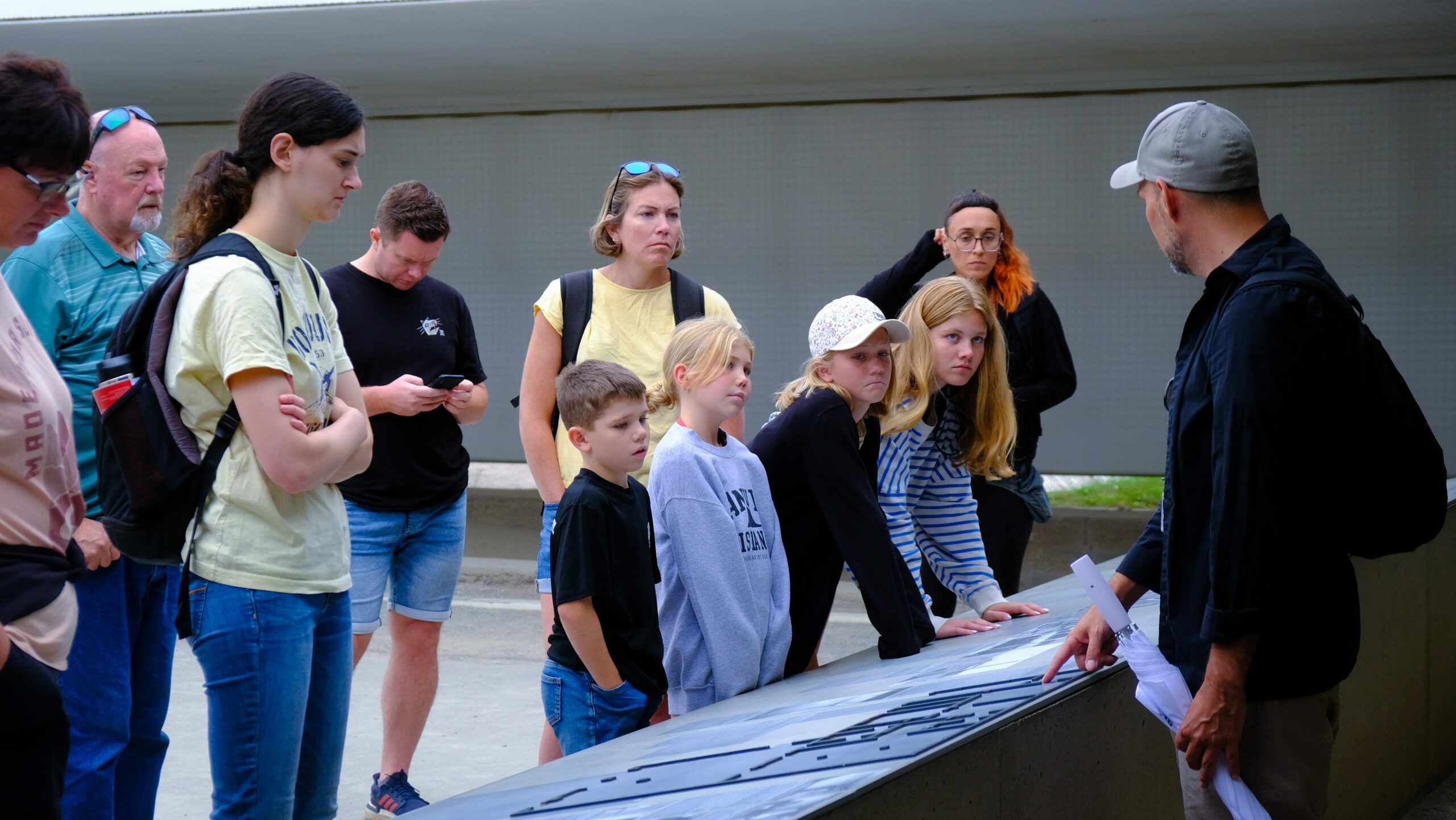
Tours at Sachsenhausen are haunting, which leave visitors with a rightful message of reality and the impacts caused by extremism.
Preserving Memory
What can we learn from Sachsenhausen? One key lesson is the importance of memory. Sachsenhausen stands as a reminder of what hatred and extremism can do. Preserving the site ensures that future generations understand the horrors of the Holocaust. The camp helps people remember the victims. It reminds us to fight against hate and discrimination today. Visitors learn the value of empathy, respect, and human dignity.
Self-accommodation- Promoting Tolerance and Understanding
Education about Sachsenhausen is respect, tolerance, and the lessons of hatred and discrimination. as it gets to emphasizes respecting the differences that are in the world and acknowledging and realizing that we are all the same.
Education and Awareness
Visiting Sachsenhausen is also an educational experience. Schools, historians, and tour guides use the camp to teach about the Holocaust and Nazi crimes. Understanding this history helps people recognize social issues like prejudice, racism, and injustice. Awareness encourages action. Learning about Sachsenhausen motivates people to support human rights and challenge intolerance wherever they see it.
Final Thoughts
What can we learn from Sachsenhausen? The answer is clear: we learn about the dangers of hate, the strength of human resilience, and the importance of memory. Sachsenhausen shows us the consequences of intolerance and the value of compassion. Remembering Sachsenhausen is not just about history. It is about creating a better future. Visiting the camp, learning its lessons, and sharing its story ensures that such horrors are never repeated.
Sachsenhausen challenges every visitor to reflect, respect, and act with kindness. The lessons stay with you for a lifetime. Book Now Sachsenhausen Memorial And Museum Tour