בלוג

מדריכים, היסטוריה ועצות מעשיות לביקור באתרי הזיכרון של זקסנהאוזן ובברלין.

מה הייתה המשמעות של מחנה הריכוז זקסנהאוזן?

מחנה הריכוז זקסנהאוזן היה אתר מרכזי ומטריד במערכת המחנות הנאציים. הוא הוקם ב-1936 באורניינבורג, מעט צפונית לברלין, והפך למחנה לדוגמה שבו האס-אס התאמנו, הענישו, הכריחו אנשים לעבוד וביצעו רצח המוני.

כיום זקסנהאוזן היא אנדרטה ומוזיאון. עבור המבקרים, זה לא רק אתר היסטורי. זה מקום להבין איך הרדיפה התארגנה, איך מערכות רגילות שימשו לאכזריות, ומדוע הזיכרון עדיין חשוב.

מדוע היה זקסנהאוזן חשוב?

זקסנהאוזן היה חשוב כי הוא נבנה כמחנה ריכוז לדוגמה. העיצוב, הניהול וחיי היומיום שלו עיצבו מחנות אחרים ברחבי אירופה הנשלטת על ידי הנאצים. מיקומה ליד ברלין גם הפך אותו לחשוב במיוחד למנהיגי ה-SS.

המחנה החזיק קבוצות רבות של אסירים, כמו יריבים פוליטיים, יהודים, שבויי מלחמה סובייטים, רומא וסינטי, אנשי להט"ק+, עדי יהוה ואחרים שהנאצים כוונו אליהם.

האם זקסנהאוזן היה בעיקר מחנה יהודי?

בזקסנהאוזן היו אסירים יהודים, אבל זה לא היה בעיקר מחנה השמדה יהודי כמו אושוויץ בירקנאו. זה היה בעיקר מחנה ריכוז לאסירים פוליטיים, עובדי כפייה ואחרים שהנאצים ראו כאויבים. ובכל זאת, אסירים יהודים התמודדו שם עם רדיפות קשות, ורבים נשלחו מאוחר יותר למחנות מוות בפולין הכבושה.

היסטוריה של זקסנהאוזן

זקסנהאוזן הוקם ב-1936 בפקודתו של היינריך הימלר, ראש ה-SS. הוא נבנה ליד ברלין כדי להיות מחנה ריכוז מודרני ומאורגן. ה-SS השתמש בו גם להכשרת קצינים שיעבדו מאוחר יותר במחנות אחרים.

הפריסה המשולשת של המחנה מאפשרת לשומרים לצפות באסירים מנקודות מפתח. זה הפך את זקסנהאוזן גם לכלא וגם לסמל של כוח ושליטה נאצים.

מדוע נבנה זקסנהאוזן ליד ברלין?

היותו קרובה לברלין הפכה את זקסנהאוזן לשימושית עבור מנהיגי הנאצים. זה היה קרוב מספיק לבירה לאימון וניהול, אבל עדיין רחוק מספיק כדי לשמש למאסר, לעבודות כפייה ולאלימות.

תנאי מחיית האסיר בזקסנהאוזן

החיים בזקסנהאוזן היו קשים. אסירים התמודדו עם רעב, תשישות, מחלות, צפיפות, עבודת כפייה והתעללות מתמדת. רבים הוכו, עונו, הושפלו או נהרגו.

האסירים נאלצו לעבוד בבתי מלאכה, במפעלים ובאתרי עבודה סמוכים. חלקם שימשו בניסויים אכזריים או נענשו בכלא המחנה. אחרים נהרגו מירי, תלייה, רעב, הזנחה רפואית או תשישות.

תאי הענישה היו בין המקומות שהחששו בהם ביותר, שבהם עונו אסירים והוחזקו לבדם. אזור נוסף שחששו ממנו היה חצר התעשייה, שם אירעו הוצאות להורג.

איך מתו אסירים בזקסנהאוזן?

אסירים מתו בדרכים רבות: רעב, מחלות, עבודת כפייה, ירי, תלייה, ניסויים רפואיים, עינויים והוצאה להורג. הזוועה בזקסנהאוזן לא הייתה מוגבלת לשיטה אחת. כל מערכת המחנה נועדה לעשות דה-הומניזציה, לנצל ולהשמיד אנשים.

תחנה Z: אתר ההרג של המחנה

בשנת 1942 בנה ה-SS אתר הרג בשם תחנה Z. השם נבחר להיות אכזרי, שכן "Z" פירושו התחנה האחרונה בחייו של אסיר.

בתחנה Z היו תנורי שריפה, אזור הוצאה להורג ותא גזים. זה הפך לאחד המקומות העיקריים שבהם אירעו רציחות בזקסנהאוזן.

האם לזקסנהאוזן היה תא גזים?

כן, לזקסנהאוזן היה תא גזים בתחנה Z. הוא לא היה בשימוש כמו אלה במרכזי ההשמדה בפולין הכבושה, אבל הוא עדיין היה חלק ממערכת ההרג של המחנה.

זה חשוב כי הכחשת השואה מתמקדת לעתים קרובות בפרטים קטנים ומתעלמת מהראיות הברורות של רצח המוני נאצי. בזקסנהאוזן נכלאו, הורעבו, הוכו, נאלצו לעבוד, הוצאו להורג ונרצחו. חשיבות המחנה אינה מבוססת רק על שיטת הרג אחת.

שחרור זקסנהאוזן

הכוחות הסובייטיים והפולניים שיחררו את זקסנהאוזן ב-22 באפריל 1945. אז כבר אילץ ה-SS אסירים רבים לצאת לצעדות מוות ככל שבעלות הברית התקרבו.

האסירים שנותרו היו לרוב חלשים מאוד, חולים ומורעבים. השחרור סיים את השליטה הנאצית במחנה, אך הוא לא הסיר את הטראומה של מה שהתרחש שם.

מה היו צעדות המוות של זקסנהאוזן?

כשהכוחות הסובייטיים התקרבו באפריל 1945, ה-SS אילץ אלפי אסירים לעזוב את המחנה ולצעוד הרחק מהקווים הקדמיים. רבים מתו מתשישות, רעב, מקור או ירי בדרך.

לאחר השחרור: המחנה המיוחד הסובייטי

לאחר המלחמה נכנס זקסנהאוזן לתקופה אפלה נוספת. מאוגוסט 1945 עד 1950, ה-NKVD הסובייטי השתמש בו כמחנה מיוחד. אלפים נכלאו שם, כולל פקידים נאצים לשעבר, יריבים חשודים ואחרים שהוחזקו בידי הסובייטים.

© מאת Joerg Hempel
Jrg Hempel Photodesign
לודוויגסלי 59
52062 אאכן
Bankverbindung: Raiffeisenbak Setterich
BLZ 370 697 05 Kt: 5200021012

התנאים היו קשים, ואסירים רבים מתו מרעב וממחלות. ההיסטוריה הזו הופכת את זקסנהאוזן למקום מורכב לזכור: תחילה מחנה ריכוז נאצי, אחר כך מחנה סובייטי מיוחד.

האם קורבנות המחנה הסובייטי היו זהים לקורבנות המחנה הנאצי?

לא, שתי התקופות היו שונות ויש להבין אותן בנפרד. המחנה הנאצי היה חלק ממערכת גזענית ופוליטית של רדיפות, עבודת כפייה ורצח המוני. המחנה המיוחד הסובייטי היה חלק מהדיכוי והכליאה שלאחר המלחמה. שתי ההיסטוריות זכורות היום בזקסנהאוזן.

למה זקסנהאוזן עדיין חשוב היום

זקסנהאוזן חשוב כי הוא מראה כיצד ניתן לארגן רדיפה באמצעות חוקים, בירוקרטיה, מבנים, מערכות עבודה ותעמולה. זה לא היה רק ​​מקום של סבל. זה גם היה מודל לאופן שבו ה-SS רצה שמחנות ריכוז יפעלו.

ביקור בזקסנהאוזן עוזר לאנשים לראות את המחיר האנושי האמיתי של שנאה, גזענות, אנטישמיות, רדיפה פוליטית ודה-הומניזציה.

זה גם מזכיר לנו שהזכרון חייב להיות כנה. קבוצות רבות היו קורבנות, ואין לפשט או לשכוח את סיפוריהן.

למה אנשים צריכים לבקר בזקסנהאוזן?

אנשים מבקרים בזקסנהאוזן כדי ללמוד, לזכור ולהבין. זה מקום שקשה לבקר בו, אבל הוא נותן הקשר חשוב לשואה, לרדיפות הנאצים, לעבודות כפייה ולהיסטוריה של מלחמת העולם השנייה.

מבקר היום בזקסנהאוזן

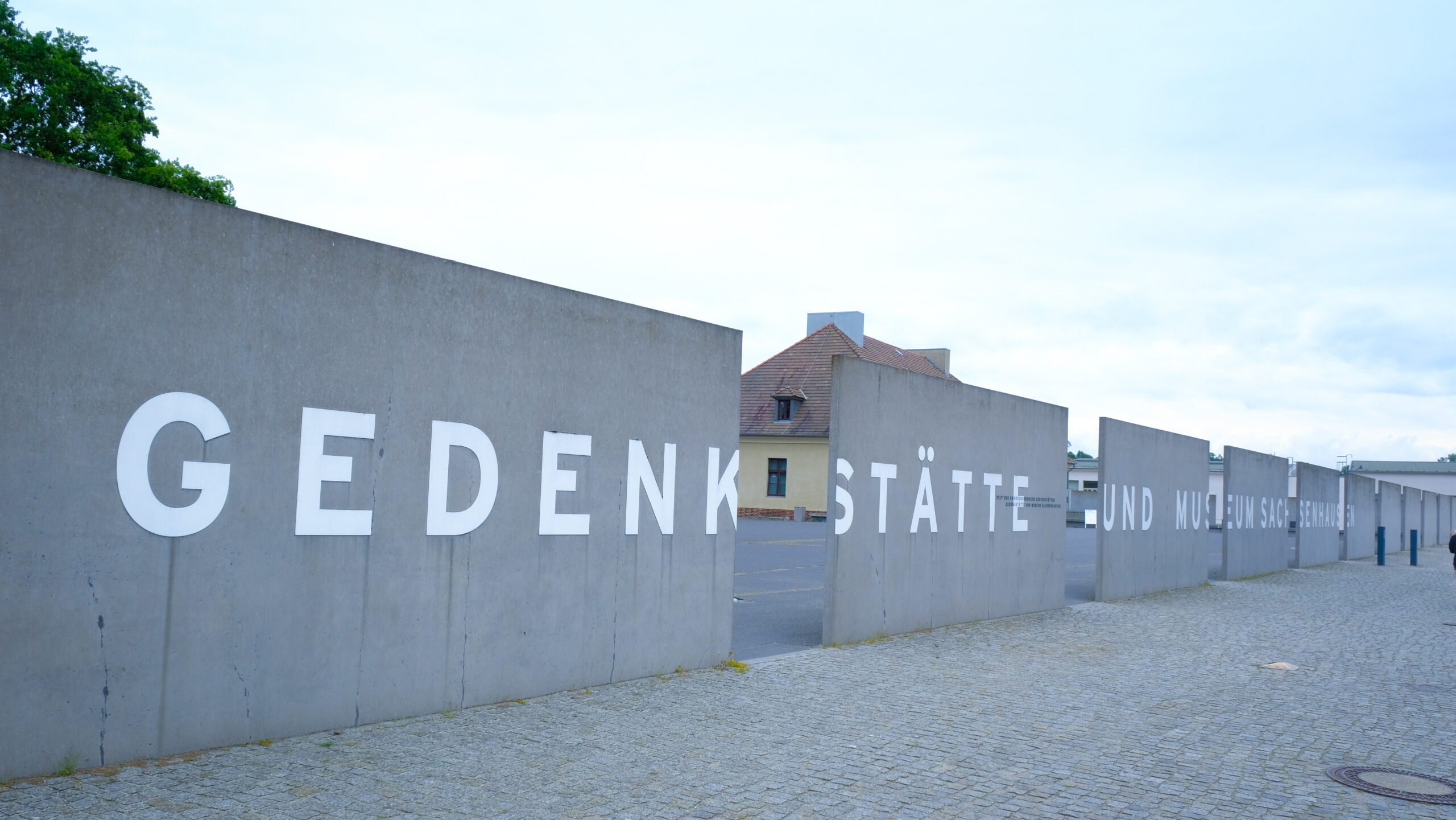
זקסנהאוזן הוא כעת אנדרטה ומוזיאון. המבקרים יכולים לטייל בחניונים הישנים, לראות תערוכות ולבקר במקומות חשובים כמו מגדל A, אזור המסדר, צריפים, תאי ענישה ותחנה Z.

אם אתה מתכנן לבקר, תן לעצמך מספיק זמן. האתר גדול, וההיסטוריה יכולה להרגיש כבדה מבחינה רגשית.

טיפים לביקור בזקסנהאוזן

נעלו נעליים נוחות, מכיוון שתלכו הרבה.

הביאו מים, במיוחד בקיץ.

תכנן להקדיש לפחות חצי יום אם אתה רוצה להבין באמת את האתר.

חשבו על הצטרפות לסיור מודרך או על שימוש במדריך קולי.

היו מכבדים. זהו מקום שבו אלפי אנשים סבלו ומתו.

הימנע מהתנהגות רועשת, מבדיחות או תמונות לא הולמות.

האם אתה יכול לבקר בזקסנהאוזן ללא מדריך?

כן, אתה יכול לבקר בעצמך. ובכל זאת, סיור מודרך יכול לעזור לך להבין את הפריסה, ההיסטוריה והמשמעות של מקומות שאחרת עלולים לפספס.

מַסְקָנָה

מחנה הריכוז זקסנהאוזן היה חשוב כי זה היה מחנה לדוגמה, אתר אימונים ל-SS, מקום לעבודות כפייה ואתר של רצח וסבל. תולדותיה לא הסתיימו ב-1945, שכן מאוחר יותר שימש כמחנה סובייטי מיוחד.

ביקור בזקסנהאוזן יכול להיות קשה, אבל זה משנה. האנדרטה שומרת על זיכרון הקורבנות ומלמדת את הדורות הבאים מה יכול לקרות כאשר שנאה, תעמולה וכוח המדינה מופעלים נגד אנשים חפים מפשע.

כיום, זקסנהאוזן עומדת כאזהרה מההיסטוריה וכמקום לזכור.

Historic building at Sachsenhausen Memorial Museum, former concentration camp site

ביקורות על מחנה הריכוז זקסנהאוזן מהן הביקורות?

רוב האנשים שמחפשים ביקורות על מחנה הריכוז זקסנהאוזן רוצים יותר מסתם דירוגי כוכבים. הם מתעניינים כיצד הביקור מרגיש, האם הוא כדאי, ולאילו רגשות לצפות לפני ביקור באחת מאנדרטאות השואה המשמעותיות ביותר בגרמניה.

The entrance to the Sachsenhausen Memorial and Museum

רוב הביקורות מתארות את זקסנהאוזן כ:

  • חינוכי, מפחיד ומטריד.
  • מעורר מחשבה.
  • חיוני להבנת ההיסטוריה.

זקסנהאוזן היה אחד ממחנות הריכוז המשמעותיים ביותר בגרמניה הנאצית, שנמצא ממש מחוץ לברלין באורניינבורג. כיום הוא משמש כאנדרטת זיכרון ומוזיאון לכבוד אלה שסבלו ומתו שם. מבקרים רבים מגיעים בציפייה לאתר היסטורי, אך עוזבים ואמרו שזו הייתה אחת החוויות החזקות ביותר בטיול שלהם לברלין.

מדוע מבקרים אוהבים את זקסנהאוזן?

זקסנהאוזן שונה ממוזיאונים מסורתיים. כאן, אתה יכול ללכת על השטח שבו התרחשה ההיסטוריה.

ביקורות רבות מזכירות שקריאה על היסטוריה בספרים אינה יכולה להשתוות לעמידה בתוך המחנה עצמו.

מבקרים מרבים להעיר על:

  • שער הכניסה המקורי עם הסלוגן הידוע לשמצה, "העבודה משחררת אותך".
  • הצריף המשוחזר
  • התאים
  • מתקני ההוצאה להורג של תחנת Z.
  • מגזרי הניסויים הרפואיים
  • המחנה היה גדול מאוד.
  • אנשים רבים מציינים שזקסנהאוזן פחות צפוף ופחות ממוסחר מאנדרטאות אחרות של מחנות ריכוז, מה שנותן למבקרים יותר זמן להרהר במה שהם רואים.
  • זקסנהאוזן

האם כדאי לבקר?

כן, אבל היו מוכנים לחוויה רגשית חזקה.

סוקרים רבים אומרים זקסנהאוזן הוא אחד המראות ההיסטוריים החזקים ביותר שהם ביקרו אי פעם.

מבקרים אומרים לעתים קרובות שהם בילו שעות בחקר השטח ועדיין גילו שיש עוד מה ללמוד.

זו לא אטרקציה טיפוסית לטיולים. רוב האנשים מבקרים כדי ללמוד על המציאות של רדיפות הנאצים, עבודת כפייה והשואה.

מה הכי מפריע למבקרים?

החוויה שלכם בזקסנהאוזן יכולה להשתנות בהתאם לאיזה חלק של המחנה אתם מבקרים.

מבני הניסוי הרפואי

אזור אחד המוזכר לעתים קרובות בביקורות הוא הבניין הרפואי לשעבר.

בתחילה, החדרים נראים רגילים באופן מפתיע, מה שלעתים קרובות גורם למבקרים אי נוחות. האריחים הלבנים, הניקוזים ושולחנות הבדיקה, יחד עם הפריסה הקלינית הפשוטה, עומדים בניגוד מטריד למה שקרה שם.

מבקרים רבים אומרים שהפשטות של החדרים האלה היא מה שעושה אותם כל כך מפחידים. קשה לשכוח שניסויים נוראיים כאלה בבני אדם התרחשו בחללים שנראים כמו מבנים רפואיים רגילים.

עבור מבקרים רבים, זוהי תזכורת מפוכחת לכך שכמה מהפשעים הגרועים ביותר בהיסטוריה התרחשו במסגרות ביורוקרטיות רגילות.

תחנה Z

תחנה Z הייתה אתר ההוצאה להורג של המחנה.

זה מתואר לעתים קרובות בביקורות כחלק הקשה ביותר בביקור.

מבקרים רבים אומרים שהאווירה משתנה באופן דרמטי כשהם נכנסים לאזור זה. תעלת ההוצאה להורג, שרידי הקרמטוריום ואנדרטאות הזיכרון הם חזקים מאוד.

מבקרים רבים מזכירים צורך לעצור, לשבת בשקט או לקחת הפסקה לאחר ביקור בחלק זה של המחנה.

מסלול בדיקת נעליים

תכונה אחת שמפתיעה מבקרים רבים היא מסלול בדיקת הנעליים.

אסירים נאלצו לצעוד למרחקים ארוכים בהנעלה צבאית ניסיונית. הקורס כלל מגוון משטחים שנועדו לבחון את העמידות של מגפי הצבא הגרמני.

אזור זה הוא לרוב המטריד ביותר עבור המבקרים מכיוון שהוא מראה כיצד אסירים שימשו לניסויים ולעבודות כפייה.

כמה זמן אתה צריך בזקסנהאוזן?

רוב המבקרים ממליצים להקדיש 4 עד 6 שעות או יותר.

האתר גדול מכפי שצפו מבקרים ראשונים רבים.

אם אתה רוצה לדעת יותר:

  • לך לתערוכות
  • קרא את לוחות המידע
  • לך לתחנה Z
  • טיילו בשטח
  • צא לסיור מודרך
  • כדאי לתכנן לבלות לפחות חצי יום.

חובבי היסטוריה יכלו בקלות לבלות יום שלם באנדרטה.

Jewish prisoners in Sachsenhausen Concentration Camp, 1936-1945

מהן הרגשות הרגילים של מבקרים?

מילה אחת שמופיעה כמעט בכל הביקורות היא:

כָּבֵד.

מבקרים בדרך כלל אומרים:

  • השתקפות שתיקה
  • עצב, הלם וחוסר אמון.
  • "אחרי שאני הולך, הרבה אנשים אומרים שהם פשוט מרגישים סחוטים רגשית. מבקרים רבים מופתעים מכמה שסביבת המחנה נראית רגילה. הניגוד בין רחובות המגורים השקטים וההיסטוריה של המחנה יוצר חוויה עוצמתית ומטרידה.

כמה מבקרים מציינים שהניגוד הזה הופך את ההליכה מתחנת הרכבת לאנדרטה לבלתי נשכחת בפני עצמה.

האם אתה צריך לקחת א סיור מודרך?

רוב הביקורות נלהבות.

אתה יכול לבקר בעצמך, אבל סיורים מודרכים מספקים הקשר היסטורי חשוב שמבקרים רבים אומרים שהם היו מפספסים אחרת.

לעתים קרובות מדריכים אומרים לנו:

  • החיים במחנה מיום ליום
  • סיווג אסירים
  • ניסיונות לברוח
  • ניסויים רפואיים
  • תפקיד המחנה במערכת מחנות הריכוז הנאציים

מה קרה בזקסנהאוזן אחרי מלחמת העולם השנייה

visitors walking towards the Liberation Obelisk at the Sachsenhausen Concentration Camp Memorial

אומרים שסיורים מודרכים מעניקים למבקרים הבנה מעמיקה הרבה יותר של האתר.

מה מפליא את המבקרים בסקסנהאוזן?

מבקרים רבים מגיעים בציפייה ללמוד בעיקר על אסירים יהודים.

עם זאת, ביקורות רבות מביעות הפתעה מהמגוון של האנשים הכלואים בזקסנהאוזן, כולל:

  • מתנגדי הממשלה
  • לוחמי התנגדות
  • קבוצות אמונה
  • אסירים הומואים
  • עמים רומא וסינטי
  • שבויי מלחמה
  • קבוצות אחרות שמטרתן המשטר הנאצי

אחד החלקים המאירים ביותר בביקור הוא לעתים קרובות ללמוד על סיווגי האסירים השונים ועל הסמלים שהם נאלצו לענוד.

הנה כמה מהביקורות מגוגל: 

האם זקסנהאוזן ידידותי לילדים?

זה מומלץ בדרך כלל לבני נוער מבוגרים ולמבוגרים.

בגלל התוכן הרציני, מבקרים רבים מציעים שהאנדרטה היא הטובה ביותר לילדים בוגרים שכבר למדו על מלחמת העולם השנייה והשואה.

הורים אומרים לעתים קרובות שהביקור עורר שיחות חשובות על היסטוריה, דעות קדומות וזכויות אדם.

פסק דין מבקר: מה אומרות רוב הביקורות?

אלפי ביקורות מבקרים חולקות נושא דומה.

מעטים מתארים את זקסנהאוזן כיפית.

הם קוראים לזה:

✓ חשוב!

✓ חינוכי ✓ מעבר דירה ✓ מתפכח

✓חובה

Many visitors say the experience is the most memorable part of their trip to Berlin. It is not pleasant, but it gives them a deeper understanding of one of history’s darkest chapters.

The memorial preserves authentic locations and encourages reflection. This continues to make a strong impression on visitors from around the world.

Exhibition at the Sachsenhausen Memorial and Museum in Oranienburg

Sachsenhausen ביקורות: שאלות נפוצות.

מה מבקרים בממוצע חושבים על זקסנהאוזן?

Most visitors rate the experience highly as a historical and educational site, but also describe it as emotionally challenging.

כמה זמן ביקור בדרך כלל?

Most people spend four to six hours touring the memorial.

האם כדאי לעשות סיור מודרך?

Yes. Reviews consistently say that guided tours are one of the best ways to learn about the camp’s history and significance.

מהו החלק הנוגע ללב באנדרטה?

For many visitors, the most emotional parts are Station Z, מבני הניסוי הרפואי, and the prisoner barracks.

זקסנהאוזן is often less busy than other concentration camp memorials.

Many visitors say זקסנהאוזן is quieter and less crowded than other major memorial sites, which allows for a more reflective experience.

סיור מודרך זקסנהאוזן עם מדריך מקצועי.

Sachsenhausen Memorial & Museum in Oranienburg

Reading reviews can help you know what to expect, but nothing compares to visiting זקסנהאוזן with a knowledgeable guide who can share the stories behind the buildings, memorials, and exhibits.

Here are some reviews from our Guests:

Join our זקסנהאוזן Memorial Tour to explore this important historical site near Berlin in greater detail. Our experienced guides bring the camp’s history to life and help visitors understand the human stories behind the memorial. https://sachsenhausentour.de/

מחנה הריכוז זקסנהאוזן How to Get There and Visit from Berlin

מחנה הריכוז זקסנהאוזן is one of Germany’s most significant memorials. Located just outside Berlin, it draws thousands of visitors each year who come to learn about Nazi Germany, the people imprisoned there, and why remembrance matters today.

Many people search for זקסנהאוזן ’s address before their trip. Others want to know the easiest way to get there from Berlin, whether guided tours are available, and what to expect during their visit.

This guide is clear and respectful in its explanation. Here you’ll find the official address, transport info, travel tips,

Official Address of מחנה הריכוז זקסנהאוזן

In case you are planning your visit, the official address of מחנה הריכוז זקסנהאוזן is: Memorial and Museum זקסנהאוזן

Straße der Nationen 22 16515 Oranienburg Deutschland

This is the proper address for:

  • Google Maps
  • GPS Navigation
  • cabs, taxi
  • tour discharge
  • transport apps

Signs at the entrance clearly mark the way to the memorial.

Can I visit זקסנהאוזן without a tour?

Yes. Visitors can visit זקסנהאוזן on their own. The memorial grounds are open to the public free of charge and feature information boards throughout. However, many visitors choose a guided tour because the history is complex and emotional. A knowledgeable guide can explain the background, the camp’s layout, the lives of prisoners, and important events that might not be clear when visiting alone.

If you would like to know more about the memorial, you can join our סיור מודרך here:

https://sachsenhausentour.de/

זקסנהאוזן Location

זקסנהאוזן is in the town of Oranienburg in Brandenburg, just north of Berlin. The memorial was originally constructed in 1936 due to its proximity to the Nazi government headquarters in Berlin. Today, the same site is one of the most accessible concentration camp memorials for visitors in the German capital. Since זקסנהאוזן is close to Berlin, many travelers visit it as part of a half-day or full-day trip.

Why זקסנהאוזן Is Historically Significant

Sachsenhausen was one of the first big מחנות ריכוז built under the Nazi regime. It was later used as a model camp for the SS administration. Political prisoners were the first inmates. Over time, many other groups were imprisoned there, including:

  • Jewish
  • Sinti and Roma
  • Jehovah’s Witnesses
  • homosexuals
  • members of the resistance
  • שבויי מלחמה (POW)

Thousands of people died and suffered in זקסנהאוזן .

Today, the memorial preserves the site’s history and helps future generations understand the consequences of hatred, dictatorship, and dehumanization.

Many visitors describe the memorial as educational and emotionally powerful. Preserved buildings, museum exhibits, and memorial spaces help people understand what happened there.

Should I visit זקסנהאוזן ?

Yes, especially for those interested in history, World War II, human rights, or modern European history.

זקסנהאוזן is not a typical tourist attraction. It is an educational and commemorative site. Many people visit to learn about history and pay their respects to the victims.

Visitors often remark that the intact buildings and historical exhibits leave a lasting impression.

Distance Between Berlin and זקסנהאוזן

זקסנהאוזן is about 35 kilometers north of central Berlin. Typical travel time:

  • By train: 30 to 40 minutes
  • By car: 45 min depending on traffic

Because it is so close, זקסנהאוזן is one of the easiest memorial sites to visit from Berlin.

How to Reach זקסנהאוזן by Train

Most visitors take the train to זקסנהאוזן , as it is the easiest option.

From Berlin Hauptbahnhof (Central Station) you can get:

  • RE5 Local train
  • RB12 regional train, according to the schedule

The trip to Oranienburg takes about 35 minutes.

When you arrive at the station in Oranienburg:

  • The memorial is about a 20 minute walk.
  • Clear signs point to the זקסנהאוזן Memorial.
  • There may also be shuttle buses running during busy periods.

The walk from the station is straightforward and popular with visitors.

What Berlin Train Ticket Should You Buy?

  • Oranienburg is outside the central Berlin zones, so most visitors will need an ABC Berlin transport ticket.
  • Always check the latest public transport timetables before traveling.
  • Driving to מחנה הריכוז זקסנהאוזן

Driving is another easy option, especially for families or groups. By car from Berlin:

  • Head north on the A111 motorway.
  • Continue to Oranienburg
  • Follow signs to זקסנהאוזן Memorial

There is parking available near the memorial site.

Travel time is normally around 45 minutes, depending on traffic conditions.

Guided Tours at זקסנהאוזן

  1. A סיור מודרך may help visitors understand the memorial’s historical significance.
  2. Professional guides share the history, point out key areas of the camp, and answer questions respectfully and clearly.
  3. Many visitors find guided tours helpful, since it can be hard to take in all the complex history on your own.

Find out more about our Berlin concentration camp experience here:

https://sachsenhausentour.de/

What to Expect When You Visit

Today, זקסנהאוזן serves as both a memorial and a museum.

Visitors are able to see:

  • Well maintained camp buildings
  • mausoleum sites
  • exhibitions in museums
  • former prison barracks
  • the crematorium section
  • watchtowers and base facilities

The atmosphere is calm and reflective. Most people spend several hours exploring the grounds and exhibitions. The site focuses on education rather than immersion. The exhibits and preserved buildings highlight documentation, memory, and understanding of history.

How Long Does a Visit Last?

The majority of visitors spend:

  • 2-4 hours at the memorial
  • longer if taking a סיור מודרך or reading museum exhibitions in detail

It is usually comfortable to visit as a day trip from Berlin.

What To Know Before You Visit

Wear Comfortable Shoes

The memorial grounds are large, and visitors walk quite a bit during their visit.

Wear Suitable Clothing

זקסנהאוזן is a place of remembrance. All visitors should dress appropriately and behave respectfully.

Prepare yourself emotionally.

Visiting can be very emotional for many people. The displays and preserved areas show real suffering and loss of life.

Photography

Photography is usually allowed, but visitors should be respectful and avoid causing any disturbance.

Consider a סיור מודרך

A guide can share the history and context, helping visitors understand what they see.

Is זקסנהאוזן Family Friendly?

Older teenagers who are interested in history often benefit from visiting Sachsenhausen. Parents should consider if younger children are ready for the difficult historical topics. The מחנה הריכוז זקסנהאוזן address is the first step to planning a meaningful visit.

זקסנהאוזן is more than a historical site; it is a place for memory, education, and reflection. Visiting helps keep alive the memory of those who suffered and reminds future generations why history must not be forgotten. Whether you visit on your own or with a guide, a trip to זקסנהאוזן often gives people a deeper understanding of the past and the importance of protecting human dignity today.

For information or booking of guided tours, please visit: https://sachsenhausentour.de/

What Was the Concentration Camp at Potsdam?

The Truth about Potsdam and the Nazi Camp System. Many people looking for information about a “Potsdam Concentration Camp” are surprised to find out that there was no large Nazi concentration camp in Potsdam itself. Unlike Auschwitz, Dachau, Buchenwald, or זקסנהאוזן , Potsdam did not have its own camp. However, the city played an important role during the Nazi era and later under Soviet occupation. The confusion often comes from Potsdam’s closeness to Berlin and זקסנהאוזן , as well as the presence of prisons and detention centers used for political persecution. This guide shares the real history, explains Potsdam’s connection to the Nazi camp system, and highlights memorial sites you can visit today.

There Was a Concentration Camp in Potsdam?

זקסנהאוזן : The Nearest Concentration Camp to Prisons and Detention Centers of the Nazi Era in Potsdam, The זקסנהאוזן Death Marches in Potsdam

Today in Potsdam, Touring Historical Sites. Why the secret of a Potsdam concentration camp?

A Concentration Camp at Potsdam?

Short answer: no way.

During the Third Reich, there was no major Nazi concentration camp in Potsdam. Unlike Sachsenhausen, Auschwitz, Dachau, or Buchenwald, Potsdam did not have an SS run concentration camp. Still, the city was closely connected to the Nazi regime’s system of political persecution. Potsdam had prisons, detention centers, and administrative offices that helped suppress political opponents and other targeted groups. Many people mistakenly believe there was a concentration camp in Potsdam because it is near Berlin and Sachsenhausen. The closest major Nazi concentration camp to Potsdam was Sachsenhausen, located in Oranienburg about 35 kilometers north of Berlin. It was easy to reach from Potsdam. Sachsenhausen, founded in 1936, was one of the most important מחנות ריכוז in Nazi Germany and served as a model camp for the SS.

  • Political adversaries
  • Jews,
  • The לוחמי התנגדות
  • Jehovah’s Witnesses
  • Gays.
  • Roma
  • Foreign forced labor
  • שבויי מלחמה

From 1936 to 1945, more than 200,000 people were imprisoned in Sachsenhausen. Tens of thousands died from starvation, disease, forced labor, executions, and ניסויים רפואיים. Visiting Sachsenhausen gives important historical context for anyone interested in learning about Nazi persecution near Potsdam and Berlin. On our Sachsenhausen Memorial Tour, an expert guide will explain the camp’s history, share stories of the prisoners, and describe the camp’s role in the Nazi system.

You can learn more about our Berlin concentration camp experience here: Berlin concentration camp experience

While Potsdam did not have a concentration camp, several detention facilities operated there during the Nazi era. One of the most important sites is the Lindenstraße Memorial Site. This building was originally a prison used by the Nazis to detain political rivals, לוחמי התנגדות, and critics of the regime. After 1945, the prison was used by Soviet authorities and later by East Germany’s Ministry for State Security (Stasi).

Today, the site is a memorial and museum to political persecution under three different regimes: Nazi Germany. East Germany (GDR) and Soviet occupation authorities. The memorial offers valuable insight into how political repression developed throughout the century. Potsdam was also a government center during these times. As the capital of Prussia and a city closely linked to Berlin, Potsdam was home to government institutions with roles within the Nazi state apparatus. Prisoners were typically sent on to larger מחנות ריכוז in other places, though administrative decisions that affected political persecution were often taken in the greater Berlin Potsdam region.

Potsdam was also connected to the history of concentration camps during the final months of World War II. In April 1945, as Allied forces approached Berlin, the SS began evacuating prisoners from מחנה הריכוז זקסנהאוזן . Thousands of exhausted prisoners were forced to march west in terrible conditions, and some of these death marches passed near Potsdam. Prisoners suffered from hunger, exhaustion, exposure to the elements, and arbitrary executions by guards. Many died before they could be freed. These marches were among the last crimes committed by the Nazi regime before Germany surrendered. After the war, Potsdam became part of the Soviet occupation zone. One notable site is Leistikowstraße Prison, often referred to as the KGB Prison. Unlike Sachsenhausen, this was not a Nazi concentration camp, but after the war, it was run by Soviet military intelligence. Between 1945 and 1950, thousands of people were imprisoned there, including:

  • Suspected political dissenters
  • Former officials
  • Suspected spies

Today, the prison serves as a memorial and educational center that documents Soviet repression in post war Germany. If you are interested in World War II history and political persecution, there are several important memorial sites to visit in and around Potsdam.

  • Lindenstraße Memorial

Here are the highlights:

  • Prison cells as they were.
  • Historical exhibitions
  • First hand accounts from ex inmates
  • Information on Nazi, Soviet, and GDR oppression
  • Leistikowstraße Memorial
  • Visitors learn about:
  • Soviet military intelligence activities
  • War time political imprisonment

Life in the זקסנהאוזן Memorial and Museum detention facility. If you want to learn more about the concentration camp system, the most important site near Potsdam is זקסנהאוזן .

The memorial consists of:

  • the old cat camp gate
  • Prison barracks
  • Penalty cells
  • Execution sites: The infirmary
  • Expositions du musée

Guided tours help visitors understand the historical context of these places and how the camp operated. If you are visiting Berlin or Potsdam, our guided זקסנהאוזן Memorial Tour offers expert insights and a detailed overview of the camp’s history with the Berlin concentration camp experience

The confusion is due to a couple of reasons:

  1. Potsdam’s proximity to זקסנהאוזן

Many people who visit Berlin and זקסנהאוזן stay in Potsdam, leading some to think the camp was located there.

  1. The Potsdam Political Prisons

The prison in Lindenstraße is one of the facilities that exist . The prison on Lindenstraße is one such facility. Some people mistakenly refer to these as מחנות ריכוז. Guides and internet posts sometimes use incorrect terminology when referring to detention facilities in Potsdam. When learning about this period, it is important to know the difference between prisons, detention centers, and מחנות ריכוז.

FAQ’s

Was there a concentration camp in Potsdam?

No, there was no large Nazi concentration camp in Potsdam. The closest major concentration camp was זקסנהאוזן , located in Oranienburg, about 35 kilometers north of Berlin.

Yes. The Nazis imprisoned people in Potsdam.

Yes, there were political prisoners held in places like Lindenstraße Prison, but these were not מחנות ריכוז.

Are there any historical Nazi sites to visit in Potsdam today?

Yes, visitors can tour the Lindenstraße Memorial and learn about political persecution during the Nazi era.

What happened in Potsdam after the Second World War?

After Germany’s defeat, Potsdam became part of the Soviet occupation zone. Soviet authorities used Leistikowstraße Prison and several other detention centers.

Is it worth visiting זקסנהאוזן from Potsdam?

Yes, זקסנהאוזן is one of the most important memorial sites in Germany and offers valuable insight into the Nazi concentration camp system. It is easy to reach from both Potsdam and Berlin.

There was no major Nazi concentration camp in Potsdam itself, despite many searches for a “Potsdam Concentration Camp.” However, the city’s prisons and detention centers, along with its proximity to מחנה הריכוז זקסנהאוזן , linked Potsdam to the history of political persecution. In the last weeks of World War II, the Sachsenhausen death marches also passed through Potsdam. The most important site near Potsdam for those interested in this history is the Sachsenhausen Memorial and Museum. Along with the memorial sites in Potsdam, it offers a valuable opportunity to learn about the effects of dictatorship, political repression, and the importance of remembering the past.

It is important to know the historical facts, keep the memory of the victims alive, and ensure that future generations learn from one of the darkest times in European history.
By Sachesenhausen Tours

What are the Visitors’ Requirements for the Berlin Concentration Camp Memorial?

Introduction

Many visitors look for the “Berlin Concentration Camp,” but the memorial most people mean is the זקסנהאוזן Memorial and Museum in Oranienburg, just outside Berlin.

זקסנהאוזן is not just another museum. It was a Nazi concentration camp and is now a memorial and place of remembrance. Before you visit, it helps to know the entry requirements, what to wear, how to behave, whether you need tickets, and what to expect emotionally. This guide covers the practical details for visiting זקסנהאוזן , so you can come prepared, show respect, and better understand the site’s history. Book your סיור מודרך here: זקסנהאוזן Memorial and Museum Tour

A group of visitors, including adults and children, on a guided tour of the Sachsenhausen Concentration Camp Memorial

Is a Ticket Required to Enter זקסנהאוזן ?

Visitors usually do not have to purchase a ticket for general admission to the זקסנהאוזן Memorial and Museum. Admission to the memorial grounds and exhibitions is free.

If you want a סיור מודרך, organized transport from Berlin, or a more structured historical explanation, it is best to book in advance.

This is especially helpful because זקסנהאוזן is a large site, and many visitors find it hard to understand everything without context.

Can I just walk in and see you?

Yes, independent visitors can generally enter without an admission fee. However, if you want the historical context and a more meaningful visit, it is highly recommended to book a סיור מודרך.

Is it free to get in?

Yes. Admission to the זקסנהאוזן Memorial and Museum is free. However, guided tours, audio guides, educational programs, or private tours may have extra costs. If you join a tour from Berlin, the price usually covers the guide, organization, and sometimes transport.

Why book a tour when entry is free?

The entry allows you to visit the site, but a guide explains what happened there, how the camp operated, and the meaning behind different parts of the memorial.

Do I Need to Book in Advance?

You don’t always need to book a self guided visit, but we recommend booking in advance if:

  • Tours with a guide
  • School groups
  • Groups (private)
  • Visitors to Berlin for a short stay
  • Peak travel times
    Those who are looking for a structured visit from Berlin

A סיור מודרך also helps with train tickets, timing, and knowing what to focus on during your visit.

For more information, visit: זקסנהאוזן Memorial Tour

Are there any security or ID requirements?

Casual visitors do not need to meet any passport style entry requirements. You do not need a visa or any special documents to enter the memorial. You should follow staff instructions, respect restricted areas, and follow the visitor rules. Staff may intervene if someone is disrespectful or ignores posted signs.

Can you turn away visitors?

Yes, in extreme cases. Visitors may be asked to leave if they are disrespectful, wear offensive symbols, disturb other visitors, or do not follow memorial rules.

What Should I Wear?

You do not need to wear formal clothes when visiting זקסנהאוזן . There is no need to dress in black, wear formal attire, or act as if you were attending a church service.

The best rule is to dress as you would for a cemetery, memorial, or serious historical site.

Normal casual clothing is fine. Jeans, trainers, plain T-shirts, jackets, hoodies, and practical walking clothes are all acceptable.

Don’t:

  • Nazi symbols or extremist images
  • Slogans that are offensive
    Clothing with jokes about death, violence, and suffering
  • Party wear
  • Badkleding
  • Clothing very revealing
  • Outfits or costumes that draw attention to you

Can I wear shorts?

Yes, normal shorts should be fine in general, especially if it’s hot out. Wear something respectful and practical, and avoid very revealing clothes.

What Should I Wear?

Comfort is important because זקסנהאוזן is mostly outdoors.

Some good choices are:

  • Comfortable walking shoes.
  • a simple T-shirt or shirt
  • Jeans, pants, or regular shorts
  • A warm coat in fall or winter
  • Rain jacket or umbrella if the forecast is for rain
  • Sun protection in summer

The ground is often uneven, and you may spend hours walking or standing outside.

Are trainers acceptable?

Yes. Comfortable trainers are a good bet, as the visit involves a lot of walking.

What Should I Bring?

Be prepared for a serious and respectful visit.

Suggested:

  • H2O
  • Tissue.
  • Clothing suitable for the weather
  • Shoes that fit well
  • A bit of a snack
  • Phone charged to 100%
  • Public transport ticket if you are traveling from Berlin
  • Cash or card for transport, guide services, or small purchases.

Many visitors do not realize how emotional the site can be. It is common to feel quiet, overwhelmed, or reflective during and after your visit.

Do I need to bring food?

A little snack is acceptable, but please do not use the memorial as a picnic area. Eat discreetly and with respect outside of sensitive areas.

Photography Rules

Some areas may allow photography, but always adhere to posted signs and guidance. Even if you are allowed to take pictures, it is important to do so respectfully.

Don’t:

  • Selfies with a grin
  • Posing in front of gates, barracks, crematoriums, and memorials
  • Influencer style תמונות
  • Jokes or fake pictures
  • Taking pictures of other visitors without their permission

Remember, this is a memorial site, not a tourist attraction.

Can I take pictures for educational use?

Yes, where allowed. Usually. Take pictures respectfully, and nothing that could be construed as casual, playful, or inappropriate.

How should I behave when visiting?

The most important requirement is to behave respectfully.

You need to:

  • Say it softly
  • Follow marked trails
  • Listen to the guide and staff instructions.
  • No jokes, loud laughter, or music.
  • Put your phone down when you can
  • Respect other visitors’ space.
  • Many suffered and died here, remember.

A good guideline is to act as you would in a cemetery or at a funeral.

Is it okay to ask tough questions?

“Yes. Serious questions can be asked, especially during the guided tours. The subject is complex, and thought-provoking questions can help visitors to better understand the history.

Is זקסנהאוזן suitable for children?

זקסנהאוזן is a serious and emotionally challenging place. It is usually more suitable for teens and adults than for young children.

For school groups or families, a סיור מודרך can explain the history in an age-appropriate way.

When is the best age to visit זקסנהאוזן ?

The site is generally easier for teenagers aged about 14+, especially with a teacher, parent, or professional guide.

Are Guided Tours Worth It?

Yes, guided tours are one of the best ways to visit זקסנהאוזן . Visitors can walk through the site without a guide, without really understanding what they are seeing. A guide might say:

  • The reason זקסנהאוזן was built
  • The camp system and how it worked
  • Who was put in jail there?
  • What the day-to-day life of prisoners was like
  • Changes to the memorial after 1945
  • What parts of the site are the most important

A guided visit also helps maintain the right tone. You are not just seeing buildings and ruins; you are learning about real people, their suffering, persecution, and the importance of memory.

הזמן עכשיו: זקסנהאוזן Memorial and Museum Tour

Accessibility

Some areas of the זקסנהאוזן Memorial are accessible, but parts of the historic site may be hard to reach due to uneven terrain, distance, and preservation efforts. Visitors with mobility needs should plan ahead and allow extra time. A סיור מודרך can help make the visit more manageable.

Is זקסנהאוזן wheelchair accessible?

Parts of the memorial are accessible, but not all areas might be easily reached. It’s best to check access information before you go.

Operating Hours

The זקסנהאוזן Memorial is open year-round, but opening hours vary by season.

The official visitor information lists the hours for outdoor areas and exhibitions for both summer and winter, with shorter hours in winter. Always check the official memorial website before you travel, especially around holidays or special events.

How long should I spend at זקסנהאוזן ?

Plan to spend at least 2 to 3 hours on a self-guided visit. If you join a סיור מודרך from Berlin, expect the trip to take about half a day, including travel.

זקסנהאוזן Entry Requirements

Do I need to purchase a ticket to visit זקסנהאוזן ?

Admission is free.

Are guided tours available by reservation at זקסנהאוזן , the same as the ‘Berlin Concentration Camp’?

Many visitors use that phrase, but the proper name is the זקסנהאוזן Memorial and Museum. It is located in Oranienburg, north of Berlin.

To dress or not to dress?

There isn’t a strict dress code. Dress in normal and respectful clothing suitable for walking outside.

Is it OK to wear shorts?

Yes, regular shorts are fine in warm weather. No beachwear, very revealing clothing, or anything offensive.

Are selfies allowed?

Don’t take selfies or smile for תמונות in memorial areas. It is seen as disrespectful.

Can I do without a guide?

Yes, but you really should have a guide to explain the history.

Can I take children?

Older teens are usually better for the visit. The site might be hard for young children or children may not understand the context.

What to bring?

Bring water, comfortable shoes, weather protection, tissues, and time to visit without rushing.

Can I eat at the memorial?

Bring a small snack if you wish, but do not use the site as a picnic area.

What is the most important rule?

Show respect. זקסנהאוזן is a memorial and place of memory. The requirements for visiting the Berlin Concentration Camp Memorial are simple: you do not need a special ticket for general admission, but you should arrive prepared, respectful, and aware of the site’s significance. זקסנהאוזן is not just another stop on a Berlin itinerary. It is a place to learn, reflect, and remember. Dress appropriately and respectfully, bring weather-appropriate clothing, avoid posting inappropriate photos, and give yourself enough time to fully experience the site.

For the most meaningful experience, consider taking a סיור מודרך from Berlin.

Book your זקסנהאוזן Memorial and Museum Tour here: https://sachsenhausentour.de/

Falkensee Concentration Camp: History, Prisoners, Forced Labor & Memorial Site

Many people who look up information about the Falkensee Concentration Camp ask if it really existed or if it is just a myth. The answer is straightforward: the camp was real, but it was not an independent concentration camp like Auschwitz, Dachau, or זקסנהאוזן . Falkensee was a satellite camp of זקסנהאוזן , located on the eastern edge of Falkensee, just west of Berlin. During World War II, prisoners from all over occupied Europe were forced to work for Germany’s war industry in very harsh conditions. Today, the site is a memorial and a reminder of the suffering prisoners faced during the Nazi era.

Was There Really a Falkensee Concentration Camp?

A common question is whether the Falkensee Concentration Camp really existed. The answer is yes. Falkensee was a real Nazi concentration camp that operated as a subcamp of זקסנהאוזן during World War II. Unlike Auschwitz or Dachau, Falkensee was not a large, independent camp. It was one of many smaller camps run by זקסנהאוזן , set up to provide forced labor for Germany’s growing wartime industries. After the war, the camp was dismantled and received less attention than the bigger camps, so many people today do not know about it. This has caused some confusion and myths about the site.

Was Falkensee a real concentration camp?

Yes. Falkensee was a real concentration camp site operated by the Nazi regime as a satellite camp of מחנה הריכוז זקסנהאוזן .

History of the Falkensee Concentration Camp

The Falkensee subcamp was established in 1943, when Germany was running short of workers during World War II. As more German workers went to fight, the Nazis used concentration camp prisoners to keep up military production. The SS created more camps across Germany, placing smaller camps near factories and industrial areas. Falkensee was important because it was close to Berlin. The camp provided labor for military manufacturing and repair work. Prisoners were sent to Falkensee from other camps and were controlled by the SS.

Was Falkensee an independent concentration camp?

No. Falkensee was administered by מחנה הריכוז זקסנהאוזן and operated as one of its satellite camps.

Why Was the Camp Built?

The main reason for the Falkensee camp was the use of forced labor. By 1943, Germany’s war economy relied on prisoners to keep factories running. The Nazis saw concentration camp inmates as expendable workers. Falkensee was built near key factories so prisoners could be used for manufacturing and military repair work. The camp shows how closely the concentration camp system was tied to the Nazi war economy in the later years of the war.

Why did the Nazis establish the Falkensee camp?

The camp was created to provide forced labor for military production and industrial facilities supporting Germany’s war effort.

Prisoners Held at Falkensee

Prisoners at Falkensee came from many different countries and backgrounds. People were held there for political, racial, religious, or military reasons. Many had already been imprisoned in other camps before being sent to Falkensee. The groups held at the camp included prisoners from occupied European countries.

  • Jews
  • Romani people
  • Jehovah’s Witnesses
  • Other groups persecuted by the Nazi regime

Records show that about 1,600 to 2,500 prisoners were held at the camp while it was operating.

How many prisoners were held at Falkensee?

Historians estimate that between 1,600 and 2,500 prisoners were held at Falkensee between 1943 and 1945.

Forced Labor and the DEMAG Factory

Falkensee was primarily known as a forced-labor camp. Many prisoners had to work in factories linked to DEMAG (Deutsche Maschinenbau AG), a large German engineering company that manufactured war equipment. Prisoners worked long hours making, repairing, and supporting military equipment. The work was very hard and often dangerous.

Working conditions were very harsh. Prisoners did not get enough food, had little time to rest, and were punished if they did not meet work targets. As Germany’s military situation got worse, production demands grew, making things even harder for the prisoners.

What work did prisoners perform at Falkensee?

Most prisoners were used as forced laborers in industrial facilities connected to Germany’s wartime production efforts, particularly those associated with DEMAG.

Living Conditions in the Camp

Life in Falkensee was extremely hard. Prisoners faced many of the same problems found in other Nazi מחנות ריכוז.

Food Shortages

Daily rations were inadequate and often left prisoners hungry and malnourished.

Overcrowding

Barracks were crowded, offering little comfort or protection from the weather.

Disease

Poor sanitation and limited medical care contributed to illness and the spread of disease.

Physical Abuse

SS guards maintained strict control through intimidation, punishment, and violence.

Exhaustion

Hard labor, poor food, and bad living conditions left many prisoners physically weak.

Falkensee was not an extermination camp, but many prisoners died from starvation, disease, abuse, and forced labor.

Was Falkensee a death camp?

No. Falkensee was not an extermination camp like Auschwitz Birkenau. However, conditions were brutal, and many prisoners died due to forced labor, disease, starvation, and mistreatment.

Liberation of Falkensee in 1945

As Soviet forces moved toward Berlin in the last months of World War II, the Nazi concentration camp system started to fall apart. The Falkensee subcamp stopped operating shortly before Germany surrendered. On 26 April 1945, Soviet troops arrived and freed the prisoners who were still alive. For those who survived, this was the end of years of imprisonment, forced labor, and suffering. Sadly, many others had died before the camp was liberated.

When was Falkensee liberated?

The camp was liberated by Soviet forces on 26 April 1945 during the final weeks of World War II in Europe.

Falkensee Memorial and History Park Today

Most of the original camp was dismantled after the war, which is one reason so few people know about its history today. Visitors will not find a preserved camp like זקסנהאוזן or Auschwitz. However, the site has been well researched and is remembered at the Falkensee History Park. Archaeological finds and memorials help keep the memory of the camp and its victims alive. The memorial serves several important purposes:

  • Honoring those who suffered and died
  • Preserving historical evidence
  • Educating future generations
  • Combating Holocaust denial and misinformation

Today, the site is an important place for remembering the past and is part of Germany’s effort to keep the history of Nazi crimes alive.

Can you visit the Falkensee Concentration Camp today?

Yes. While most of the original camp structures no longer exist, visitors can explore the Falkensee History Park and memorial area, where information about the camp and its prisoners is on display.

Learn More About זקסנהאוזן

Since Falkensee was a satellite camp of זקסנהאוזן , it is helpful to examine its history within the larger זקסנהאוזן camp system. If you plan to visit Berlin and want to learn more about זקסנהאוזן and its network of camps, you can join one of our guided tours. Our guides share historical background, explain what prisoners went through, and help visitors understand the bigger picture of these camps during the Nazi era. You can also check out our full זקסנהאוזן visitor guides and historical resources to learn more about the camp’s history and importance.

Frequently Asked Questions

Was Falkensee a concentration camp?

Yes. Falkensee was a real Nazi concentration camp subcamp administered by מחנה הריכוז זקסנהאוזן .

Was Falkensee an extermination camp?

No. It functioned primarily as a forced labor camp rather than a dedicated extermination center.

Why do some people think Falkensee is a myth?

Because it was a smaller satellite camp, it received less historical attention, and most physical remains were removed after the war.

How many prisoners were held there?

Historians estimate that between 1,600 and 2,500 prisoners were held at Falkensee between 1943 and 1945.

What factory did prisoners work in?

Many prisoners performed forced labor connected to DEMAG and other military production facilities.

Can the camp still be visited today?

Yes. Visitors can visit the Falkensee History Park and memorial site.

How is Falkensee connected to זקסנהאוזן ?

Falkensee operated as a satellite camp under the administration of מחנה הריכוז זקסנהאוזן .

Where is Falkensee located?

Falkensee is located just west of Berlin in the German state of Brandenburg.

Was Falkensee part of the Holocaust?

Yes. Although it was primarily a forced labor camp, it formed part of the wider Nazi concentration camp system that persecuted and exploited millions of people during the Holocaust.

The Falkensee Concentration Camp was a real part of the Nazi camp system, though it was not as large or independent as Auschwitz or Dachau. As a satellite camp of זקסנהאוזן from 1943 to 1945, it provided forced labor for Germany’s war industry and exposed prisoners to harsh and often deadly conditions. Learning about Falkensee helps keep the memory of those who suffered there alive and gives important context for understanding the wider network of camps in Nazi Germany. Even though most of the camp is gone, its history is a powerful reminder of the dangers of persecution, forced labor, and totalitarian rule. By studying places like Falkensee, we make sure the victims are remembered and that future generations learn from this dark chapter in history.
From Berlin: The Original Berlin concentration camp experience

Ready to Experience History?

Daily departures from Berlin. Small groups. Expert historians. €44 per person.

Tours fill up quickly during peak season — secure your spot today.

You have Successfully Subscribed!

Pin It on Pinterest