Welcome to the Sachsenhausen Memorial Museum, where history comes alive and illuminates the horrors of the past. Have you ever wondered about the events that unfolded during World War II and the unimaginable suffering endured by countless individuals? Well, today, we will dive deep into the compelling exhibits that this museum offers, shedding light on the Nazi regime’s atrocities and the experiences of the prisoners who lived within its walls.
History of the Sachsenhausen Memorial Museum
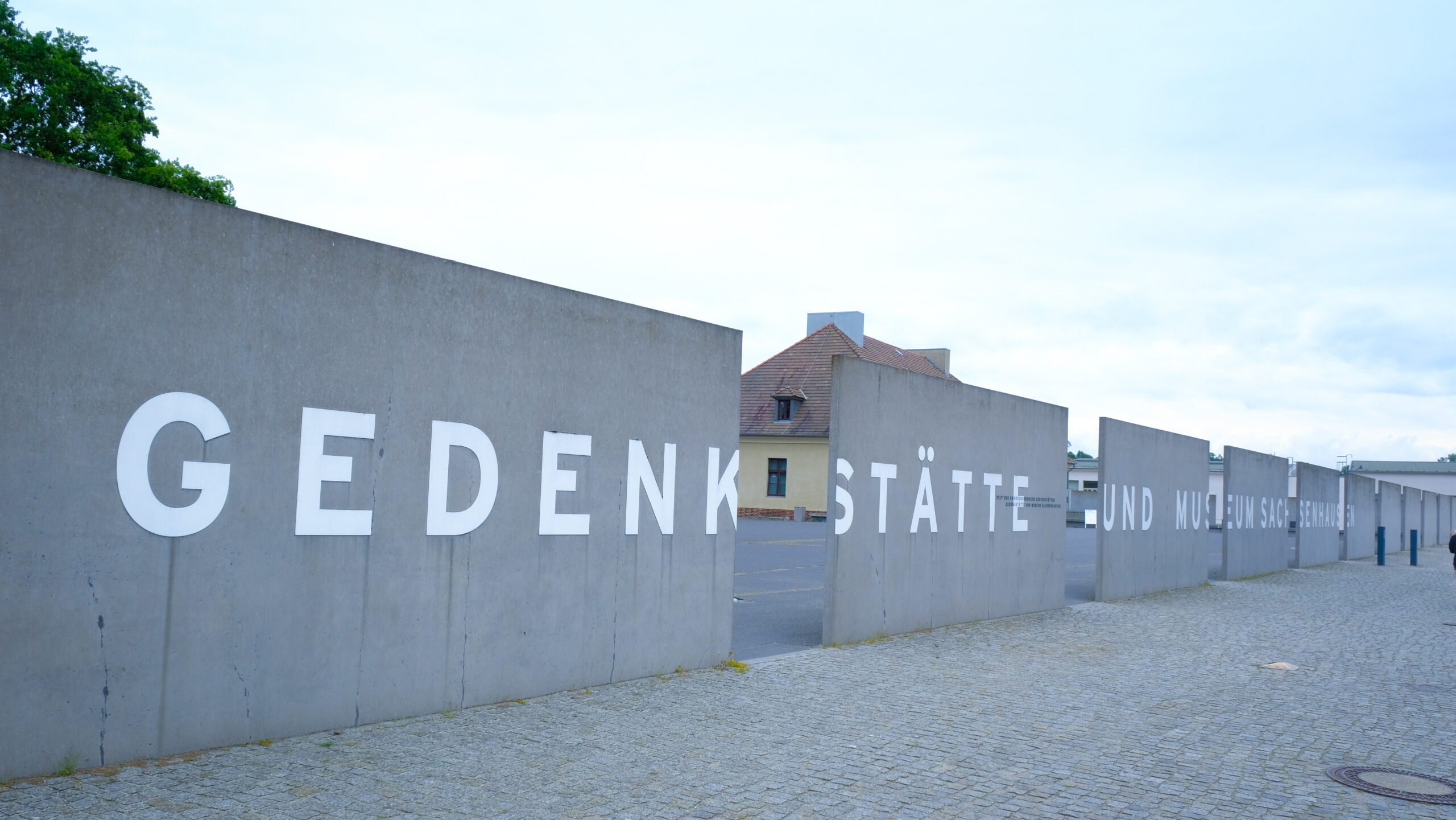
This museum is found in Oranienburg, near Berlin in Germany. The establishment was first built in 1936 as a concentration camp for the Germans. That is why it has been chosen as an example of the first permanent Nazi concentration camp. It illustrates the conditions and practices in other Holocaust sites.
First, it was confined to imprisoning political criminals, but later its role gradually expanded. It became a hub for intelligence interception and testing criminals, where the Nazi regime shaped control and punishment policies. The historical narrative of the camp makes us demand the guilt and forgetfulness of past evil acts to be acknowledged by society.
Items exhibited in Sachsenhausen museum
Each museum presents specific themes that help visitors understand the camp’s layout and functioning. They also reveal the conditions people endured and the outcomes of such experiences. Here are some of the most notable exhibits you shouldn’t miss:
Main Exhibition:
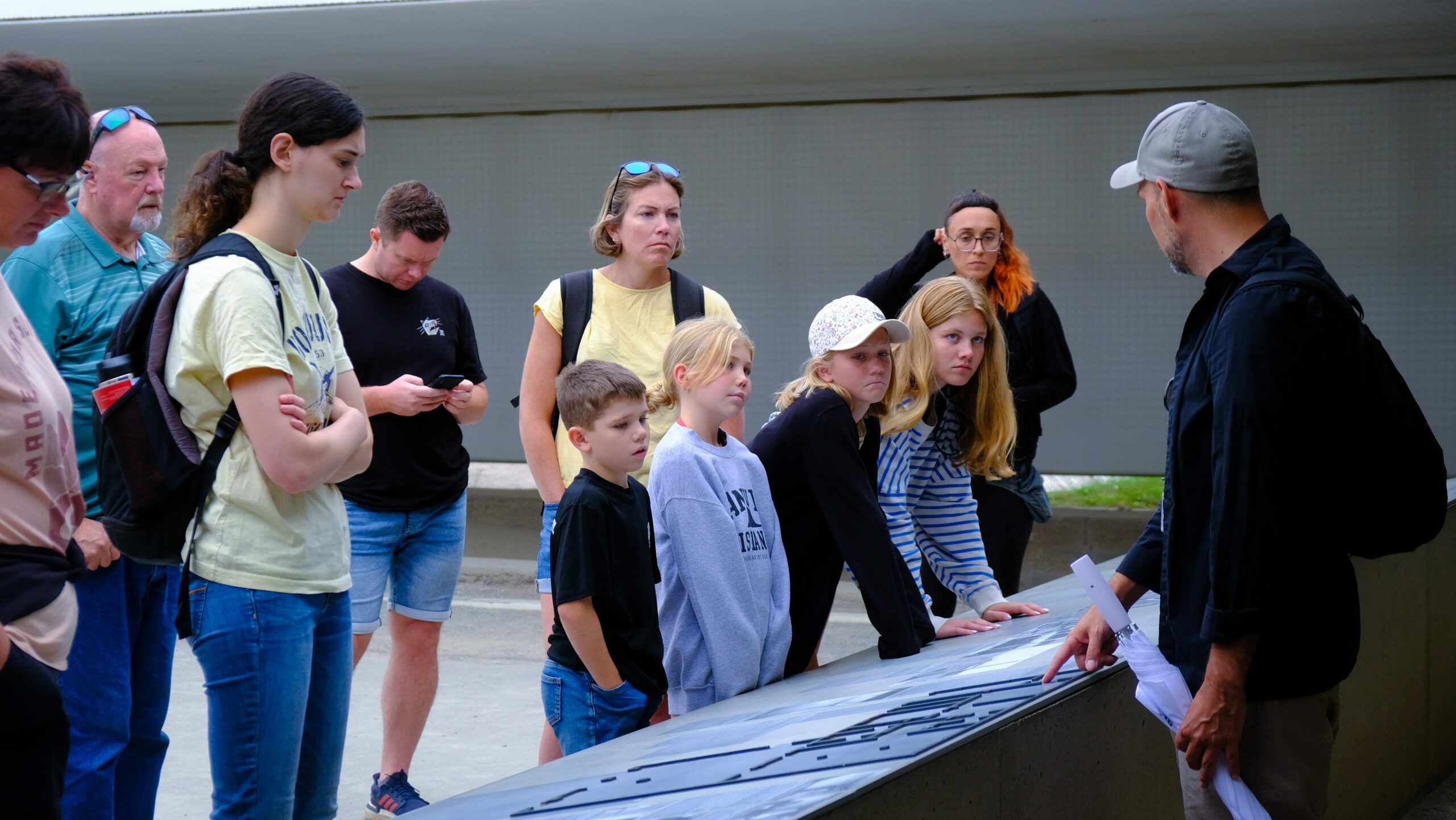
It is a large exhibition area and the largest in the district, in fact, it forms the main body of the museum. The guided tour leads through presumptions, which tell the history of the Sachsenhausen concentration camp and the fate of its inmates.
Barracks:
Visit reproduced buildings of barracks where a visitor gets an idea of how people lived in the camp. These bare setting afford a realistic account of the life within penitentiary.
Tower A:
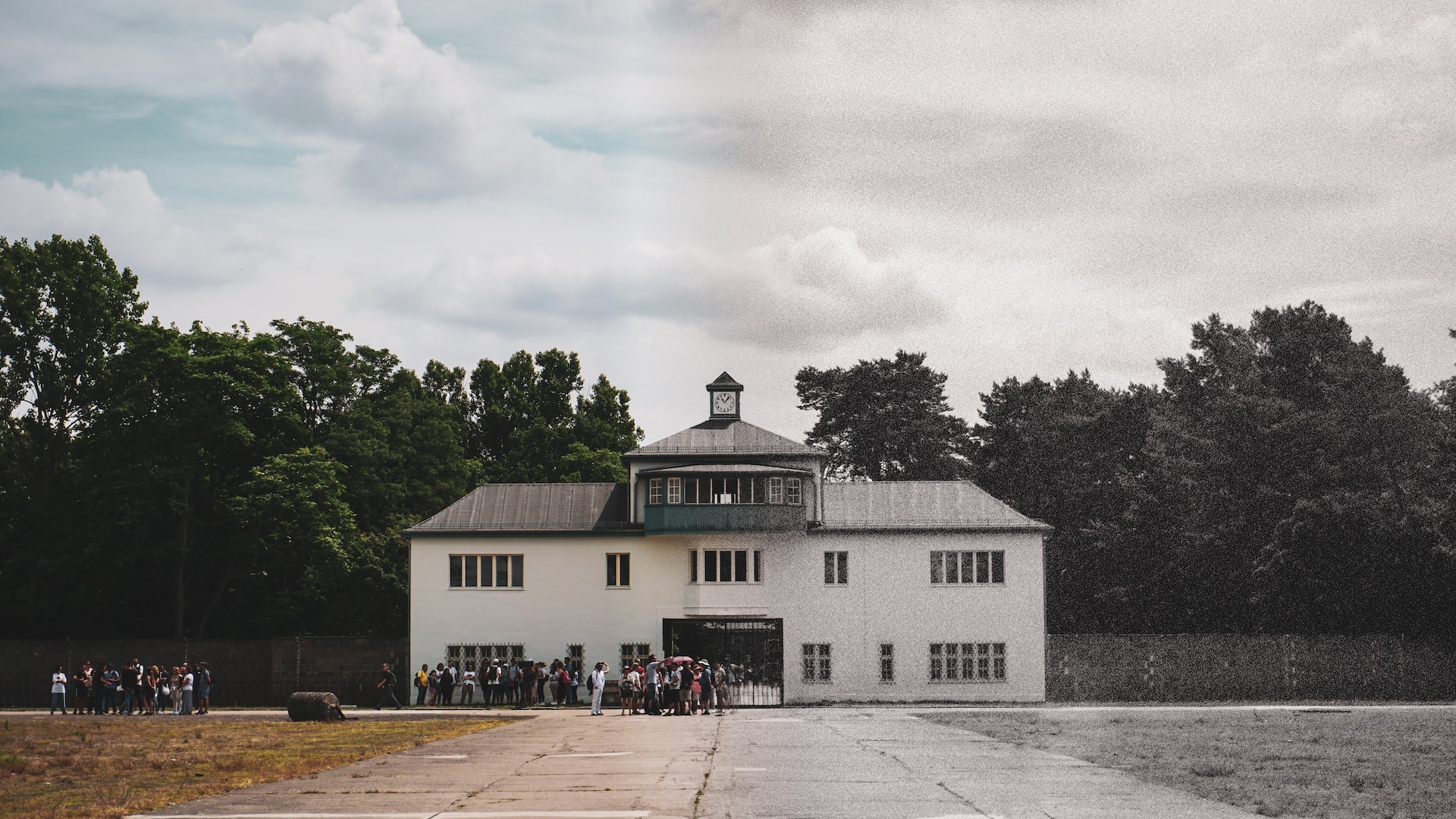
Once one enters into the site, get ready to be tombed in the eerie feeling while in Tower A, this was a watchtower over the camp compound. They also allowed me to notice the general picture of th camp and realize how immense was the suffering of the people there.
Path of the Prisoners:
Visit the Path of the Prisoners and follow the same route the victims once walked. It guides you through places of interest, showing firsthand the suffering individuals endured in the camp.
Some Helpful Information on Sachsenhausen Memorial Museum
Before you embark on your journey to Sachsenhausen, here are some helpful tips to make the most out of your visit:
Plan Sufficient Time:
Members of the museum family should spend not less than half a day to sufficiently visit this important landmark. This will give you enough time to go through the various displays. You can then really think about what you have been reading and seeing.
Utilize Audio Guides:
Multimedia guides in various languages are available and accompanied each exhibit with further information and descriptions. They are informative and complement your appreciation of the camp’s importance.
Dress Comfortably:
Make sure you wear comfortable shoes and dress appropriately. You may have to walk or stand for long periods while exploring the museum areas.
Respectful Conduct:
It is forbidden to take pictures of prisoners and also you have to behave decent while you are in Sachsenhausen. Quiet is needed throughout most of the area, as this is a memorial. Everyone should be respectful and mindful of others in this silent space.
Proposing a Conceptual Framework: Emphasis on the Past and an Outlook on the Future
Sachsenhausen Memorial Museum is not only the source of knowledge about the Holocaust but also the place for people to think about themselves. Whenever one get to know the events that took place in the holocaust, he has no right to sit back and watch such events happen in the future.
The Sachsenhausen Memorial Museum symbolizes the bitter past as well as the brighter future that has been created by people’s and survivors’ efforts. So, as Paul Muldoon stated, reading, studying, and opening our hearts to those who suffered from hatred is important. Letting our compassion grow can help create a better world.
Therefore, continue a trip to Sachsenhausen and use the stories of the prisoners, as for creating something new and making the world better.