Blog

Guides, history, and practical advice for visiting Sachsenhausen and Berlin's memorial sites.

Visitor Information Center Sachsenhausen: What You Should Know Before You Go

Many people visiting Berlin and Brandenburg find the Sachsenhausen Memorial and Museum very meaningful. Most visitors start their visit at the Visitor Information Center Sachsenhausen, the main entrance to the memorial. Here you can find information on tours, exhibitions, tickets, audio guides, educational materials, and other helpful services.

The visitor center is located near the entrance to the former Sachsenhausen concentration camp in Oranienburg. It helps people learn about the site’s history before they visit the memorial. Whether you come on your own or join a tour from Berlin, the center helps you prepare for your visit.

Sachsenhausen Visitor Information Center: What Is It?

  • The Historical Significance of Sachsenhausen
  • What to Expect During Your Visit
  • Visitor Center Services and Facilities
  • Guided Tours Sachsenhausen
  • Educational Research and Training Facilities
  • Important Tips for Visitors Before You Go
  • Frequently Asked Questions
  • Why a Guided Berlin concentration camp experience Is Worthwhile
  • Conclusion.

Visitor Information Center Sachsenhausen: What Is It?

The Visitor Information Center Sachsenhausen is the official welcome and orientation point of the Sachsenhausen Memorial and Museum. It offers visitors historical information, assistance during the visit, maps, exhibitions, and educational materials regarding the former concentration camp.

The center was designed to be simple and practical, rather than a large modern museum. This way, visitors can focus on learning and remembering history rather than the buildings themselves.

Inside the visitor center, guests can:

  • Visit the memorial site, Book or take guided tours
  • Hear audio guides and see maps
  • Find out about current exhibitions.
  • Use visitor facilities and locker rooms.
  • Mentally and practically prepare for the memorial experience.

For many people coming from Berlin, this is the first place they visit before entering the memorial grounds.

Why Sachsenhausen Matters Historically

In 1936, the Nazis set up Sachsenhausen concentration camp in 1936. It became one of the main camps in their system. Located near Berlin in Oranienburg, it was meant to be a model camp and an administrative center for other camps across Nazi Germany. It kept thousands of prisoners, among them:

  • Prisoners of conscience
  • Jewish prisoners.
  • gays
  • Witnesses of Jehovah
  • Soviet prisoners of war
  • Members of the Resistance
  • Persecuted by the Nazi regime

The camp stayed open until it was liberated in 1945. However, Sachsenhausen’s history did not end there. After World War II, the Soviet authorities used the site as a Special Camp until 1950, where more people suffered and died.

Today, the Sachsenhausen Memorial and Museum is a place for remembrance, learning, and reflection. People from around the world visit to better understand the terrible events that happened here during both periods of its history.

What to Expect During Your Visit

Many people are surprised by how large Sachsenhausen is and by its atmosphere. Unlike many rebuilt historic sites, Sachsenhausen is a preserved memorial. It has museum exhibitions, original buildings, open spaces, and historical remains.

Among the original buildings still standing are:

  • Entrance tower of the camp
  • Foundations for barracks
  • The crematorium area.
  • Cells of prisons
  • sections of perimeter walls and fences
  • Former administration buildings

The memorial has preserved buildings, exhibitions, and displays that explain what life was like in the camp and the broader history of Nazi persecution. Visiting Sachsenhausen can be a powerful and emotional experience. Many people find it deeply moving and reflective. This is not a typical tourist site, so it is important to take your time with the exhibits and history. The exhibitions are generally not recommended for children under 12 due to the graphic historical content and the emotional nature of the memorial.

What is the duration of a visit?

Most people spend about 3 to 5 hours at the Sachsenhausen Memorial. If you want to read all the exhibitions, watch the documentary films, and explore the grounds in detail, you might need even more time.

Sachsenhausen is usually done as a half-day or full day trip for those travelers staying in Berlin.

Facilities & Services at the Visitor Information Center

The Visitor Information Center Sachsenhausen offers many helpful services to make your visit to the memorial as smooth and respectful as possible.

Information desk staff can assist with:

  • maps for memorials
  • Orientation and directions
  • Tour dates
  • Information on the exhibition
  • Accessibility problems
  • Language support## Film screenings

In the cinema in the former prisoners’ kitchen, visitors can watch a documentary film during opening hours.

The film is about 30 minutes long and is available in multiple languages, including:

  • Germany 
  • English
  • Francais
  • Spanish

The film gives background on the Sachsenhausen concentration camp and the rise of Nazi Germany between 1933 and 1945. There are medium-sized lockers for bags and personal items in the visitor center. Larger luggage cannot be stored on-site, though.

Bicycle Parking.

Bicycles are not allowed inside the memorial grounds, but there are bicycle racks near the entrance.

Visitor facilities include a café area and toilets. There is also a baby changing table in the café at the Neues Museum.

If you arrive by car, do not leave valuables or luggage visible in your parked vehicle near the memorial entrance.

Guided Tours in Sachsenhausen

A professional guided tour is one of the best ways to explore the memorial. Sachsenhausen has a complex history, and guided tours help visitors learn more about the camp’s layout, prisoner life, Nazi policies, and what happened after the war.

A knowledgeable guide can show you details that most visitors might miss.

Benefits of joining a guided Berlin concentration camp experience are:

  • Expert guides to place history in context
  • easier to get around the large memorial grounds
    *Greater familiarity with exhibits and preserved structures
  • Insight into prisoner stories and camp operations
  • Transportation support from Berlin on select tours

If you are planning to visit from Berlin, you can learn more about guided Sachsenhausen Memorial tours here:

Sachsenhausen Memorial Tours from Berlin

Educational Programs & Research Facilities

The memorial is strongly focused on education and remembrance. The visitor center provides: educational workshops, seminars, and programs for:

  • Education
  • Colleges and universities
  • History Study Groups
  • International tourists

Most educational programs are intended for students aged 14 and older due to the sensitive and graphic historical content. Researchers and visitors interested in a more in depth study of the history of Sachsenhausen and the Holocaust can use archives and educational materials.

The documentation center has the following:

  • Historical records
  • Books and research materials
  • Images
    audio and visual records
  • Eyewitness accounts

Visiting Information Helpful Before You Go

Here are some tips to help make your visit smoother and more meaningful:

  • dress appropriately for the weather
  • Sachsenhausen has large outdoor areas with little shelter. Wear:
  • Walking shoes comfortable
  • Clothing suitable for the weather
  • Rain, Sun protection as needed. Get Ready for the Feelings.

This memorial honors difficult events in history and the suffering of many people. Visitors are asked to be respectful and take time to reflect during their visit. If you arrive earlier in the day, you will have more time to see the exhibitions before they get crowded. Visitors should keep a respectful atmosphere throughout the memorial. Loud behavior, drones, cycling, and pets are not allowed.

Visitor Information Center Sachsenhausen Frequently asked questions

Is the Sachsenhausen Visitor Information Center free of charge?

Admission to the grounds of the Sachsenhausen Memorial is typically free, but guided tours and audio guides may have a charge.

Can you go to Sachsenhausen without a guide?

Yes, visitors can visit independently. However, most people find guided tours much more informative due to the camp’s complex history and expansive site layout.

Distance from Sachsenhausen to Berlin?

Sachsenhausen lies in Oranienburg, about 35km north of central Berlin. It can be reached by train in about 45 minutes.

May I take children to Sachsenhausen?

The memorial states that it’s not appropriate for children under age 12 to view exhibitions or historical imagery. Educational programs usually aim at ages 14 and above.

How long to spend at Sachsenhausen?

Most visitors spend from half to a full day touring the memorial, exhibitions, and preserved buildings.

Are there any original buildings in Sachsenhausen?

Yes.  Some original structures remain, including parts of the crematorium area, prison buildings, the camp entrance tower, and administrative structures.

Can I bring bags or luggage?

Medium-sized bags can be stored in lockers at the visitor center, but large luggage cannot.

Why You Should Take a Guided Tour of Sachsenhausen?

Sachsenhausen is more than just a historical site to walk through. Its importance lies in understanding the stories, systems, and history associated with each building and exhibit.

Without guidance, visitors might easily miss important details.

Visitors can take a guided tour of Sachsenhausen to:

  • Identify the broader Nazi camp system.
  • Learn what the prisoners suffered.
  • Tour the memorial efficiently.
    Read more about history.
  • Ask questions as you go.

Guided tours can also help with transportation and logistics for visitors coming from Berlin.

Book Your Berlin concentration camp experience Here

Abstract

When you visit the Sachsenhausen Memorial and Museum, your first stop should be the Sachsenhausen Visitor Information Center. With exhibitions, guided tours, educational materials, and visitor services, it helps people learn about one of the most important historical memorial sites near Berlin.

Visiting Sachsenhausen is more than seeing a historical site. It is a chance to remember the victims, learn from history, and reflect on the effects of intolerance, dictatorship, and human rights abuses. Whether you visit on your own or join a guided tour, the memorial is a place to spend time and have a meaningful, unforgettable experience.

Concentration Camp Tour What to Expect, How to Prepare & Important Etiquette

Visiting a concentration camp memorial is very different from a typical tourist activity. It is a serious, emotional, and educational experience. These sites are preserved to help people learn, remember the victims, and understand how hatred, discrimination, and dictatorship can cause immense suffering and loss of life. For many people, reading about the Holocaust is not the same as standing at the actual site. Visiting can be challenging, but it is often a meaningful experience. This guide will help you know what to expect, how to get ready, how to show respect during your visit, and how to reflect afterward.

Table of Contents

Why visit a memorial to a concentration camp?

Many people wonder if they should visit a concentration camp memorial even if they already know the basic history of the Holocaust.

The decision is personal. Some people may not feel ready for this kind of visit. For many, though, visiting a memorial site offers a much deeper understanding than books, documentaries, or photos can provide. Being there helps visitors grasp the scale and reality of what happened, and the impact on real people. The purpose is not curiosity or dark tourism, but honoring, learning, and showing respect.

Go to a concentration camp and you can:

  • Find out more about history.
  • Respect the victims
  • Take human rights into account.
  • Learn about the dangers of hate and extremism.
  • Witnesses’ memory

Is it worth visiting a concentration camp?

Yes, for many it is a powerful and important experience. The emotional challenge is often worth it for the deeper understanding of history and remembrance that visitors can find.

What do you learn when you visit a concentration camp?

You will find out about the camp system, the prisoners and their daily suffering, persecution, forced labor, and the wider history of nazi Germany and the Holocaust.

How to Prepare for a Visit to a Concentration Camp

Before you visit, take the time to learn about the particular camp. Every site tells its own story. Auschwitz, Dachau, Sachsenhausen, Buchenwald, Mauthausen, and the other camps were not identical. Above all, some were forced into labor camps. Some became killing centers.  Some were used for political prisoners, Jewish prisoners, Roma and Sinti, Soviet prisoners of war, LGBTQ+ people, disabled people, religious prisoners, and many others persecuted by the Nazi regime.

Check before you go:

  • Hours of business
  • Ticket/reservation regulations
  • Guided tours available
  • Rules of photography
  • Get information
  • Meteorological conditions
  • How long does the visit usually last

Also, it helps if you read a little bit about the site’s history beforehand. This allows you to understand more on your visit rather than trying to absorb everything at once.

Do I need to do research before I go?

Yes. Doing some basic research will make your visit more meaningful. You don’t need to be an expert, but knowing the background helps you understand what you see.

  • Prepare Yourself Emotionally for Your Visit
  • Visiting a concentration camp memorial can be emotionally draining. Some people feel sad, angry, shocked, quiet, or even numb during the visit and may need time to process it afterward.
  • There is no “right” emotional response.
  • You may see prison barracks, execution sites, crematoriums, personal effects, photographs, documents, and memorials. These may be hard to digest.
  • Try not to plan a busy or festive activity right after your visit. Give yourself time to process the experience.


How difficult is it to get to a concentration camp?

Yes, it can be. Many visitors say the experience is even more powerful in person than they expected.

What if I feel overwhelmed by the visit?

You may go out, pause, sit in silence, or leave a certain exhibition area. Breaks are fine.

What to bring with you

Visits often involve a lot of walking, standing, and time outside. Bring practical items that will help you stay comfortable without detracting from the site’s seriousness.

Suggested Items:

  • Comfortable footwear
  • Suitable clothing for the weather
  • Water.
  • A small snack
  • Tissues
  • A journal if you want to think things through
  • A cell phone or camera, where photography is allowed

Dress respectfully and practically. Avoid clothing with offensive images, slogans, or anything inappropriate for a memorial.

What should I wear to a concentration camp memorial?

Dress appropriately and respectfully. You may walk for several hours, often outside, so wear practical shoes and clothes suitable for the weather.

How to behave respectfully during the visit

A concentration camp memorial is a memorial. Many visitors come to pay their respects to relatives, victims, or communities affected by the Holocaust and Nazi persecution.

Respectful behavior is:

  • Speaking softly
  • Not laughing or joking noisily.
  • No photos inappropriately taken
  • Do not climb on memorials or ruins.
  • Obeying all signs and regulations
  • Keeping to the allowed tracks
  • Being attentive to guides
  • Make room for other visitors.

Remember, this is not just a historical site. It is also a cemetery, a memorial, and a place marked by trauma.

Is smiling or taking selfies allowed?

Usually, it is inappropriate to take casual smiling selfies at concentration camp memorials. If you take photographs, please be respectful and use them for remembrance or education.

Can You Take Photos in a Concentration Camp?

There are specific rules for taking photos at memorials. Some places allow photography, while others do not. Taking pictures is not automatically disrespectful. Many people take photos to remember, reflect, or educate others. What matters most is how and why you take the photo.

Don’t:

  • Playfully mocking
  • Fashion-style photography
  • Dramatic social media content creation
  • Use of music, or filters that create the illusion that the site is for fun
  • Photographing other visitors without their consent

If you share photos online, include some thoughtful historical context.

Is it okay to share photos from a concentration camp on social media?

Yes, if done respectfully.  Please do not post casual captions, jokes, or aesthetic posts. Share only with appropriate context and sensitivity.

Guided tour or self guided tour

There are two main ways to visit: with a guided tour or on your own.

If you’re a first time visitor, a guided tour is usually the best option. A knowledgeable guide can explain the history, prisoners’ experiences, the layout of the camp, and what different areas mean. Memorial sites often include elements that are not easily understood without context. Guided tours are particularly useful for this.

Advantages of a guided tour:

  • Clear historical explanation
  • Better knowledge of location
  • Opportunity to ask questions
  • Structured experience
  • Less chance of missing critical areas

To book a tour or not?

Yes, especially if it’s the first time. A guide can help you understand what happened and why the site was important.

Visit on your own

On a self-guided visit, you can travel at your own pace. Many memorials have maps, signs, exhibitions, and audio guides. If you like quiet reflection or already know the history, this may be a good option. Advantages of a self guided.

  • More time for personal reflection
  • Freedom to pause and rest when needed
  • Schedule flexibility
  • Ability to walk slowly through exhibitions

Either one can be meaningful. Your learning style and emotional needs determine the best choice.

Sachsenhausen day trip from Berlin

Sachsenhausen Memorial is one of the most important concentration camp memorials near Berlin, and if you are traveling to the city, you shouldn’t miss it.

Sachsenhausen is just outside of Berlin in Oranienburg. It was a major concentration camp used by the Nazi regime and later an important memorial and museum.

A trip to Sachsenhausen sheds some light on:

  • The Nazi concentration camp system *
  • The life of the prisoner and the compulsory work
  • Political imprisonment.
  • Camp organization and control
  • Nazi persecution
  • The importance of today to remember

Because Sachsenhausen has a complex history, many visitors choose a guided tour from Berlin. If this is your first visit to a concentration camp memorial, a guide can help explain the site clearly and respectfully.

Here you can learn more about our tours in Sachsenhausen: https://sachsenhausentour.de/

Is Sachsenhausen visitable from Berlin?

Yes. Sachsenhausen is one of the most accessible concentration camp memorials from Berlin and can be visited as a half day or full day historical experience.

Should I visit Sachsenhausen?

Yes. Sachsenhausen is a significant memorial site for the understanding of Nazi Germany, persecution, forced labor, and the broader concentration camp system.

How Much Time Should You Spend at a Concentration Camp Memorial?

Take your time during your visit. These sites deserve attention and reflection.

Most visitors spend 2 to 4 hours at a concentration camp memorial site. This can often take longer for larger sites. Many visitors allow half a day to visit Sachsenhausen, including travel time from Berlin.

How long does a visit to a concentration camp take?

Most visits are several hours long. Guided tours are more structured, but self-guided visits might take longer if you read all the exhibitions carefully.

Should Kids Visit a Concentration Camp?

It depends on the child’s age, maturity, and understanding of history. “Older teens could benefit from a visit as part of historical education. The topic may be upsetting or too difficult for younger children to grasp. Parents and teachers should prepare children in advance and explain the site’s seriousness.

Is It Okay To Show Kids Concentration Camps?

They can be suitable for older children or teenagers, especially with preparation. They are not suitable for young children.

After the Visit: Reflection and Aftercare

If you have visited a concentration camp memorial, allow yourself time to process what you have seen and learned. You might want to:

  • Sit quietly
  • Write down your thoughts.
  • Talk with someone you trust
  • Read more about survivor stories.
  • Visit a related museum.
  • Reflect on human rights today.

Some visitors feel emotionally tired afterward. This is normal. A memorial visit can stay with you for a long time.

Is it normal to feel sad after visiting?

Yes. Many visitors feel sad, reflective, or emotionally drained after the visit.

Final Advice

Visiting a concentration camp is not typical sightseeing. It is about learning, remembering, and showing respect. Get ready before you go, act with care during your visit, and give yourself time to reflect afterward. A visit can be challenging, but it may also become one of the most meaningful historical experiences you have. When you visit with respect, knowledge, and sensitivity, you help honor the memory of the victims and support the ongoing importance of remembrance.

FAQs About Visiting a Concentration Camp

Should I visit a concentration camp if I already know the history?

Yes, if you feel ready. Being physically present at the site often gives a deeper understanding than reading or watching documentaries.

Is it disrespectful to visit a concentration camp as a tourist?

No, not if you visit respectfully. These memorials exist to educate the public and preserve memory.

Should I visit alone or with a group?

Either can work. Visiting with a guide or group may help you understand the history, while visiting alone may allow more personal reflection.

Can I eat during the visit?

It is better to eat before or after the visit. If you need a snack, do so discreetly in appropriate areas.

Can I talk during the visit?

Yes, but keep your voice low and respectful.

What should I not do at a concentration camp memorial?

Do not joke loudly, pose for inappropriate photos, ignore rules, climb on structures, or treat the site like a normal attraction.

Is a guided tour better than visiting on your own?

For most first time visitors, yes. A guided tour provides important context and helps you better understand the site.

Can I visit Sachsenhausen from Berlin in one day?

Yes. Sachsenhausen is close enough to Berlin for a half day or full-day visit.

Why is visiting a concentration camp important?

It helps preserve memory, educate future generations, and remind us of the consequences of hatred, racism, antisemitism, and dictatorship.

By Berlin concentration camp experience

Visitors inside a reconstructed barrack at the Sachsenhausen Concentration Camp

Sachsenhausen Berlin Map Guide: Must-See Locations at the Memorial

Are you planning to visit the Sachsenhausen Memorial and Museum in Berlin? Looking at the Sachsenhausen Berlin map in advance can help you get more out of your visit. The site is large, quiet, and deeply moving, with many important places spread throughout the former camp.

Sachsenhausen is located in Oranienburg, just outside Berlin. The camp was established by the Nazi regime in 1936 and became one of the most important concentration camps in Germany. More than 200,000 prisoners passed through Sachsenhausen between 1936 and 1945, including Jewish prisoners, political opponents, resistance fighters, Roma and Sinti people, homosexual prisoners, Jehovah’s Witnesses, Soviet prisoners of war, and many others persecuted by the Nazis.

Today, the Sachsenhausen Memorial map shows visitors where important places are, such as the entrance, Tower A, the roll-call square, prisoner barracks, punishment cells, watchtowers, museum exhibitions, and Station Z.

If you want a deeper understanding of the site, history, and map layout, you can join our guided Berlin concentration camp experience here: Book a Berlin concentration camp experience

Why the Sachsenhausen Berlin Map Matters

The Sachsenhausen Memorial covers a large area, and many of the most important locations are spread across the former camp grounds. Without a map, it is easy to miss key places or visit them without fully understanding their historical importance.

The Sachsenhausen Berlin map helps you see how the camp was set up for surveillance, control, forced labor, punishment, and intimidation. It also guides visitors to move through the memorial with respect and care.

Sachsenhausen was more than just a group of buildings. It was a system designed for oppression. The way it was laid out helped the SS control the prisoners.

Do I need a map to visit Sachsenhausen?

Yes, using a map is highly recommended. The memorial is large, and a map helps you find key locations, including Tower A, the barracks, Appellplatz, Station Z, the prison building, and museum exhibitions.

Entrance and Visitor Center

The entrance and visitor center are usually the first places visitors see on the Sachsenhausen map. This is where you can get practical information before entering the memorial grounds.

At the visitor center, you can find information on opening times, exhibitions, guided tours, audio guides, and the site layout. It is a good idea to start here so you can understand the route before walking into the former camp area.The visitor center also helps you get ready for the emotional impact of your visit. Sachsenhausen is not a typical tourist spot. It is a memorial, so visitors should enter with respect and awareness.

Is Sachsenhausen free to enter?

Yes, admission to Sachsenhausen Memorial and Museum is free. Guided tours, audio guides, or special services may have separate costs.

Tower A and the Main Camp Gate

One of the most important locations on the Sachsenhausen Berlin map is Tower A, the main entrance gate to the former prisoner camp.

Tower A was the main control point of the camp. From here, the SS watched over the roll-call square and much of the camp. The gate came to symbolize imprisonment, fear, and complete control. Walking through this area today can feel unsettling because it is so quiet and open. The fences, watchtowers, and empty grounds help visitors imagine how exposed and powerless the prisoners felt.

What was Tower A used for?

Tower A was the main entrance and central guard tower of the prisoner camp. It was designed as a place of surveillance and control.

Appellplatz: The Roll Call Square

The Appellplatz, or roll-call square, is one of the key places on the Sachsenhausen map. This large open space was used for daily roll calls, punishment, public humiliation, and control.

Prisoners had to stand here for long periods, often in freezing cold or rain, or when extremely tired. Roll call was not just for counting people. It was also meant to intimidate, weaken, and dehumanize them. Standing in the Appellplatz today helps visitors understand how big the camp was. The space feels empty now, but it was once filled with fear and suffering for thousands of prisoners.

What happened at the Appellplatz?

The Appellplatz was where prisoners were forced to stand for roll call, sometimes for hours. It was also used for punishment and public displays of Nazi authority.

Prisoner Barracks

The prisoner barracks are another important stop on the Sachsenhausen Berlin map. Some have been rebuilt to help visitors see what life in the camp was like.

Prisoners were forced to live in overcrowded, cold, and unsanitary conditions. They had very little privacy, poor hygiene, and inadequate food. Disease, exhaustion, and fear were part of daily life. The barracks help visitors see beyond the numbers and understand the real lives of people in the camp. These were not just buildings; they were places where prisoners fought to survive every day.

Are there original barracks at Sachsenhausen?

Some structures at Sachsenhausen are reconstructed or preserved as part of the memorial. They are used to help visitors understand the layout and living conditions of the former camp.

Watchtowers, Fences, and Camp Boundaries

The watchtowers and fences are among the most striking features of Sachsenhausen. The map shows how the camp was enclosed and controlled.

ThBarbed-wire fences, open spaces, and guard towers made it nearly impossible to escape. The camp was set up so that prisoners were always visible and under constant watch. Many visitors find this part of the memorial especially powerful because of the contrast between the quiet surroundings today and the site’s violent past. The nearby town and peaceful streets make entering the memorial feel even more unsettling.

Why was Sachsenhausen designed with so much open space?

The open layout helped guards monitor prisoners. It also made prisoners feel exposed, controlled, and powerless.

The Prison Building and Punishment Cells

The prison building, sometimes called the camp prison or cell block, is another important location on the Sachsenhausen map. This area was used for punishment, interrogation, isolation, and torture. Prisoners were kept in small cells under harsh conditions. For many visitors, this is one of the hardest parts of the memorial to see. The prison building shows that Sachsenhausen was not just a forced labor camp but also a place of systematic abuse and terror.

What were the punishment cells used for?

The punishment cells were used to isolate, intimidate, torture, and punish prisoners. They were part of the camp’s system of control and fear.

Station Z and the Crematorium Area

Station Z is one of the most important and disturbing places on the Sachsenhausen Berlin map.

The SS gave this area the name “Station Z” as a cruel reference to the final station in a prisoner’s life. This area included execution facilities and crematorium ovens. Today, it is a central place of remembrance within the memorial. Visiting Station Z can feel overwhelming, but it is a key part of understanding Sachsenhausen’s history. It reminds visitors that the camp was a place of forced labor, suffering, murder, and mass death. Visitors should be especially respectful in this area. It is not a place for casual photos or loud talking.

What was Station Z at Sachsenhausen?

Station Z was the execution and crematorium area of Sachsenhausen. It is now one of the most important memorial areas at the site.

Museum Exhibitions

The museum exhibitions are easy to find on the Sachsenhausen map and are worth visiting. They give important background about the camp, the prisoners, the SS, forced labor, daily life, executions, liberation, and what happened after the war. The exhibitions help visitors make sense of what they see outside. Without this context, some parts of the memorial might just look like empty buildings or open ground. The museum tells the human stories behind these places.

Spending time in the exhibitions can make your visit more educational and meaningful.

How long should I spend in the exhibitions?

You should allow at least one to two hours for the exhibitions if you want to understand the site properly. A full visit to Sachsenhausen often takes several hours.

Soviet Memorial and Post War History

The Soviet Memorial is one of the most visible landmarks at Sachsenhausen. It is often easy to spot on the map because of its size and central position. This monument was built during the East German era and shows how people remembered the past after the war. For some, it stands for liberation from Nazi rule. For others, it raises questions about politics, propaganda, and how history was seen during the Cold War. Sachsenhausen’s history continued after 1945. After World War II, the Soviet NKVD used the site as a special camp until 1950. This gives Sachsenhausen several layers of history: Nazi persecution, liberation, post-war imprisonment, Cold War memory, and modern remembrance.

Was Sachsenhausen used after World War II?

Yes. After 1945, the Soviet NKVD used the site as a special camp until 1950. This post-war history is also part of the memorial’s story.

Tips for Visiting Sachsenhausen Memorial

Visiting Sachsenhausen can be emotionally difficult, so it helps to prepare in advance.

Wear comfortable shoes, as the memorial is large and requires a lot of walking. Bring water, especially if it is warm. Allow yourself enough time so you do not have to rush.

A guided tour can be very helpful because Sachsenhausen’s history is complex. A guide can explain the map, link the different places, and help you understand what happened in each area.

Remember that Sachsenhausen is a memorial, not a regular sightseeing spot. Keep your voice down, avoid taking disrespectful photos, and take time to reflect. For a more informative visit, you can book our Sachsenhausen guided tour

Is it better to visit Sachsenhausen with a guide?

Yes, many visitors find a guided tour more meaningful. A guide can explain the layout, history, prisoner experiences, and important locations on the Sachsenhausen map.

Frequently Asked Questions

How far is Sachsenhausen from Berlin?

Sachsenhausen Memorial is located in Oranienburg, about 35 km north of central Berlin. Many visitors travel there by train from Berlin.

How long does a Sachsenhausen visit take?

A visit usually takes several hours. If you are joining a guided tour from Berlin, the full experience often takes around half a day, including travel.

Can you visit Sachsenhausen without a guide?

Yes, you can visit independently. However, a guide or audio guide can make the experience much more informative, especially if you want to understand the Sachsenhausen map and historical context.

What are the must-see places on the Sachsenhausen map?

The most important places include the visitor center, Tower A, Appellplatz, the prisoner barracks, the watchtowers, the prison building, Station Z, the museum exhibitions, and the Soviet Memorial.

Is Sachsenhausen suitable for children?

Sachsenhausen is a serious memorial site with difficult historical content. It may be suitable for older teenagers, especially as part of an educational visit, but younger children may find the experience confusing or upsetting.

Can you take photos at Sachsenhausen?

Photography is allowed in many outdoor areas, but visitors should be respectful. Avoid posing for, smiling at, or taking casual photos in sensitive memorial areas such as Station Z or mass grave sites.

Why is Sachsenhausen important?

Sachsenhausen was one of the major concentration camps in Nazi Germany and served as a model camp for the SS. Its history helps visitors understand the Holocaust, Nazi persecution, forced labor, and the dangers of dictatorship and hatred.

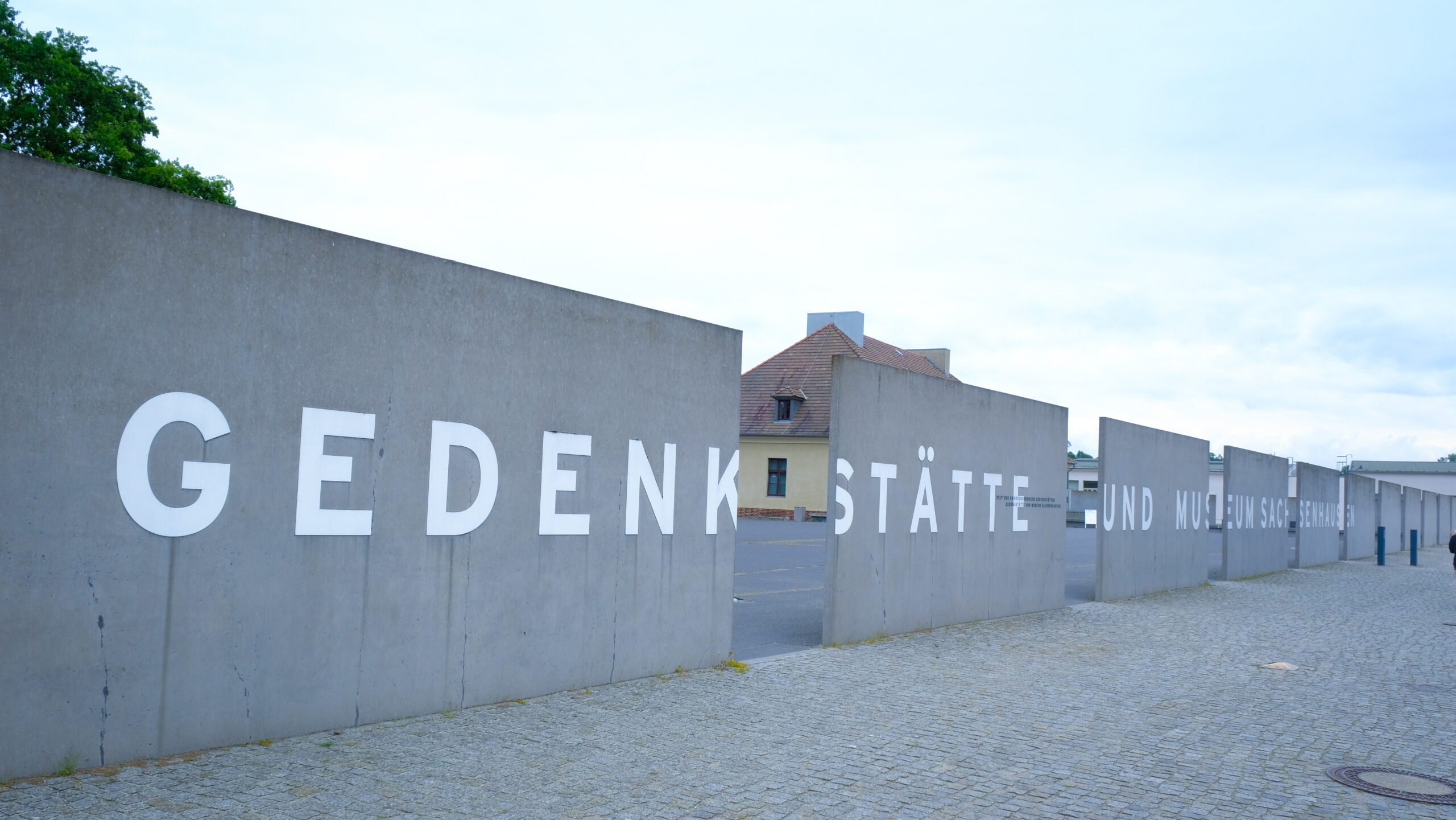
The entrance to the Sachsenhausen Memorial and Museum

Conclusion

Using the Sachsenhausen Berlin map is one of the best ways to understand the memorial, both before and during your visit. The map helps you find key places like Tower A, the Appellplatz, the prisoner barracks, the watchtowers, the punishment cells, Station Z, the museum exhibitions, and the Soviet Memorial.

Each place tells part of Sachsenhausen’s story. Together, they show how the camp worked as a place of surveillance, forced labor, punishment, suffering, and murder. Visiting Sachsenhausen Memorial is not easy, but it is very important. Taking time to learn the map, walk the grounds with respect, and hear the stories behind each area helps honor the victims and keep the lessons of history alive. For a deeper and more meaningful experience, book a guided Berlin concentration camp experience here:

Book Your Berlin concentration camp experience

What Should You Know Before Planning a Day Trip to Auschwitz from Berlin?

If you’re in Berlin and thinking about a day trip to Auschwitz, planning ahead is key. This post will walk you through what you need to know before you go.

Getting from Auschwitz to Berlin

Auschwitz is located in Oświęcim, Poland, about 600 kilometers from Berlin. Here are a few ways to get there from Berlin:

By Train: Step-by-Step Guide

You can also travel by train from Berlin Hauptbahnhof to Oswiecim. The journey takes about 6 hours and includes a few connections. Once you arrive in Oswiecim, you can take a taxi for about 15 kilometers or catch bus 302, which will bring you to the entrance of the Auschwitz memorial.

Visiting the Auschwitz Memorial and Museum

When you visit Auschwitz, keep these points in mind:

The facility of the Auschwitz Memorial and Museum

The Auschwitz Memorial and Museum has two main camps: Auschwitz I and Auschwitz II Birkenau. You can visit both camps during your trip.

Rules and Respectful Conduct

Auschwitz is a memorial site, so it’s important to be respectful. Here are some key rules:

Speak quietly and avoid loud conversations.

  • Walk calmly and thoughtfully.
  • Photography is allowed, but no selfies or inappropriate poses.
  • Follow instructions from staff and guides.

Following these rules is a way to honor the victims.

Additional Tips

Here are some additional tips to help you make the most of your day trip:

  • Book your visit in advance: Since many people visit, it’s best to buy your tickets on the official website, even up to a year ahead.
  • Dress appropriately: Wear comfortable clothes, as you’ll be walking a lot during your visit.
  • Bring snacks and water: There aren’t many cafés inside the memorial, so it’s a good idea to bring your own.
  • Read up before your visit: Learning about Auschwitz and the Holocaust beforehand will help you prepare for what you’ll see and understand the history better.
  • Take your time: Take your time and allow yourself to feel whatever you’re feeling while you’re there.


Is a Day Trip to Auschwitz from Berlin Really Worth It?

Visiting Auschwitz is very different from a regular sightseeing trip. It is a powerful and educational experience that needs time, planning, and respect. Although many people look for a “Berlin to Auschwitz day trip,” Auschwitz is actually in southern Poland near Kraków, and getting there takes much longer than most expect.

Most visitors find it better to visit Auschwitz as part of a short stay in Kraków rather than trying to go back and forth from Berlin in a single day. This way, you have enough time to see both Auschwitz I and Auschwitz II-Birkenau without feeling rushed or tired. Travelers often suggest spending a full day at the memorial. The site is big, the experience can be very emotional, and moving too quickly can lessen the impact of your visit.

Should You Stay in Kraków?

If you have time, it is a good idea to stay one or two nights in Kraków. Kraków is a historic and beautiful city and the main starting point for visiting Auschwitz.

Benefits of staying in Kraków include:

  • Easier access to Auschwitz by bus, train, or organized tour
  • More guided tour availability and entry times
  • Less travel stress compared to a same-day return from Berlin
  • Extra time to explore Kraków’s historic old town and museums

Many people also visit other nearby attractions, such as the Wieliczka Salt Mines, when they visit Auschwitz.

Guided Tours vs Independent Visits

You can visit Auschwitz on your own, but many people recommend guided tours, especially during busy times of the year.

A guided visit can help you:

  • Understand the historical context more deeply.
  • Navigate both camps more efficiently.
  • Access more available entry times
  • Avoid transportation planning between Auschwitz I and Birkenau.

Tickets for independent visits can sell out during busy seasons, especially in summer, so it is best to book early.

How Long Should You Spend at Auschwitz?

Most visitors spend between 4 and 6 hours exploring Auschwitz I and Birkenau together. The memorial grounds are extensive, and there is significant walking involved. Do not underestimate how emotional this visit can be. Many travelers say Auschwitz is one of the most powerful and unforgettable places they have ever been.

Alternative Memorial Sites Near Berlin

If you are only staying in Berlin and do not have time to visit Poland, you might want to visit the Sachsenhausen Memorial near Berlin. Sachsenhausen gives important historical insight into the Nazi concentration camp system and is easy to visit as a day trip from Berlin.

Frequently Asked Questions About Visiting Auschwitz from Berlin

Can you do Auschwitz as a day trip from Berlin?

Technically, you can do it, but the trip is very long and tiring. Most people recommend staying overnight in Kraków rather than trying to go there and back in one day.

How far is Auschwitz from Berlin?

Auschwitz is about 600 kilometers from Berlin. Travel times are usually:

  • 1.5 hours by flight to Kraków plus transfers
  • 6–7 hours by train
  • 6 hours by car

Is Auschwitz in Kraków?

No, Auschwitz is in Oświęcim, which is about an hour from Kraków by bus or train.

Do you need to book Auschwitz tickets in advance?

Yes, you should book your tickets in advance, especially in summer or during holidays. Entry times can sell out weeks or even months ahead.

Is a guided tour worth it?

For most people, yes. Guided tours provide more historical background, help with transportation, and make it easier to access the memorial.

How emotional is visiting Auschwitz?

Many people say visiting Auschwitz is very emotional and challenging. It is important to be respectful and give yourself enough time during and after your visit.

What should you wear to Auschwitz?

Wear comfortable shoes and dress for the weather. You will spend a lot of time outside, especially at Birkenau.

Alternatives to Auschwitz near Berlin?

Yes, the Sachsenhausen Memorial is just outside Berlin. It is one of Germany’s most important memorial sites and is easier to visit if you have limited time.

Visiting Berlin’s Most Important Memorial Site

If you want to learn more about World War II history while in Berlin, our guided Sachsenhausen Memorial Tour offers a powerful and educational experience just outside the city.

Visit our Sachsenhausen Memorial Tour: Sachsenhausen Memorial Tour From Berlin

Thinking about taking the train to Sachsenhausen? We’re here to help you plan your trip.

Are you planning a trip to Berlin and want to learn more about its history?

If so, you should consider visiting Sachsenhausen. It’s in Oranienburg, about 35 kilometers north of Berlin, and was a Nazi concentration camp during World War II. In this post, we’ll explain how to get there by train.

Why Visit Sachsenhausen?

Visiting the Sachsenhausen Memorial is important to learn more about the evils of the Nazi era, and to make sure they never repeat.

Using Public Transport, How to Get to Sachsenhausen

Taking the train is one of the easiest ways to reach Sachsenhausen. Here’s a step-by-step guide to help you get there.

Step 1: Departure from Berlin

Start your journey at one of Berlin’s main train stations: Berlin Hauptbahnhof, Alexanderplatz, or Friedrichstraße. Each of these stations offers a direct connection to Sachsenhausen.

Step 2: How to Choose the Right Train

Sachsenhausen is in Oranienburg, and regional trains run between Oranienburg and Berlin every hour. Look for trains labeled RB (Regionalbahn) or RE (Regional Express). You can check train times on the Deutsche Bahn website or on electronic boards at the stations.

Step 3: Purchasing Tickets

You’ll need to buy your ticket before boarding the train. Tickets are available at the station from ticket machines or at the ticket office.

Step 4: Boarding the Train

Once you have your ticket, check which platform your train leaves from. Platforms are clearly marked with signs, and trains are usually well labeled with their destinations.

Step 5: Journey to Oranienburg

The train ride to Oranienburg takes about 30 minutes. Sit back, relax, and enjoy the views of the German countryside on your way to Sachsenhausen.

Step 6: Arrival at Oranienburg

You can reach Oranienburg from Berlin by taking the S1 train line or a regional train. After you arrive, you can either walk for about 20 minutes or take a short 7-minute bus ride (bus 804 or 821) to get close to the camp entrance.

Visitor Center and Museum

Start your visit at the official visitor center. Here, you can pick up an audio guide or buy books about the camp and the Holocaust. You can also get a site map and explore the camp on your own. Some places you’ll see include the Roll Call Area, Prisoner Barracks, Watch Tower A (the main entrance), Station Z, the former Camp Kitchen, and the Department of Pathology.

Tips for Your Visit

Wear comfortable shoes and dress for the weather, as you’ll be walking most of the time. There’s a café at the camp if you want something to eat, and restrooms are available throughout the site.

Lastly, remember Sachsenhausen has a special status as a place of remembrance. Finally, remember that Sachsenhausen is a place of remembrance, so please visit with respect for the horrors of the past as well as honoring those who lost their lives there.

Helpful Information Before You Visit Sachsenhausen

Many people visit Sachsenhausen on their own because the memorial is well organized and easy to navigate. You’ll find information boards throughout the camp, and audio guides are available at the visitor center for more historical background as you explore.

If you want to learn more about the history, you might like a guided tour of Berlin. Some tours include train travel from central Berlin and a guide who shares historical background during the trip and at the memorial. These tours are helpful for first-time visitors who want more structure and detailed explanations.

Sachsenhausen is a large memorial site, so it’s best to plan at least 4 to 6 hours for your visit, including travel from Berlin. Many people don’t realize how big the grounds are or how much walking is involved.

Most of the memorial is outdoors, so the weather can really affect your visit. In colder months, it can feel even colder because of the open spaces and wind. Bring water, snacks, and appropriate clothing for the weather to stay comfortable.

You can take photos in most outdoor areas, but please remember to be respectful at all times. Sachsenhausen is an important memorial that honors the victims of the Nazi regime.

Frequently Asked Questions About Visiting Sachsenhausen

Is Sachsenhausen free to visit?

Yes. Entry to the Sachsenhausen Memorial and Museum is free. Yes, entry to the Sachsenhausen Memorial and Museum is free. Some exhibitions, audio guides, or guided tours may cost extra, and donations are welcome to help preserve the memorial. A fee is required for general entry if you are visiting independently. However, guided tours from Berlin often require advance booking, especially during busy travel seasons.

Can I visit Sachsenhausen without a guide?

Yes, many people visit on their own and use the information boards and optional audio guides from the visitor center. This way, you can explore the memorial at your own pace.

How long should I spend at Sachsenhausen?

Most visitors spend between 2 and 4 hours at the memorial. Most people spend 2 to 4 hours at the memorial. With travel from Berlin, it’s best to set aside at least half a day for your visit.ren?

The memorial contains disturbing historical content related The memorial includes difficult historical content about the Holocaust and Nazi crimes. Parents should decide if a visit is appropriate based on their children’s age and maturity.a café and visitor facilities near the memorial, where you can buy drinks and light food. Many visitors also bring their own water and snacks, especially during longer visits.

What is the easiest way to reach Sachsenhausen from Berlin?

The easiest way is usually to take a regional train or the S1 train to Oranienburg station, then either take a short bus ride or walk to the memorial entrance.

Can I return to Berlin on my own after the tour?

Yes, trains between Oranienburg and Berlin run regularly all day, so you can return whenever you’re ready.

Is there an audio guide available?

Yes, audio guides are usually available at the visitor center in several languages. They can help you learn more about the site’s history as you walk through it.

What should I wear when visiting Sachsenhausen?

Wear comfortable walking shoes and dress for the weather. Most of the memorial is outdoors, and you’ll likely walk long distances during your visit.

Considering a Guided Berlin concentration camp experience

You can visit Sachsenhausen on your own, but many travelers choose a guided tour from Berlin to better understand the memorial’s history and significance. A good guide can share important historical context, personal stories, and detailed explanations that are hard to get on your own.

Our Sachsenhausen Memorial Tour includes transport from Berlin, experienced local guides, and the chance to explore one of Germany’s most important memorial sites in a respectful and informative way.
Learn more about our Berlin concentration camp experience

A group of people at the Sachsenhausen concentration camp

How can I plan a meaningful day trip to a concentration camp near Berlin?

If you are going to be in Berlin and wish to incorporate a day trip to the Sachsenhausen Memorial, this guide will assist on how to optimize your trip.

Concentration Camps: How to Make the Right Decision

Guide Richars points to a map at Sachsenhausen, explaining the historic site.

There are a few former concentration camps within 1.5 – 2.5 hour train journeys from  Berlin and each of them has its own story. Some of the most notable ones include:

  • Sachsenhausen: Was the closest camp to the capital of Nazi Germany. It was a camp where many ideas where tried out and later applied on a grander scale elsewhere. 
  • Buchenwald: Located close to Weimar, is a camp where tens of thousands of people were killed as it was used during both the National Socialist and Soviet eras. 
  • Ravensbrück: Was the only specifically female camp in the Nazi System. It is estimated over 40,000 women were killed there. Also over 800 babies were born at the camp.

The hallway with multiple doors at Sachsenhausen Memorial and Museum

Getting There

Here are a few options:

  • Train: Sachsenhausen can be reached easily by public train. To get to Ravensbrück you would have to take a Regional train to Fürstenberg, plus a short bus ride (ca. 90 kilometers north of Berlin) Reaching Buchenwald is a 2.5 hour journey on an ICE train, plus a short bus ride
  • Bus Tours: Tour operators exist whose main service is picking tourists from whichever destination they find themselves, and taking them to the memorial of choice. 
  • Car Rental: The flexibility to visit a number of camps in one day is however available when one rents a car. But do not forget that some of the camps may be endowed with few parking spaces.

What to Expect

When you are in a concentration camp, here are some things to keep in mind:

  • Respectful Attire: There’s no need to dress up, it is however advisable to dress decent as a mark of respect to the victims.
  • Quiet Reflection: When in the camp, keep a low voice and be respectful.
  • Photography: Although you can carry your cameras without much restriction, do not take displeasing and rude photos. 
  • Guided Tours: You may want to consider doing this, choosing a guided tour offered by an official tour company or one programmed by the camp in question. With a guide, one is able to get more of understanding of what is being seen.
  • Emotional Impact: Touring around a concentration camp can be quite overwhelming, so be prepared. 

Visitors inside a reconstructed barrack at the Sachsenhausen Concentration Camp

How emotionally hard is visiting Sachsenhausen?

Visiting can be more emotional than many people expect. The memorial is large and quiet, with a powerful history. It is normal to need some time afterward to think about what you have seen and learned.

Can I visit Sachsenhausen and return to Berlin in one day?

Yes, you can. Sachsenhausen is one of the easiest concentration camp memorials to reach from Berlin for a day trip. Most people return to Berlin in the afternoon or evening.

Is it better to take a guided tour or go on your own?

It can be hard to understand the full history from just the signs. A guided tour can help. Many visitors find that guides make the events, places, and personal stories easier to connect with.

What should I wear to the memorial?

Most of the memorial is outdoors, so wear comfortable shoes and dress for the weather. Because of the site’s history, it is best to dress respectfully.

Are there any food or café facilities around Sachsenhausen?

You will find small cafes and shops in Oranienburg near the memorial entrance. Still, many visitors choose to bring their own water and snacks for the day.

When is the best time to visit Sachsenhausen?

The memorial is open all year. Spring and autumn are usually the best times for walking tours, but winter visits can also feel especially thoughtful and quiet.

Need help with transport?

If you need help with transport, historical information, or planning your visit, take a look at our Berlin history and Berlin concentration camp experience

A group of visitors, including adults and children, on a guided tour of the Sachsenhausen Concentration Camp Memorial

Conclusion

They say “those that do not learn their history are doomed to repeat it.“  Learn as much as you can about the rise of the Nazis and the tricks that they used to paralyze people with fear. Learn how the nazis brain washed the next generation and took over every aspect of life. Learn the dangers of racism, nationalism, militarism and every other aspect of fascism, so that these evil horrors are never repeated.  

Ready to Experience History?

Daily departures from Berlin. Small groups. Expert historians. €44 per person.

Tours fill up quickly during peak season — secure your spot today.

You have Successfully Subscribed!

Pin It on Pinterest