The Holocaust was one of the darkest times in world history. During World War II, millions of people suffered in camps run by the Nazi government. Berlin played a major role during this period, but many of the most known sites were concentration camps located outside Berlin. These places were spread across Germany and nearby regions, and each site holds painful memories of the past.
This article explains the main concentration camps located outside Berlin, their history, and why these sites are still important today. The goal is to provide clear information in simple language so that anyone can understand the events of that time.
What Were Concentration Camps?
Concentration camps were prisons created by the Nazi regime. They held people who were seen as “threats” or “unwanted.” These included:
-
Jews
-
Political prisoners
-
Roma (Gypsies)
-
Homosexuals
-
Disabled people
-
Prisoners of war
-
Many other groups
Life inside the camps was very hard. Prisoners faced long hours of forced labor, hunger, violence, and sickness. Many did not survive. Learning about these places helps us understand the dangers of intolerance and hatred.
Sachsenhausen Concentration Camp (Oranienburg, Near Berlin)
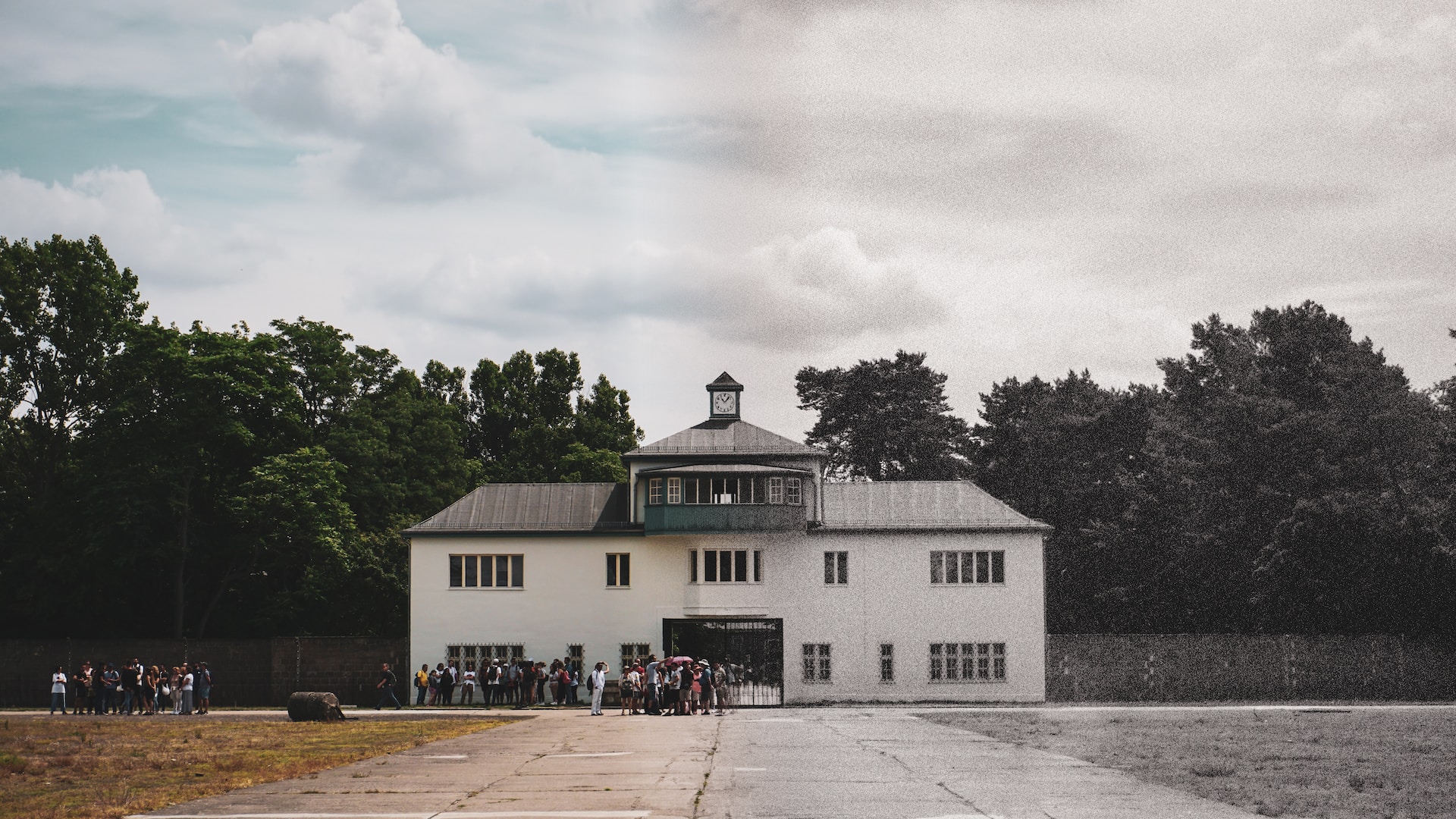
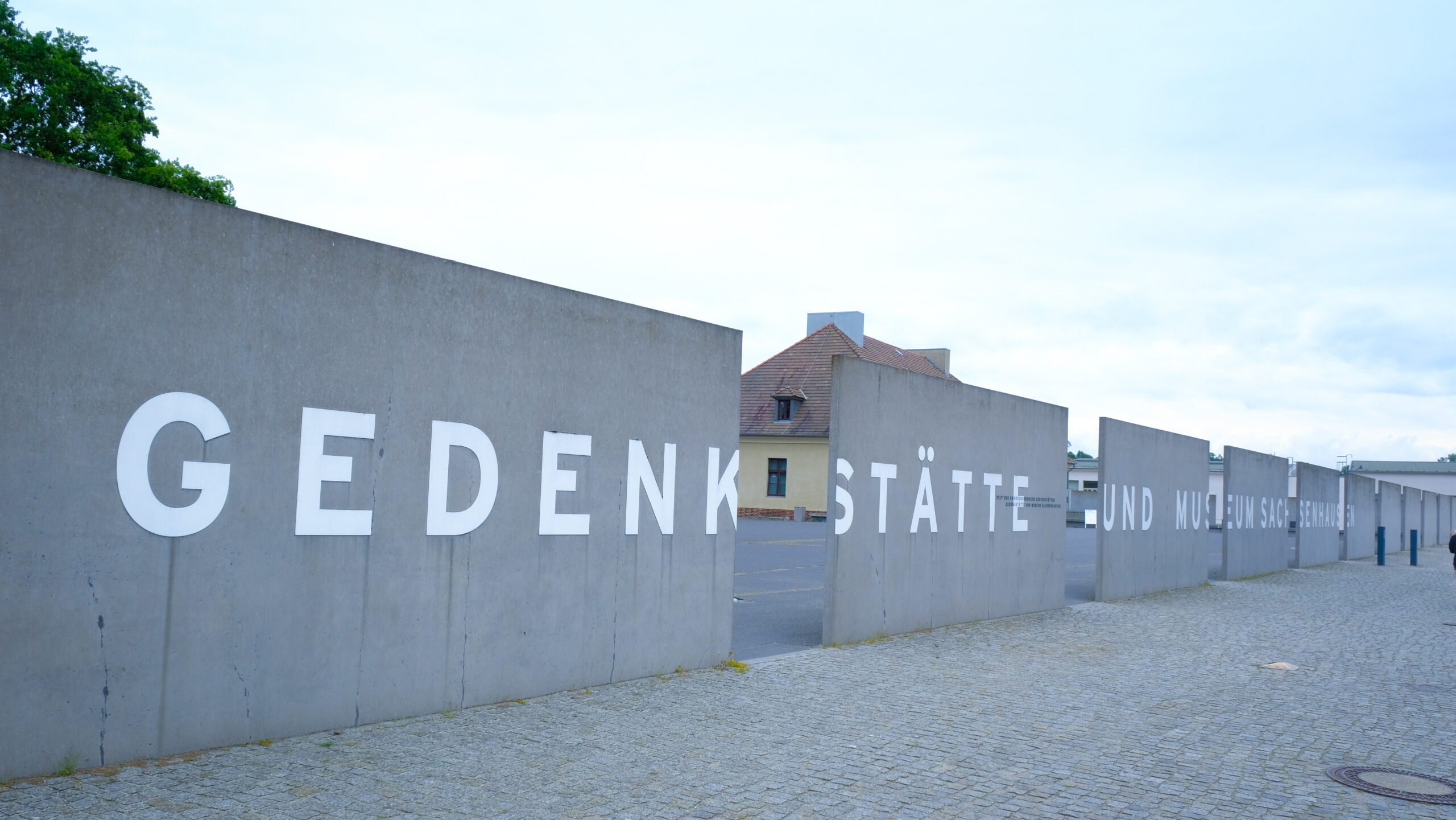
Sachsenhausen is one of the closest concentration camps located outside Berlin. It opened in 1936 in Oranienburg. At first, it held political prisoners, but later many different groups were sent here.
Sachsenhausen became a model for many other camps. SS officers trained here before working in other locations. Prisoners suffered through cold weather, long work hours, and poor living conditions.
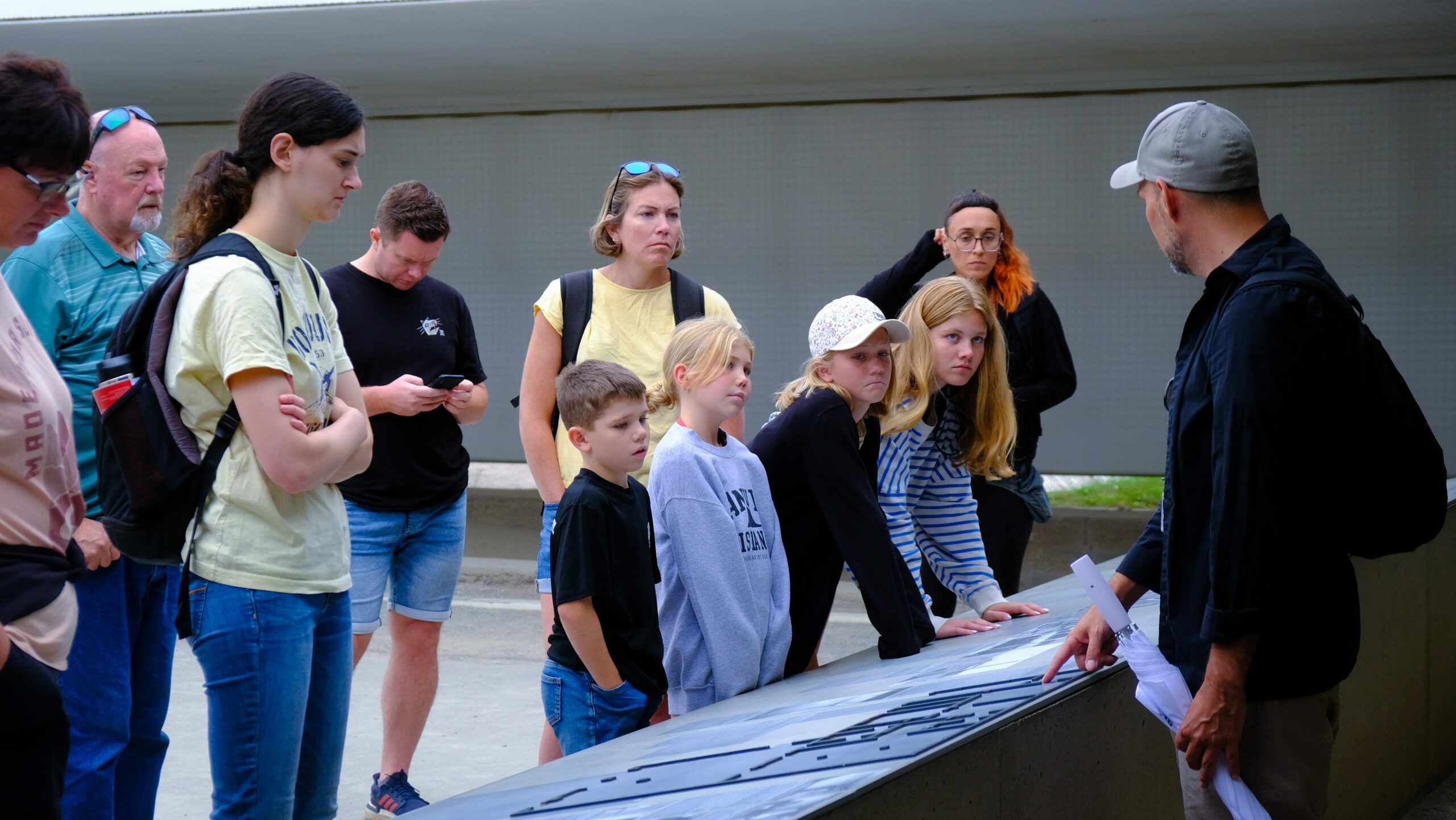
Today, Sachsenhausen is a memorial site and museum. Visitors can see the original grounds, exhibitions, and information about the victims who lived through these terrible conditions.
Buchenwald Concentration Camp (Near Weimar, Central Germany)
Buchenwald was one of the biggest concentration camps located outside Berlin. It opened in 1937 near Weimar and held a wide range of prisoners, including Jews, Roma, political prisoners, homosexuals, and prisoners of war.
The camp was large, with many subcamps spread around the area. Prisoners worked in factories and often suffered from hunger, illness, and violence. The location made it easy for the Nazis to transport people from different parts of Europe.
Today, visitors can see the remains of the camp, memorial stones, and exhibitions that explain the history of Buchenwald.
Dachau Concentration Camp (Near Munich, Southern Germany)
Dachau was the first Nazi concentration camp. It opened in 1933 and quickly became a model for the entire camp system. Although many people think of camps near Berlin, Dachau is another major name among concentration camps located outside Berlin.
At first, Dachau held political prisoners. Later, Jews and many other groups were kept here. Dachau grew into a huge camp with many subcamps. Prisoners faced violence, hunger, and very hard labor.
Today, Dachau is one of the most visited memorial sites in Germany. It has a museum, exhibitions, and preserved areas that help people understand what happened there.
Mauthausen Concentration Camp (Upper Austria)
Mauthausen is one of the most dangerous and deadly concentration camps located outside Berlin. It opened in 1938 in Austria, near a stone quarry. Prisoners were forced to carry very heavy rocks up steep steps every day, which was extremely painful and often deadly.
At first, the camp held political prisoners. Later, Jews, Roma, homosexuals, and prisoners of war were brought here. The cold weather, long work hours, and very little food made survival extremely difficult.
Today, Mauthausen is a memorial with preserved buildings and museum exhibitions that explain its tragic history.
Other Known Camps Outside Berlin
There were many more concentration camps located outside Berlin, each with a painful story. Some of them include:
• Ravensbrück (Northern Germany – Women’s Camp)
Ravensbrück was one of the largest camps made only for women. Many of them worked in factories under harsh conditions.
• Flossenbürg (Bavaria, Near Czech Border)
Prisoners were forced to work in stone quarries and plane factories here.
• Neuengamme (Near Hamburg)
This camp had more than 80 subcamps. Prisoners worked in dangerous industrial environments.
These camps show how widespread the camp system was.
Why Learning About These Camps Is Important
Studying the concentration camps located outside Berlin helps us understand how large and organized the Nazi camp system was. These sites teach us:
-
how many lives were affected
-
how widespread the camps were
-
how people survived terrible conditions
-
why human rights must be protected
When we remember these events, we honor the victims and learn why hate and discrimination must never be allowed to grow again.
Final Thought
The major concentration camps located outside Berlin—such as Sachsenhausen, Buchenwald, Dachau, Mauthausen, and others—each tell a story of suffering and loss. These sites help us understand the scale of the Holocaust and the pain that millions experienced.
By reading about these camps or visiting the memorials, we show respect to the victims and learn important lessons about humanity, kindness, and peace. Remembering this history helps us build a better future.