In this blog entry, we will examine the experiences and significance of the Berlin Oranienburg death camp which played a significant role throughout The Second Great War. We will look at its motivation behind its actions as well as at the tasks it performed that impacted its detainees as well as holocaust history in general.
Origins of the Berlin Oranienburg Death Camp
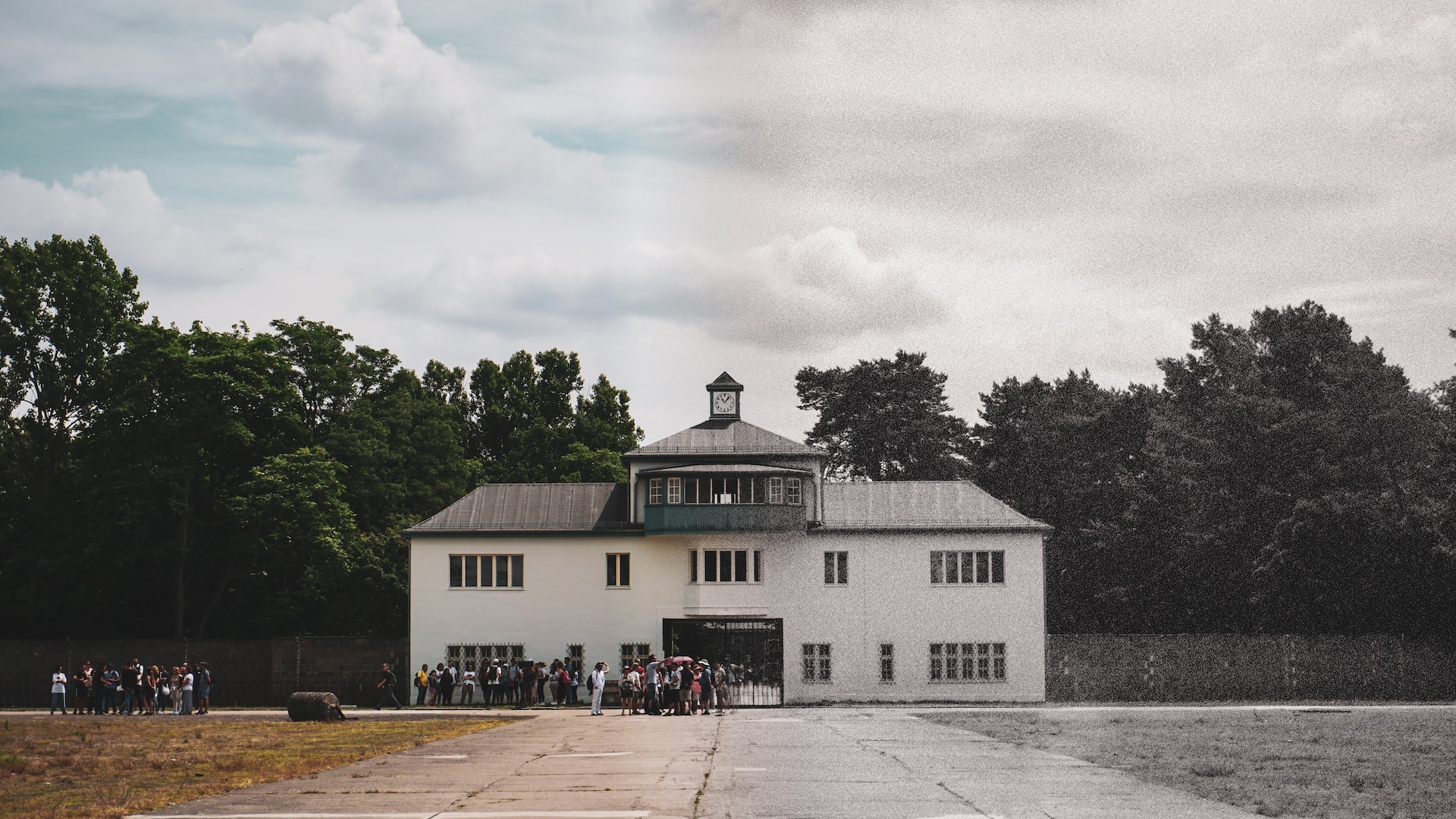
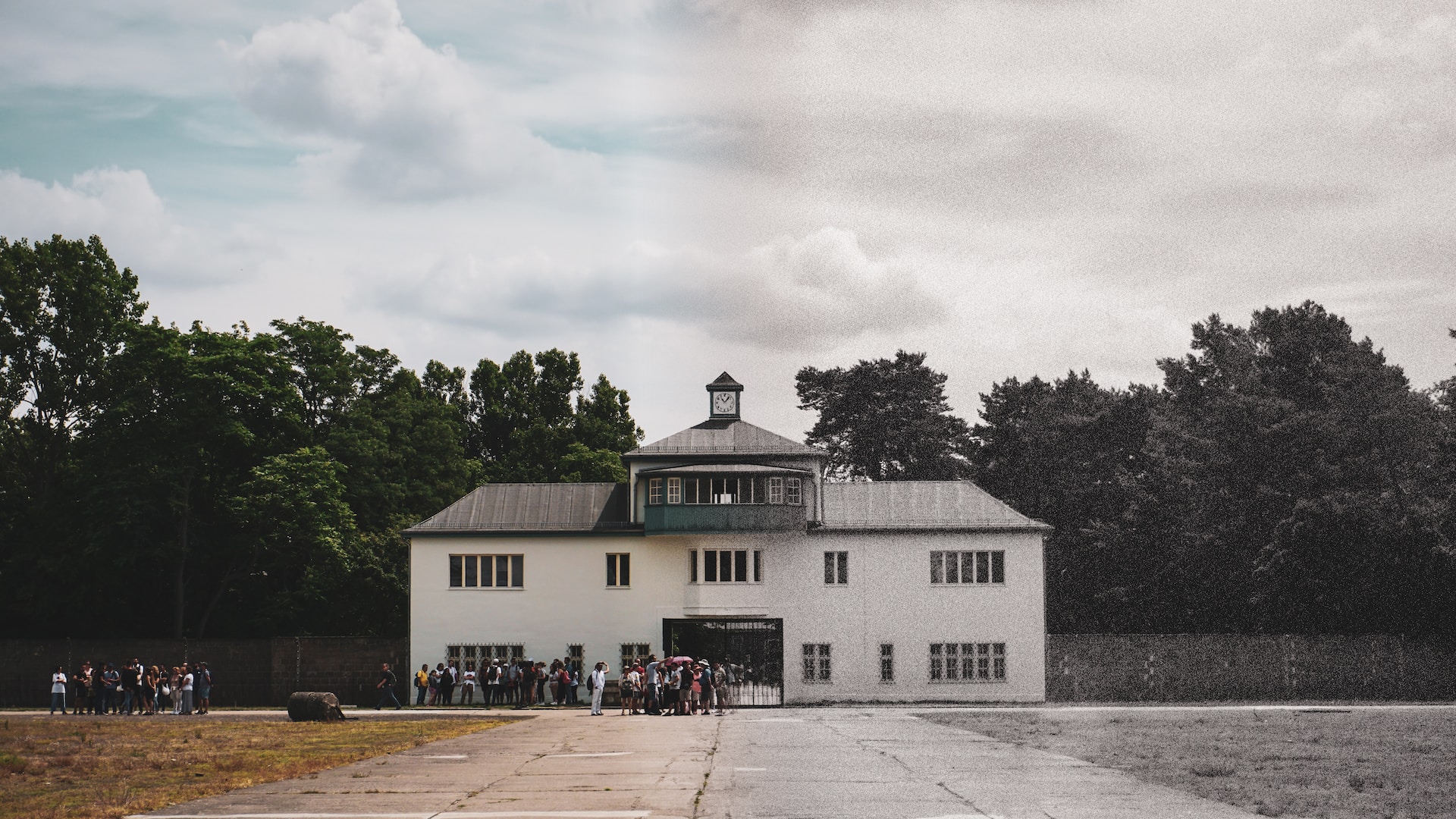
Otherwise known as Sachsenhausen, the Berlin Oranienburg death camp was designed and developed by the Nazi system in 1935. Located in Oranienburg, just north of Berlin, Germany it became one evident of one of the first and largest death camps.
Purpose and Operation
The insistence of inhumane imprisonment at Berlin Oranienburg was to confine and ruthlessly exploit various saw foes of the Nazi regime. These were the political demonstrators, gays, Jehovah’s Witnesses, Romany, and any other activist groups for that matter. The camp also imprisoned countless Jews and especially during the later periods of the Second Great War.
Sachsenhausen was at first planned to be a showcase camp meant for Nazi misleading propaganda. It served as an instructional facility for SS personnel, who might move on to staff other death camps, too. They divided the camp into several compounds of the encampment, and there was a special section for executions, clinical experiments, and other methods of tragic actions.
Living Conditions
Every day in the Berlin Oranienburg death camp prisoners were treated cruel and they lacked any basic comfort. Inmates bore extreme population density with insanitary conditions; many of them hardly getting access to food, clothes or medical attention. Constricted work was an authoritative component of the camp’s activities and prisoners were taken through exhaustive work in the neighbour industrial units, construction projects and, indeed, in the camp itself.
Surviving in Sachsenhausen required endurance of hunger, illness, death, humiliation and hardship. Pretrial detainees encountered assault, torment, and one reiteration of executions for exhaustive sanctions or – all the more regularly – simply to instill apprehension. Those who could not perform the camp’s ruthless work demands or found out to be ill, were most of the time subjected to more abuse or sent to extermination camps.”
Significance and Liberation
It can be said that the Berlin Oranienburg death camp became a major organizer in the general scheme of the Nazi mastery and destruction paradigms of the world. Its essential region near the hub like that of the capital considered straightforward access to political opponents and provided correspondence with the large Nazi formations.
Sachsenhausen additionally could outline itself by a large network of subcamps stretching throughout the Greater Germany and beyond. I think that it served as an example of subsequent inhuman imprisonments with regards to the turn of events and the expansion of the concentrated organization of the camps.
The camp remained operational until its liberation by Soviet troops in April 1945. When they arrived, the soldiers found roughly 3,000 starving and sick detainees, many of whom were close to death.
Remembering the Victims
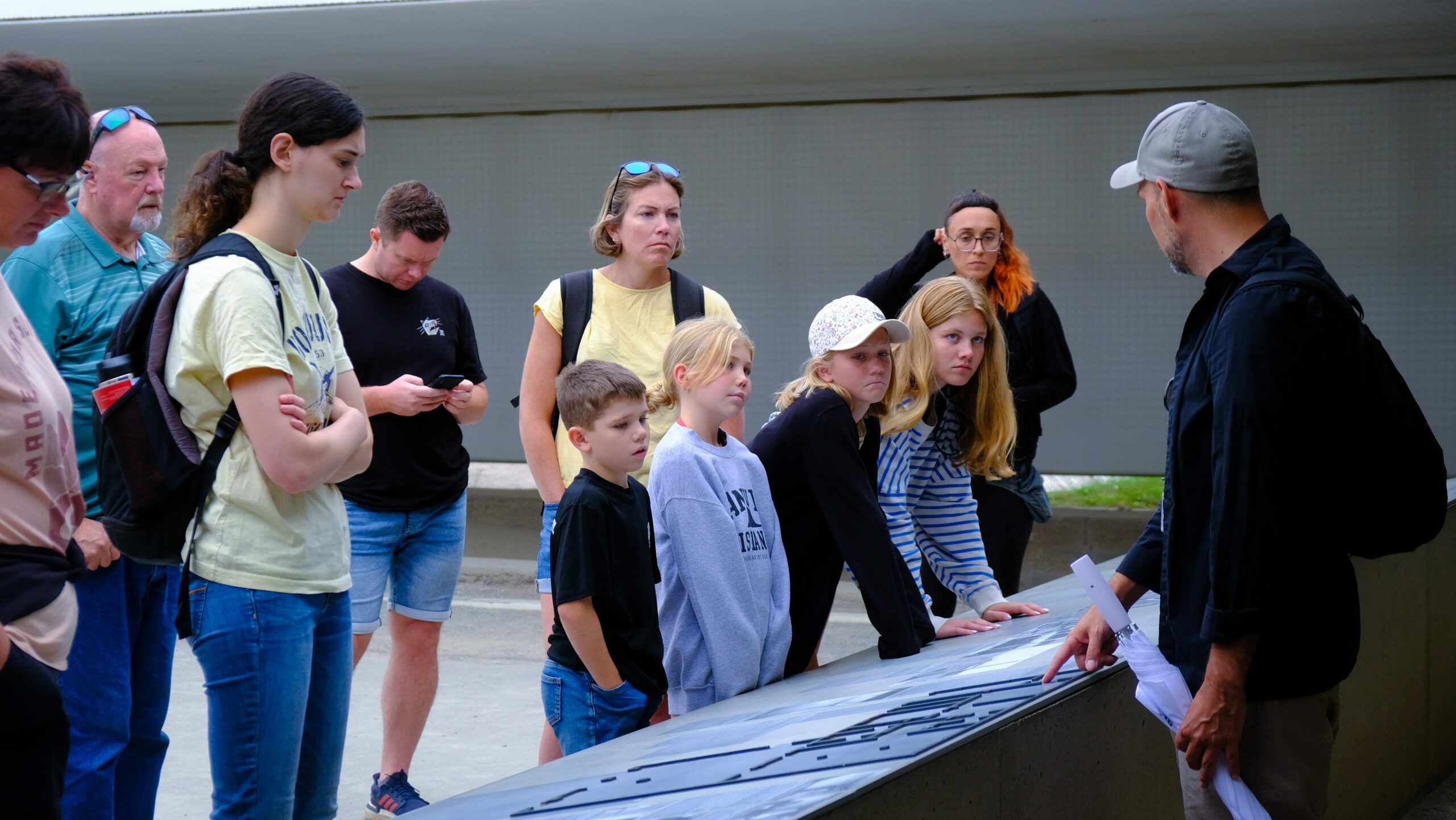
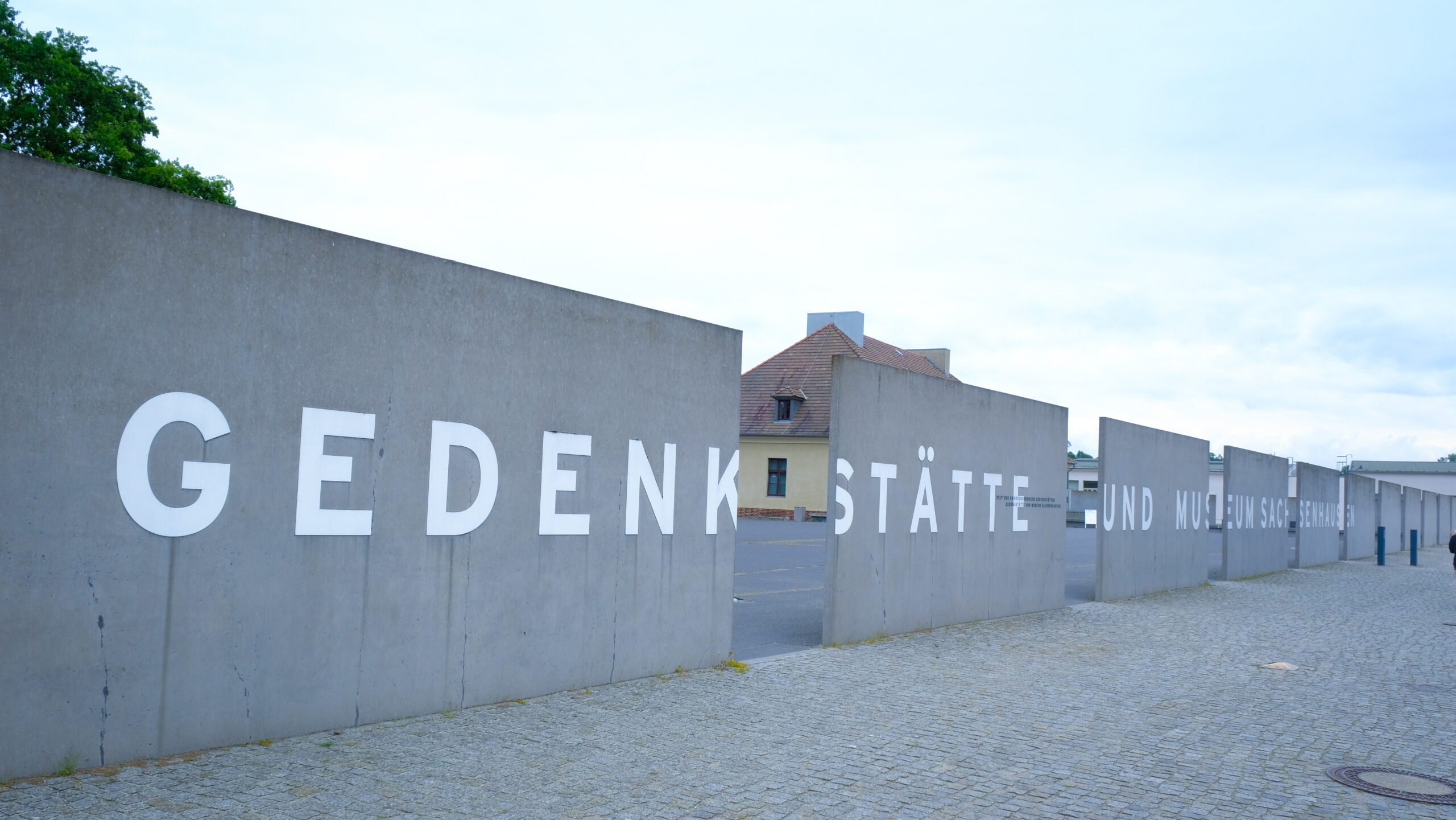
To date, the Sachsenhausen Commemoration and Gallery continues to be located at the former Berlin Oranienburg inhumane imprisonment. It acts as a symbol of despises carried out during the holocaust and provides a place of appreciation, contemplation and education.
Visitors gain a better understanding of the atrocities that occurred. It also allows them to express appreciation to the survivors who endured tremendous loss within the camp.
Conclusion
The Berlin Oranienburg death camp otherwise known as Sachsenhausen played a great role in the orderly annihilation of people in the second great war. Its motivation, activities and the circumstances observed by its detainees include the feature of the Holocaust thought process.
Knowledge about experiences and the impact of inhumane imprisonments like Berlin Oranienburg is essential to pay respect to the victims. It also helps prevent such atrocities in the future and ensures that such horrific incidents happen very rarely, if at all.