Visiting Auschwitz from Berlin is more than a simple day trip—it’s a journey of remembrance, history, and reflection. Auschwitz-Birkenau is one of the most significant sites of the Holocaust, honoring the memory of millions of victims.
For travelers in Berlin, planning this visit can feel overwhelming. Questions like “Which transport is best?”, “Should I book a guided tour?”, or “What should I expect emotionally?” are common. This guide provides everything you need to plan a respectful, smooth, and meaningful visit to Auschwitz from Berlin.
It is possible to get a general idea of getting to auschwitz from Berlin can be from the following;
Best Ways to Travel from Berlin to Auschwitz
There are three main ways to travel: train, bus, and private car/tour. Each has its pros and cons.
1. By Train
Taking the train is fast, reliable, and comfortable.
Route: From Berlin Hauptbahnhof, you can travel directly to Oświęcim, the town near Auschwitz.
Duration: About 6 hours one way.
Tips:
Take the earliest morning train to maximize your time at Auschwitz.
Book tickets online in advance to secure seats.
Bring snacks and water for the journey.
Trains are ideal for travelers who prefer independence and comfort.
2. By Bus
Buses are a cost-effective alternative.
Duration: Approximately 8 hours.
Companies: Many bus operators connect Berlin to Oświęcim. Check schedules online for up-to-date options.
Pros: Cheaper than trains.
Cons: Slower, fewer departure times, longer journey may be tiring.
3. By Car or Private Tour
For maximum flexibility:
Driving yourself: Takes about 6–7 hours. You can stop along the way and plan your own schedule.
Private guided tour: Includes transport, entry, and expert guide—ideal for those wanting a stress-free experience.
Planning Your Visit
Booking a Guided Tour
A guided tour is highly recommended for several reasons:
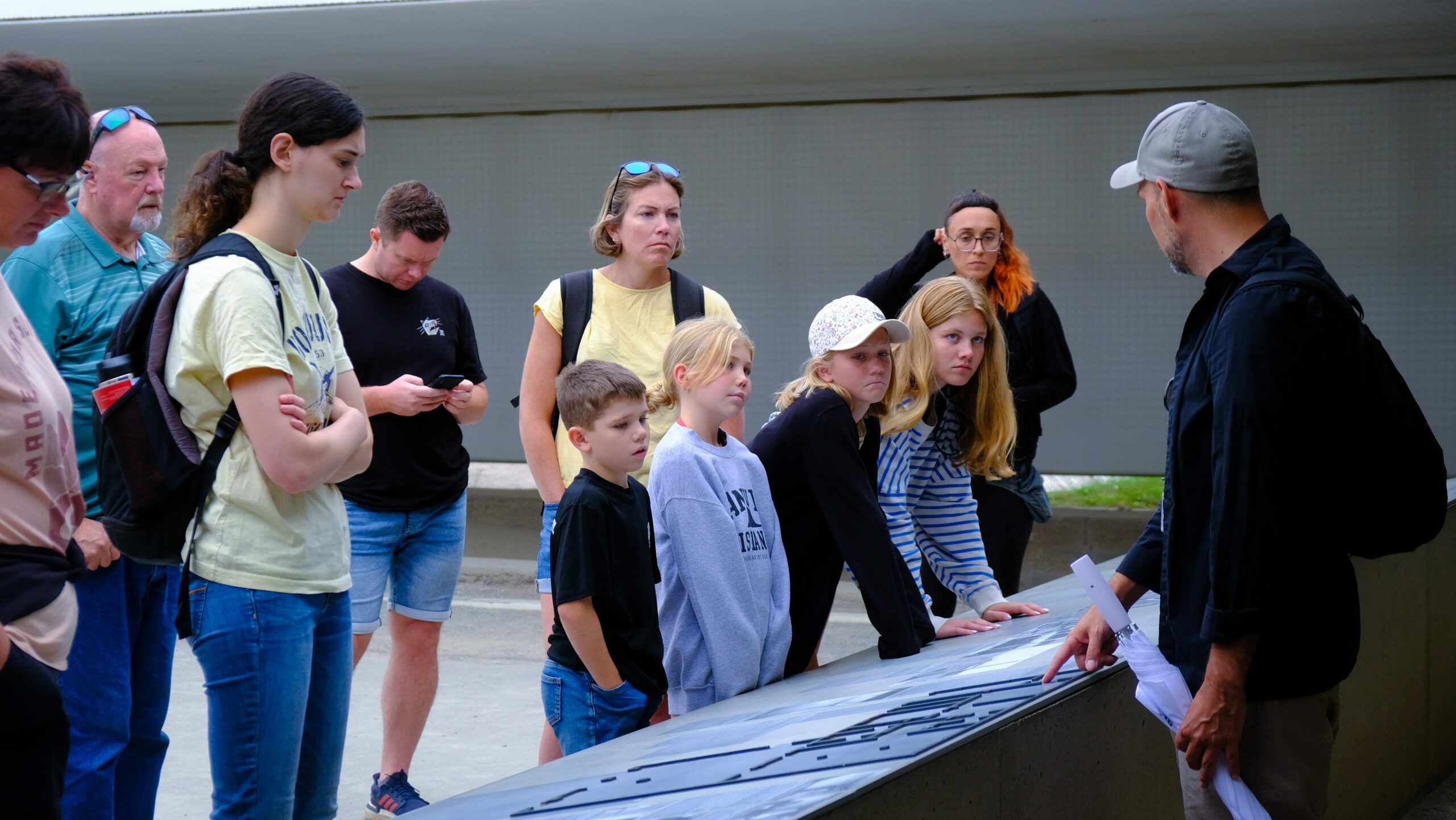
Guides provide historical context, stories, and detailed explanations of the camp’s layout.
Tours prevent visitors from missing significant areas.
You can book online or at the site, but online booking guarantees your spot.
Tips:
Choose official tours offered by Auschwitz Memorial to ensure authenticity.
Group tours usually last 3–4 hours, which is ideal for a day trip.
Entry Tickets
Auschwitz uses timed entry tickets to manage visitor flow.
Buy tickets online to avoid disappointment, especially in high season (spring and summer).
Bring a printed or digital copy of your ticket.
Tickets are free at the Memorial, but guided tours require payment.
Best Time to Visit
Season: Spring and fall offer milder weather and fewer crowds.
Weekdays: Less crowded than weekends.
Morning visits: Allow more time to explore both Auschwitz I and Birkenau.
What to Expect at Auschwitz
Visiting Auschwitz can be emotionally challenging, so it’s essential to be prepared:
Respectful Attire
To be in respect of the victims, dressing code is appropriate, don’t wear any kind of attractivewear or dresses and comfortable shoes too because you will be covering so many kilometers on foot for several hours. Bear in mind that the camp is both indoor and outdoor setting, therefore wear appropriate dress code to the prevailing climate.
Photography Restrictions
Auschwitz necessarily has banned some types of shots in some regions of the camp. Ensure that avoid using camera in areas that are prohibited to do so in order to respect the culture.
Emotionally Taxing Experience
You should be emotionally ready for a visit, because the atmosphere in the Auschwitz camp is rather sad. People need to pay attention on the important activity they have to perform and also they should not forget the historical importance of the particular place.
Conclusion
Visiting Auschwitz from Berlin is not just a trip—it’s a deeply moving educational experience. With proper planning, transportation, tickets, and emotional preparation, your visit can be smooth, respectful, and unforgettable.
By following this guide, you can focus entirely on learning and reflection, ensuring your journey is meaningful and complete.