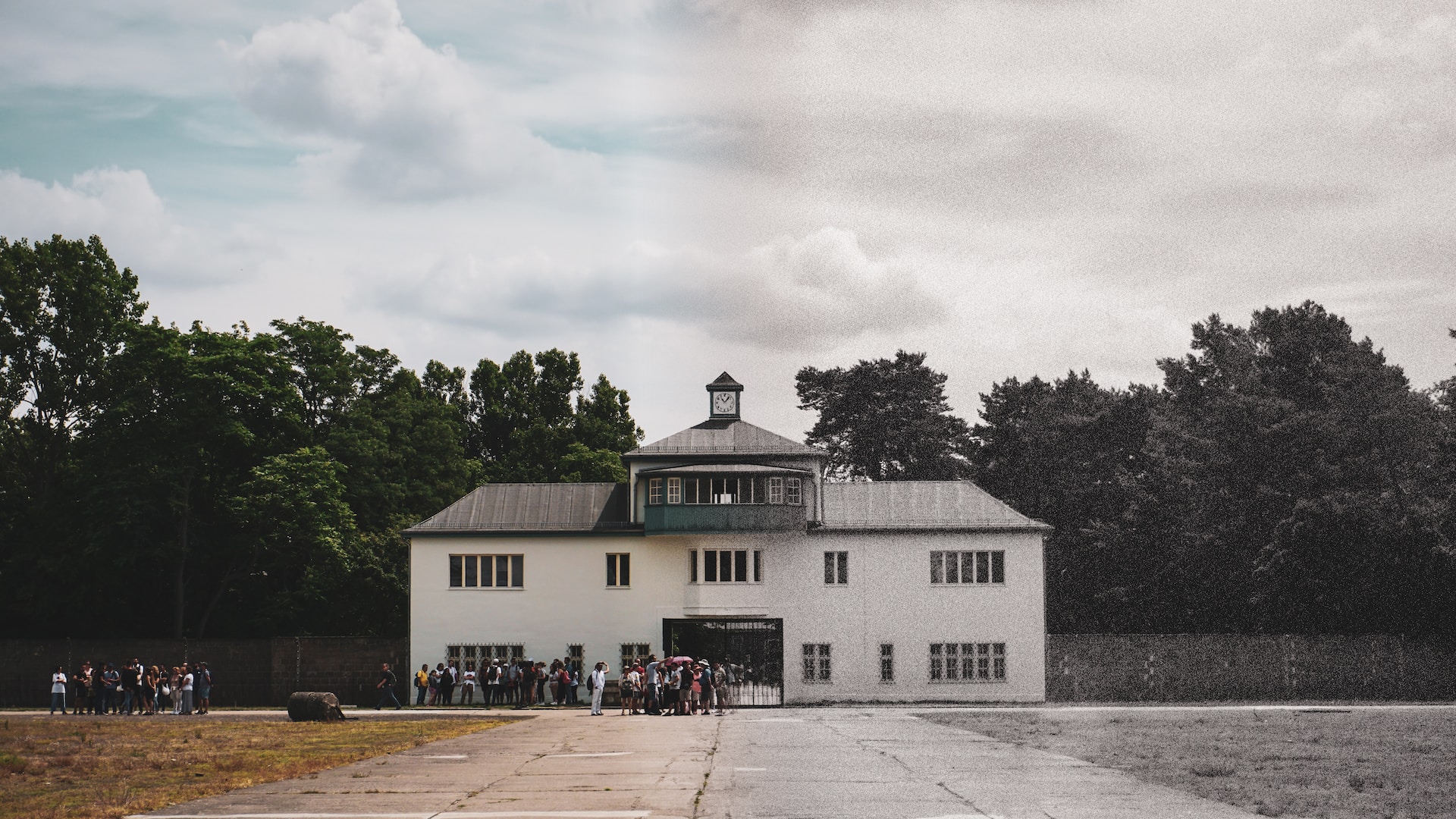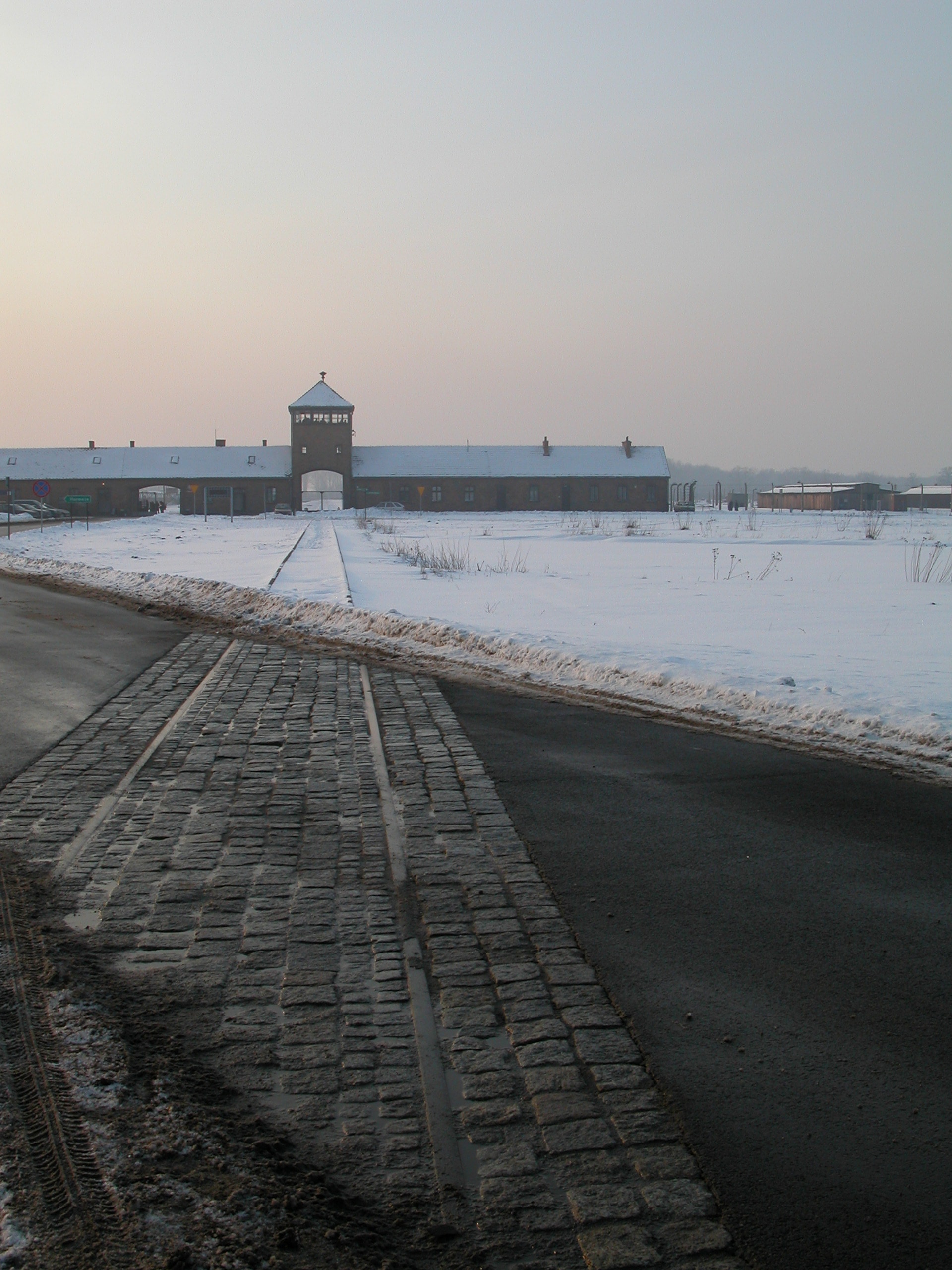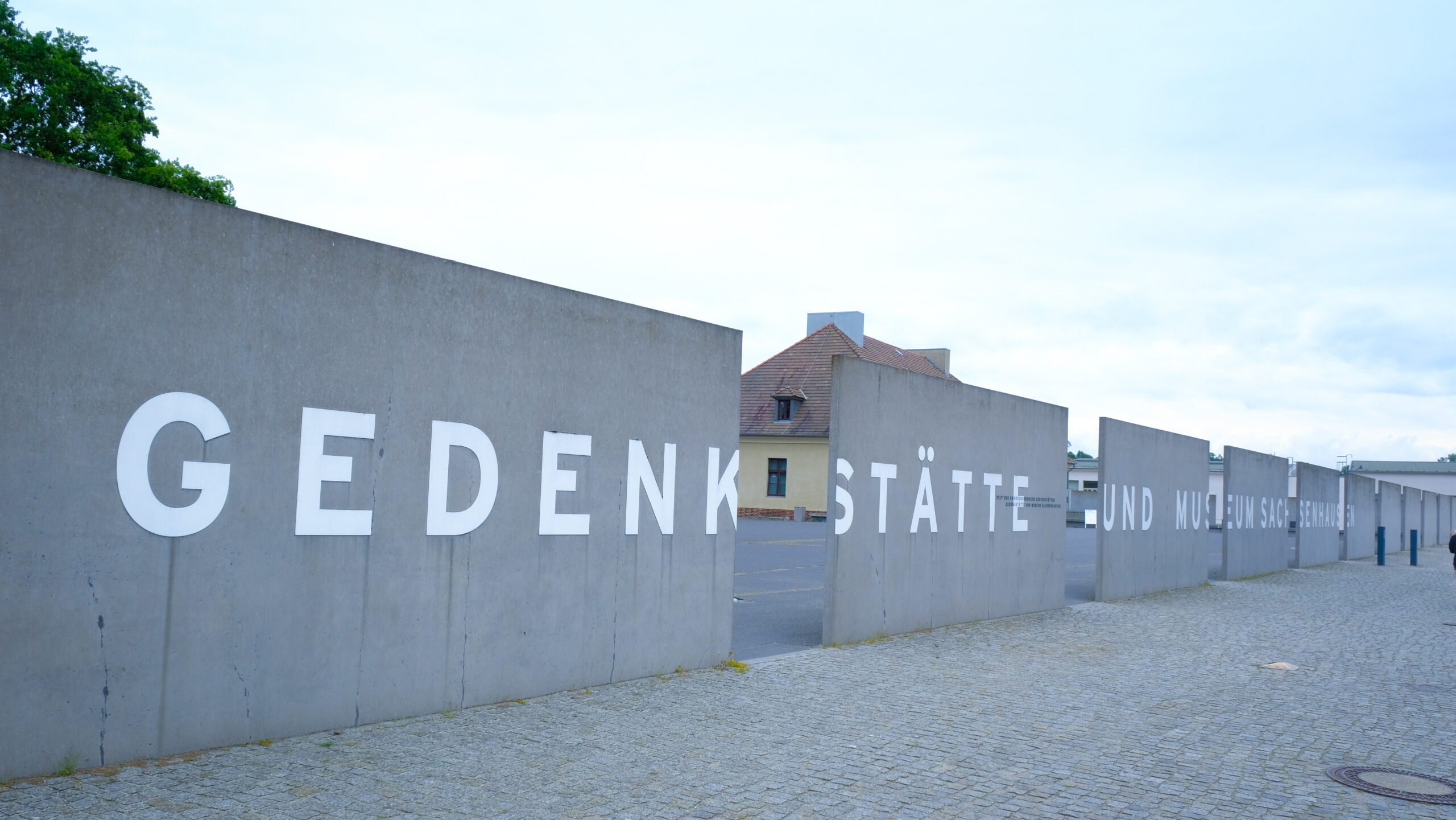
Sachsenhausen Concentration Camp, located in Oranienburg, Germany, was one of the first and most significant Nazi concentration camps built during World War II. Opening in 1936, the camp became a symbol of oppression and the atrocities committed by the Nazi regime.
Purpose Behind Sachsenhausen Concentration Camp
Sachsenhausen Concentration Camp was among the camps inaugurated by the Nazi regime, as a showpiece concentration camp. Originally it was used as a prison for political criminals, Communists and Social-Democrats and all those who did not agree with Hitler. Later in the camp added other groups of people who were persecuted, for example, Jews, homosexuals, and Jehovah’s Witnesses.
Life and Conditions at Sachsenhausen Concentration Camp
The general living conditions in the Sachsenhausen Concentration Camp were extremely poor and this was because it was the policy of the camp administrators that the inmates in the camp should suffer. Corpus of proven violations incorporated inhumane treatment in prisoners included force labor, starvation, corporal punishment, medical experiments, and torture by the death squad SS. Due to high population density, and poor hygienic facilities as well as the perennial terror and instability, life in the camp was hellish.
Sachsenhausen Living Quarters and Accommodation
In the concentration camp, the prisoners at Sachsenhausen lived in barracks; a number of barracks could hold hundreds of inmates. The accommodation was tight, and most of the structures did not even have proper standards of living. Some prisoners lay on wooden boards and many of them did not even have blankets or warm clothes as well as no source of heat and they hard time sleeping.
Work and Forced Labor
MOST prisoners were compelled to undertake hard, back breaking work, and these covered construction, manufacturing and other forms of labor. In many cases, they were exposed to long hours of work and work in very dangerous situations with little or no regard to their safety to health. The conditions at the work sites reduced productivity. They were harsh in the extreme, and prisoners often received beatings and wounds. Sometimes, they even died of total exhaustion.
Prisoner Population at Sachsenhausen Concentration Camp
While in existence, the Sachsenhausen Concentration Camp housed an estimated 200, 000 prisoners of all sorts. Most of the prisoners here were either killed, starved to death, or succumbed to sickness. Some were moved to other camps. The camp also became a concentration site where gas chambers and crematoriums were used to kill and burn the prisoners.
Liberation of Sachsenhausen Concentration Camp
Sachsenhausen Concentration Camp was liberated by the Soviet Red Army on 22, April 1945. The remaining inmates of this camp were liberated and the rest of the SS personnel captured alive. Thus ended the here-‘s of Sachsenhausen which its liberation signified.
Tripping to Sachsenhausen Concentration Camp Memorial Site
Sachsenhausen Concentration Camp is also now a museum so tourist can come and witness what really happened during Nazi’s time. If you plan to visit, here are some essential tips:
Plan Your Visit in Advance
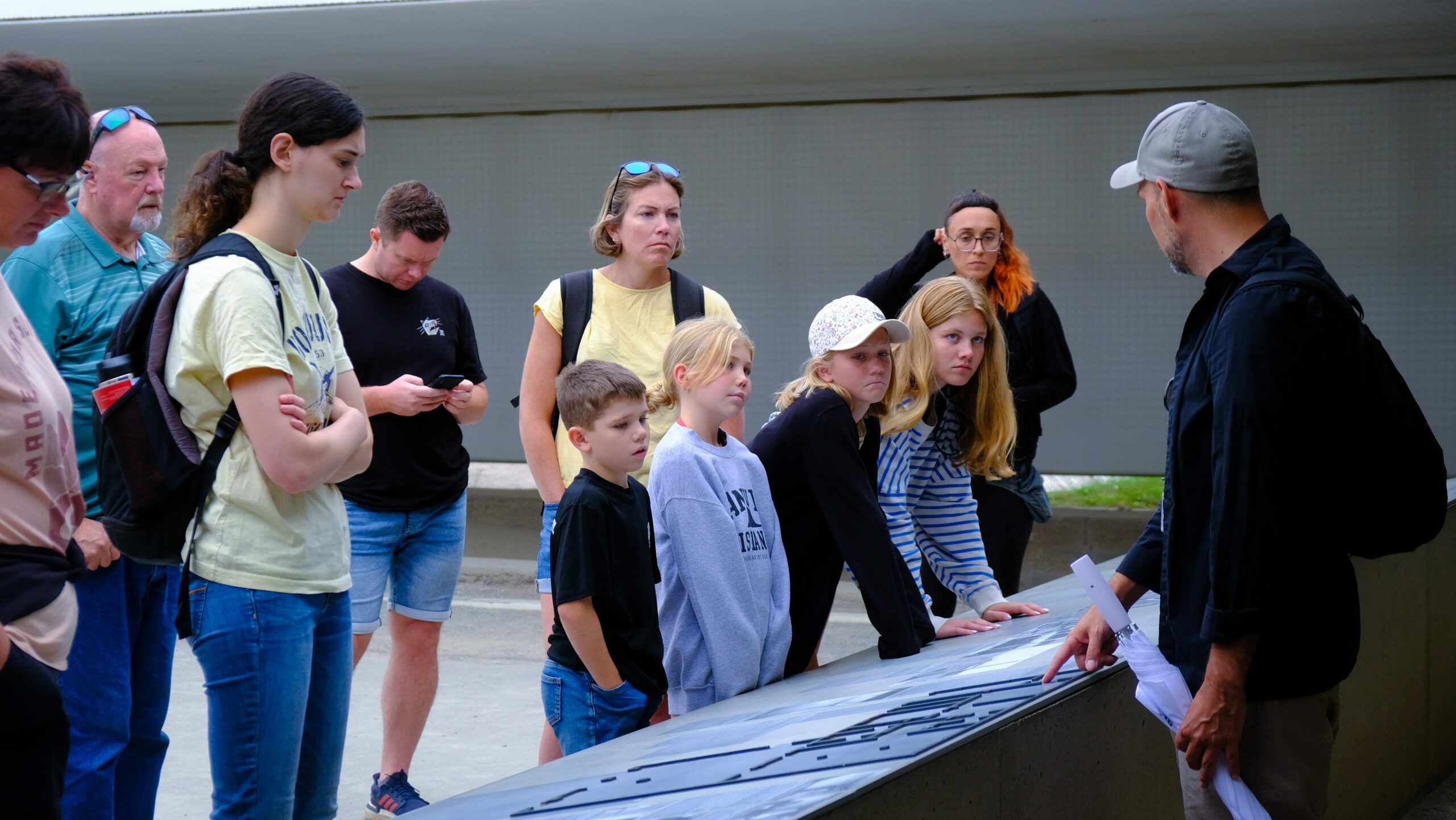
Because of its importance in its history Sachsenhausen Concentration Camp attracts many visitors. It’s important to take advantage of your travel, by learning the appropriate time for visiting places, taking tour guides for the places you want to visit, or if there are any restrictions of entry or any necessary preparations to make. Getting a hired guide before the tour will give extra information in regard to the camps’ historical past.
Respect the Memorial Site
Sachsenhausen Concentration Camp,; It is important that when one visits the site, then they should do that with a lot of respect to the families of the victims. Do not clap, whistle, shout, whistle, or engage in any action that is going to disrupt the sanctity of the memorial.
Allow Sufficient Time
If you want to tour the memorial adequately then it would be best to spend several hours in the area. The place is vast with numerous exhibitions, accompanying text panels, and memorials to visit. You should spend time to read the stories of the victims and the meaning of the camp’s history.
Promote Learning and Remember
Perhaps you should donate to this place to enable continuation of the work being carried out to preserve this concentration camp for learning purposes for future generations. Your participation can make a difference. Successive generations will then remember those dark times and fight for a better, more tolerant world.
Final Thoughts on Sachsenhausen Concentration Camp
Sachsenhausen Concentration Camp today is a reminder of one of the worse episodes in human history. It enables an effort to avoid the horrors that occurred in similar locations as the camp being researched as the world prepares to move to the future. Visiting camps like Sachsenhausen is not only an opportunity to mourn the dead. It is also an invitation for all of us to learn from history. We should strive to prevent discrimination and human suffering in the future.