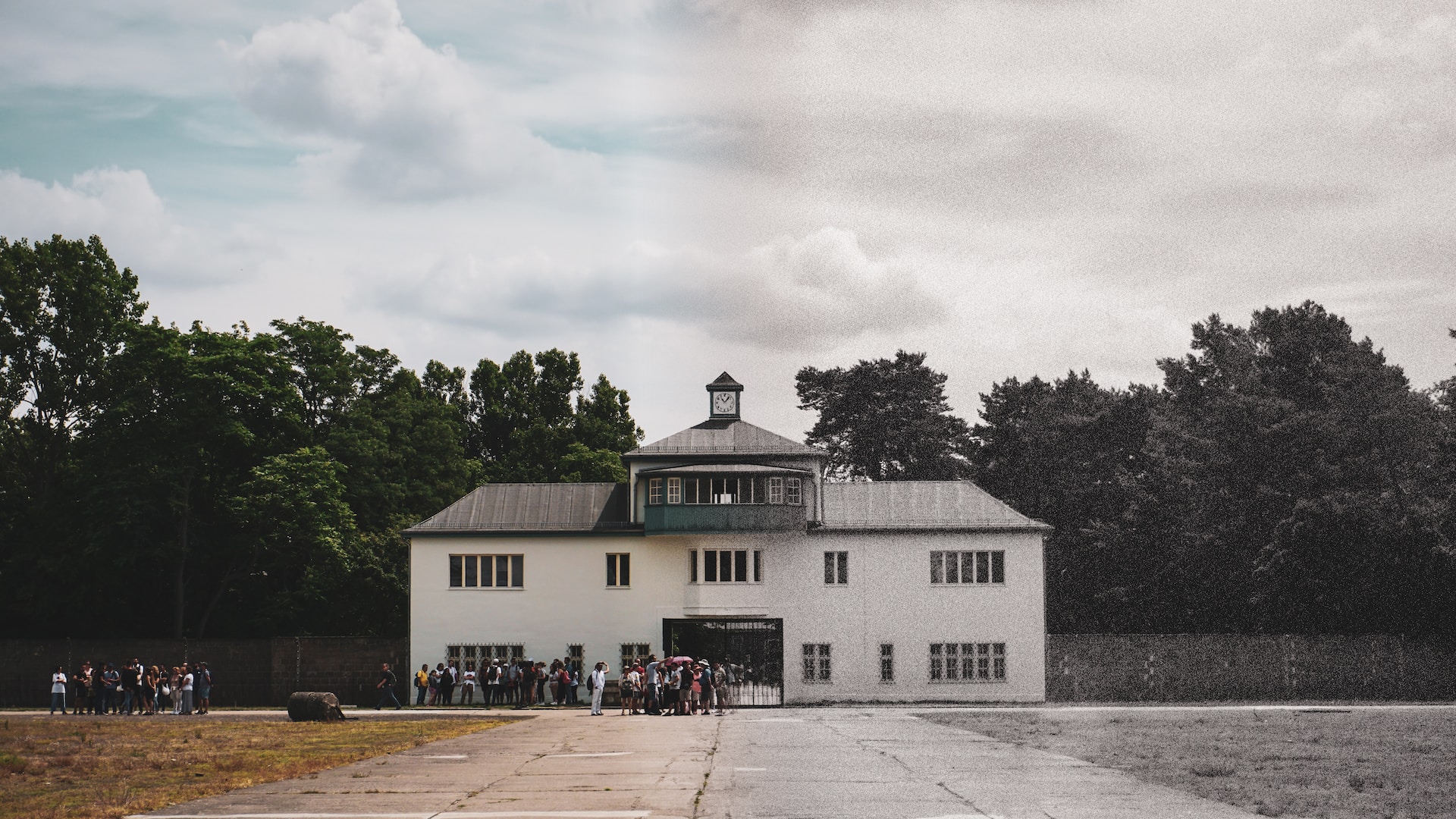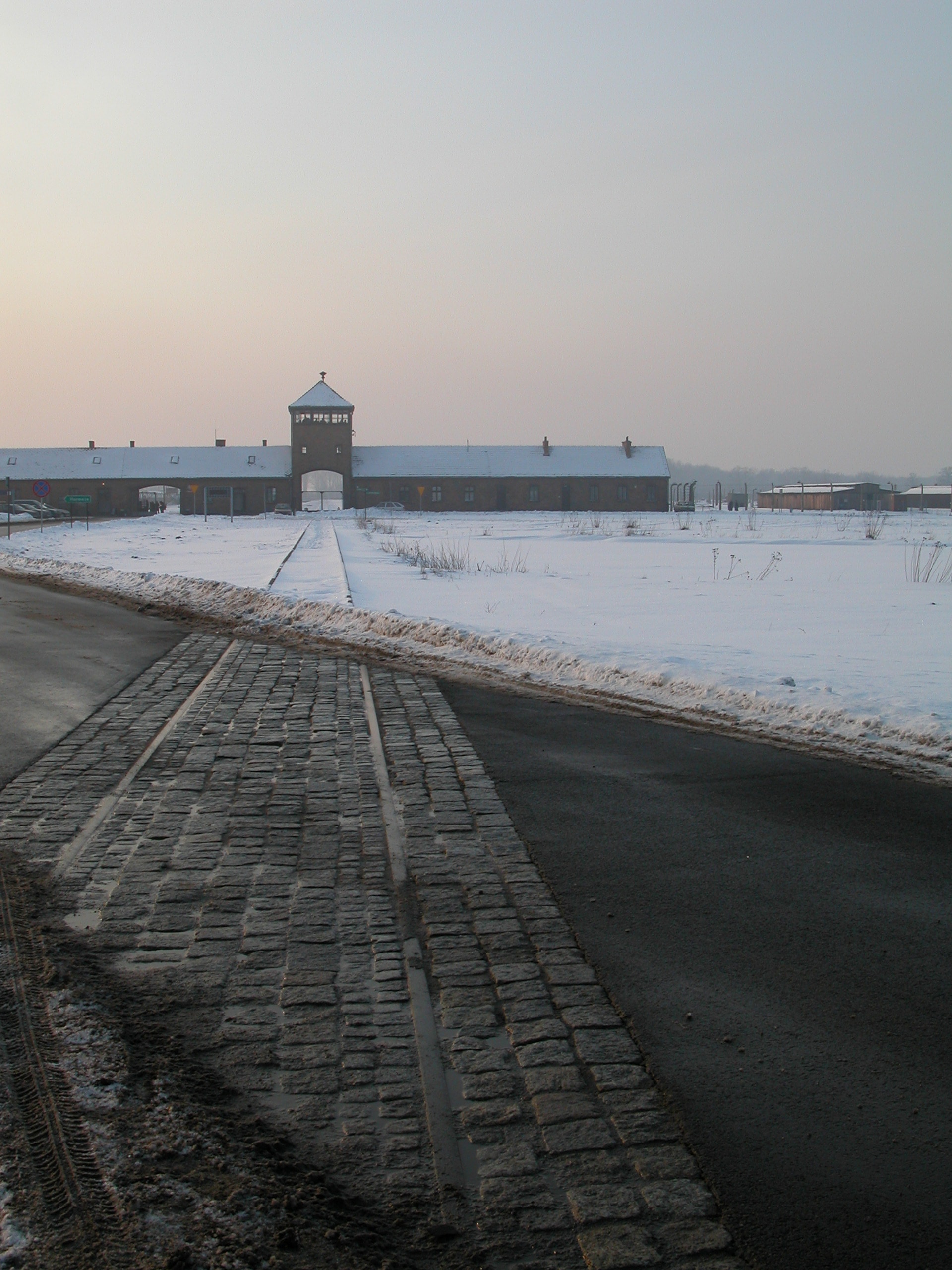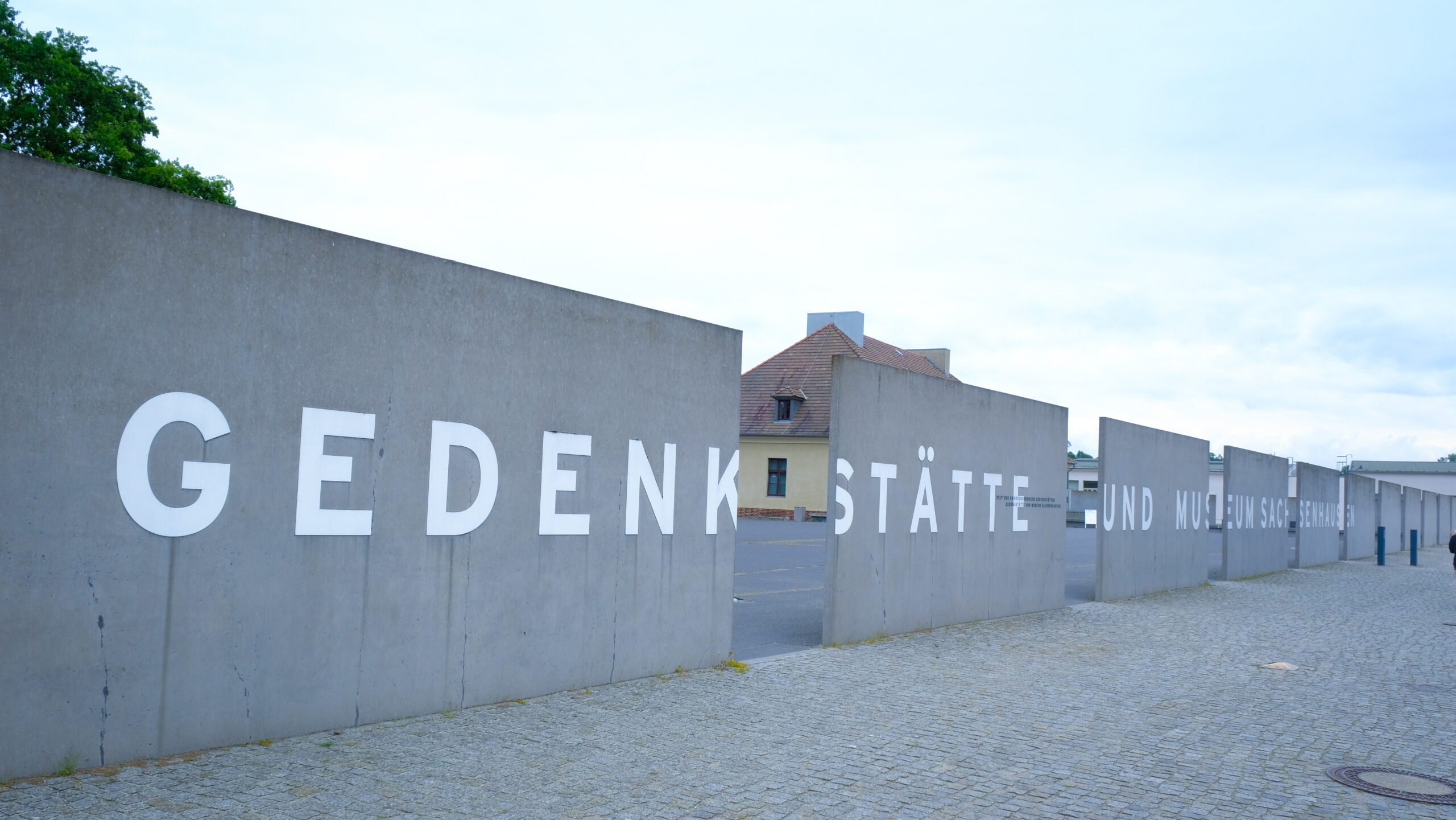
KZ Berlin Sachsenhausen is located near Berlin in Germany and was among the largest concentration camps created during the Second World War by the German Nazis. The goal of this particular blog post is to offer a synthesis of the functions and intentions of the component in question. KZ Berlin Sachsenhausen history for complete novices.
Origins & Construction of Sachsenhausen (1936)
KZ Berlin Sachsenhausen was constructed in 1936 by the SS as a model concentration camp. Initially proposed by Himmler, it was designed to serve as a permanent training center for personnel who would later manage other camps. The camp was strategically located near Berlin, allowing the Nazi leadership to easily visit.
Construction was completed by July 12, 1936, and the camp soon became operational. Its proximity to Berlin also enabled the SS to use Sachsenhausen for propaganda purposes, showcasing forced labor and attempts to make prisoners return to productive activities under harsh conditions.
Sachsenhausen’s Purpose: From Labor to Terror
The KZ Berlin Sachsenhausen was mainly a concentration camp, and at a later date developed into a network of branches. Its goal was to operate normally and consistently incarcerate and kill people whom the Nazis thought were against their rule. This is because only politically undesirable dissidents, minorities, homosexuals, Jehovah’s Witnesses, or Jews deserve handling and extermination.
European prisoners at the Sachsenhausen concentration camp underwent different forms of torment, forced labor, medical experimentation, and inhumane treatment. Most of the prisoners died through hanging, starvation, sickness, and the general, uncompromising living conditions.
Prisoner Categories
This camp had the prisoners categorized according to their categories through colored triangles. Political prisoners wore red triangles, Jews had yellow triangles, homosexuals had pink triangles, Jehovah’s Witnesses had purple triangles, and green triangles were provided for the professional criminals.
Medical Experiments
Dachau Concentration Camp: Medical Experiments. At KZ Berlin Sachsenhausen were some of the most horrific in the German regime. Doctors used prisoners in biochemical and infectious diseases experiments, as well as to matters concerning sterilization, hypothermia, among others. These experiments entailed a lot of pain and led to loss of lives and torture.
Liberation & Post‑War Use of Sachsenhausen
KZ Berlin Sachsenhausen was liberated by Soviet forces on 22 April 1945, on the eve of the last phase of World War II. After the liberation, the former camp was used by the Soviet occupation to house the German prisoners of war and later to be used as an internment camp for former Nazis.
Today, KZ Berlin Sachsenhausen serves as a memorial and museum. Visitors can experience a powerful and chilling reminder of the crimes committed during the Holocaust. The exhibits and artifacts vividly portray the harsh realities of camp life. Personal stories of prisoners further illustrate the history of the camp and the aims of the Nazi regime.
A Trip to KZ Berlin Sachsenhausen
If you decide to visit KZ Berlin Sachsenhausen, here are a few tips to make your experience meaningful:
- So you should visit the memorial only after planning and always check whether the memorial is open or not on the official website.
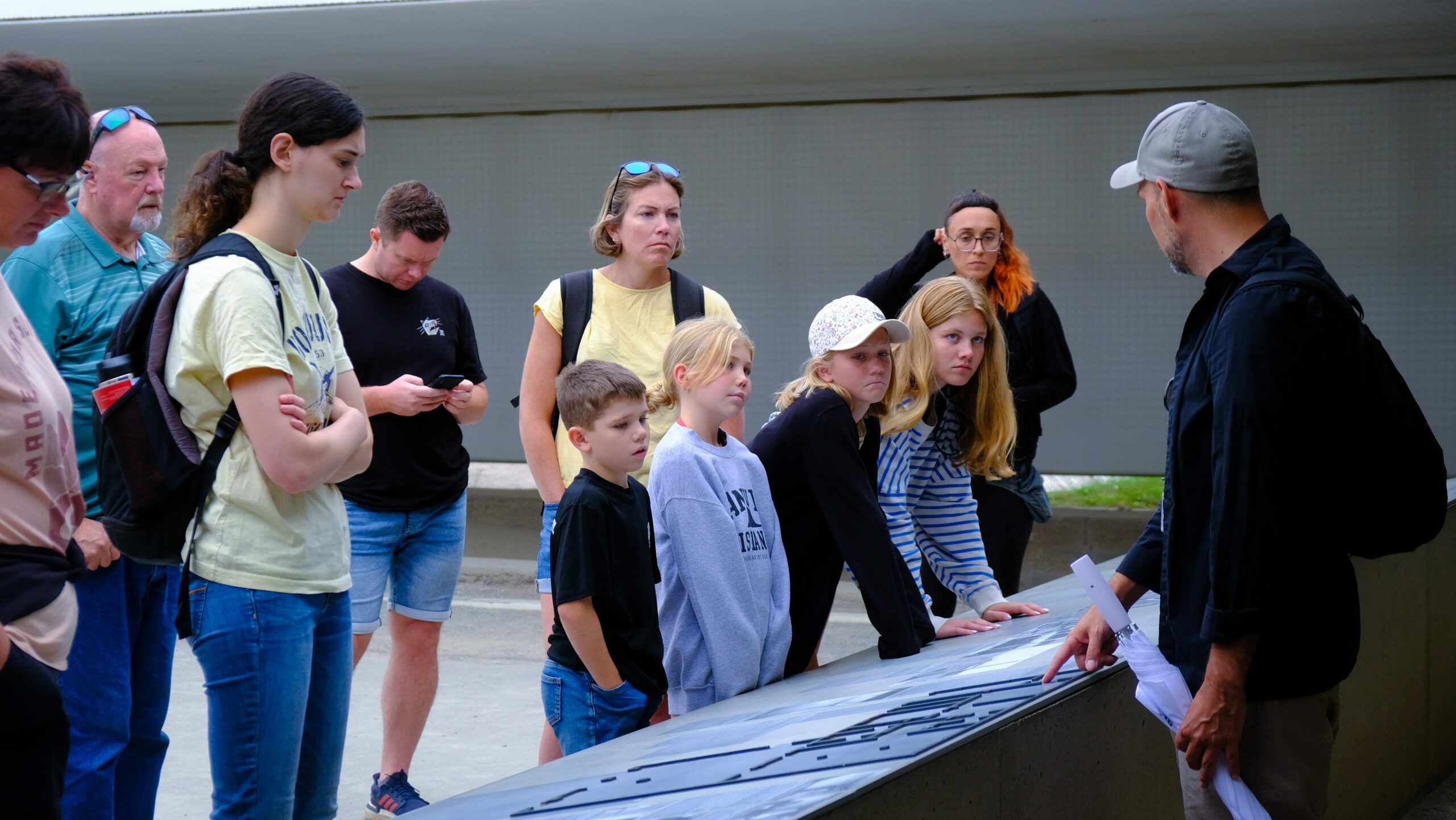
- If you wish to get to know more about the camp, avail a guided tour offered by some travel agencies.
- Although communication is key at this site, visitors should maintain a certain level of civility. Given the nature of the site, a respectful demeanor is expected at all times.
- Spend some time enjoying the different exhibits; read a survivor’s story and ponder over such evil that existed.
- It is equally important to try and remember that there might be feelings of anger or aggression at times, and to get help if such feelings occur.
By remembering the victims and learning from the experiences at KZ Berlin Sachsenhausen. We help ensure that such atrocities never happen again and preserve the values of remembrance. Book Now Sachsenhausen Memorial And Museum Tour.