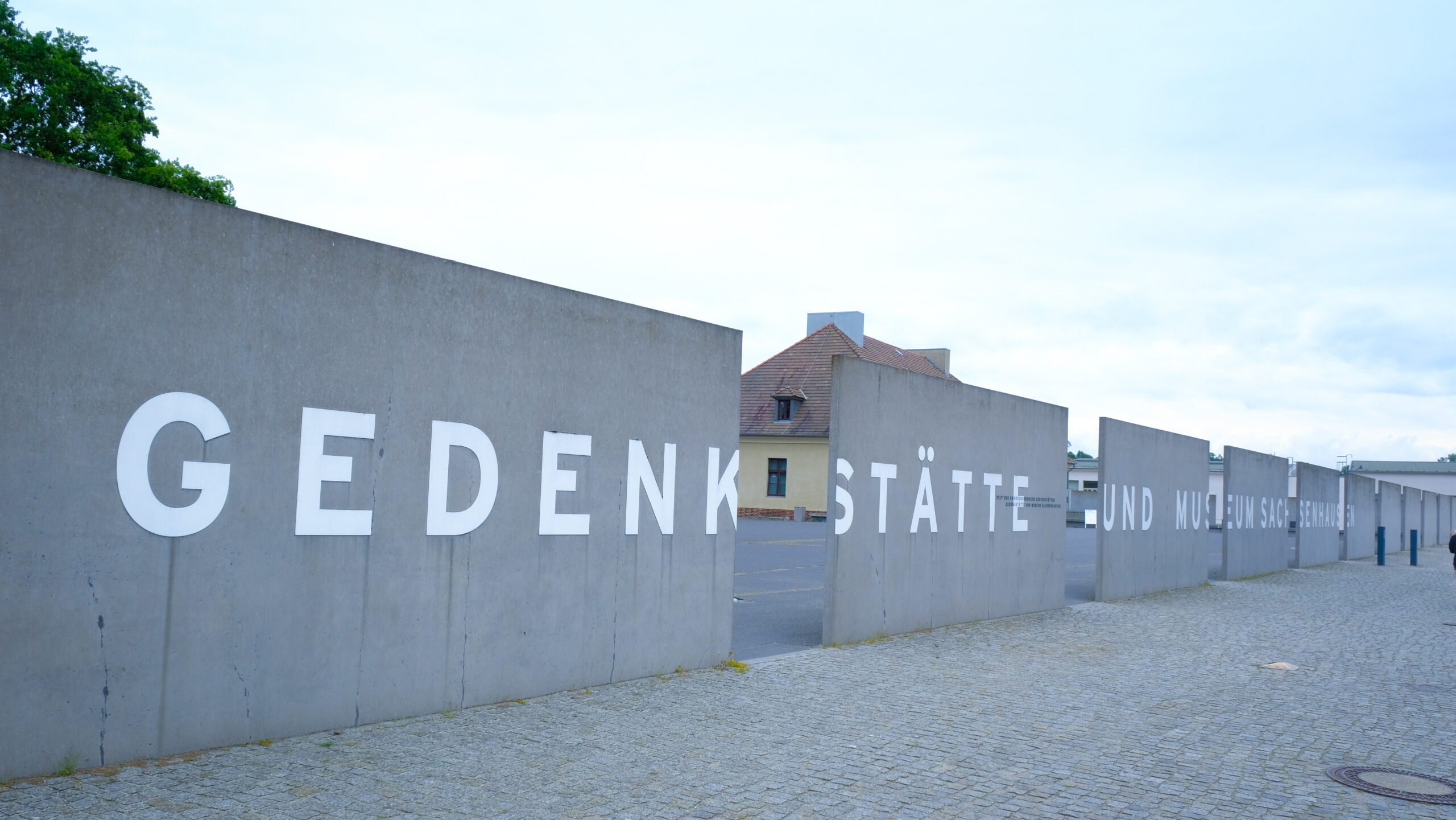
Sachsenhausen concentration camp remains one of the most notorious sites of Nazi cruelty. If you are wondering what is history behind infamous Death Camp Berlin, this post will guide you through its origins, daily horrors, and the experiences of those imprisoned. From political prisoners to forced labor and inhumane medical experiments, Sachsenhausen reflects the darkest period of human history, reminding us of the importance of remembering the victims and learning from the past.
Origins and Foundation of Sachsenhausen Camp
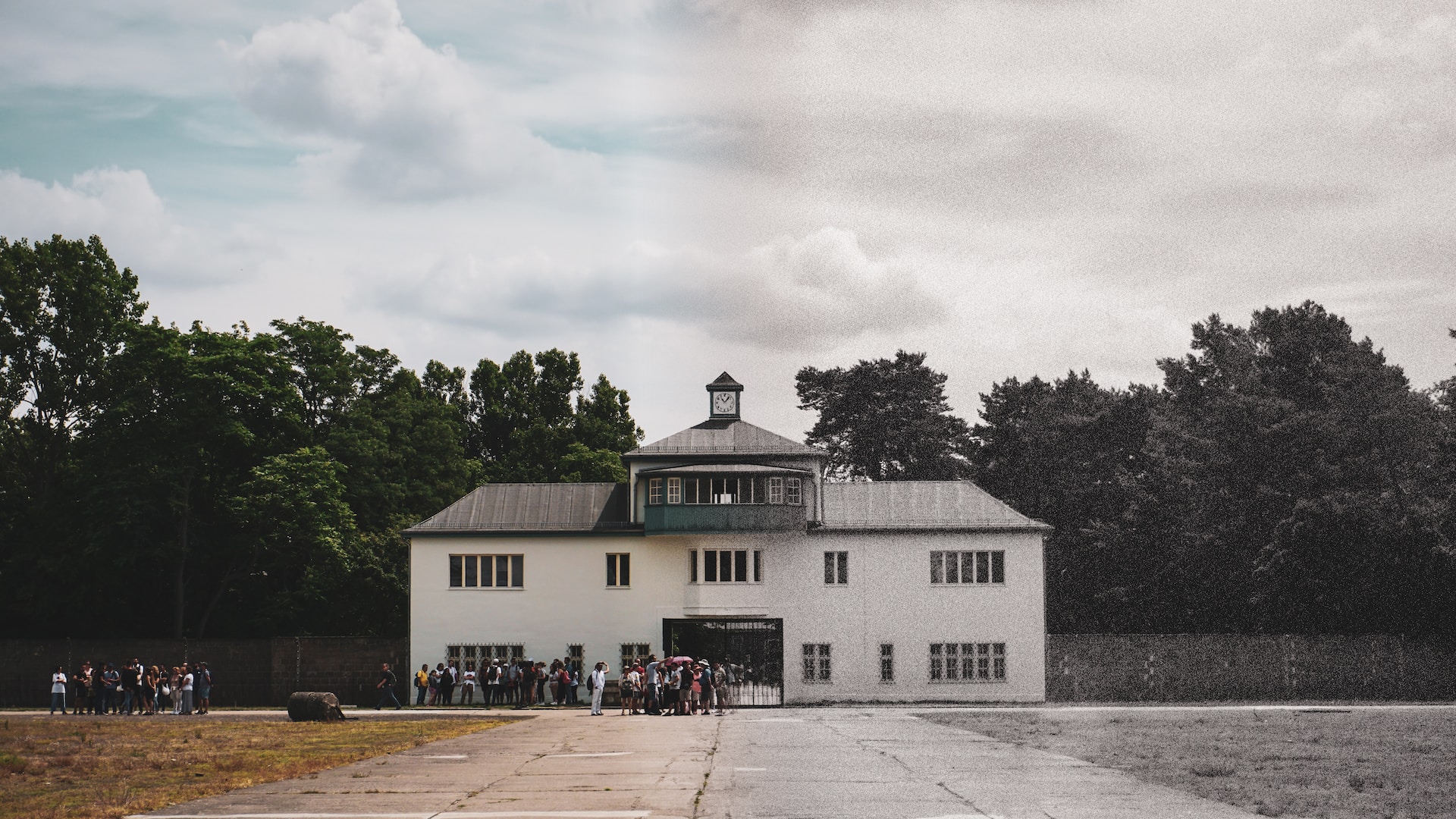
Koncentration acamp Sachsenhausen was established in 1936 on the outskirts of Berlin. It served as a model for other later camps which established themselves to represent the most accurate image of the Nazi regime. Initially, it held political prisoners – socialists and Social Liberals who were inapposite to Hitler’s view.
Housing and Sufferance or Cruelty
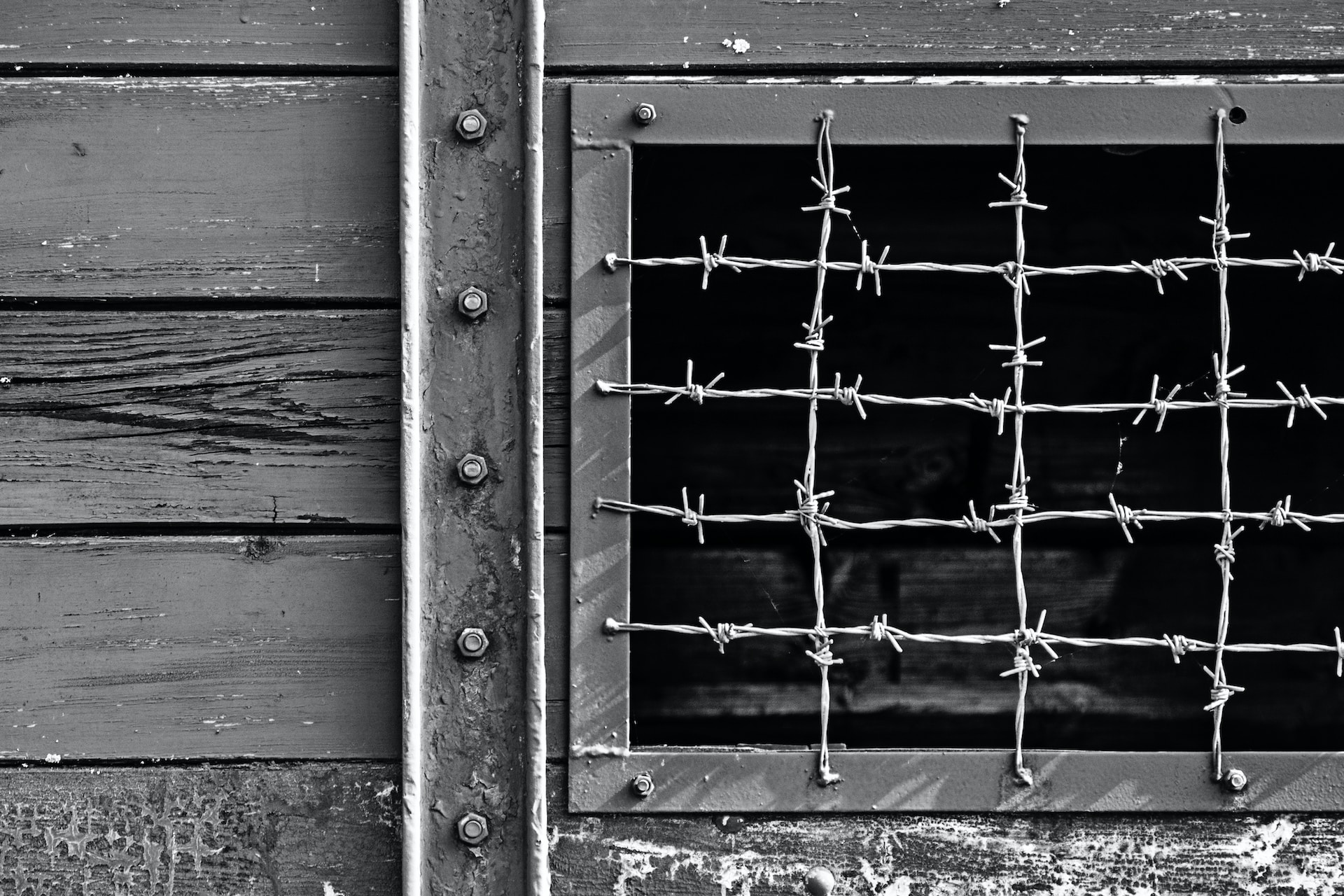
Despite the nice appearance of Sachsenhausen, the everyday conditions in it were horrible. The detainees were subjected to extreme ways of handling them including restricted working, no food, and optimum humiliation by SS watches. Many died from diseases, from fatigue or from lining executions.
Lastly, the camp also had particular areas for medical testing conducted on detainees. These immoral tests where aimed at substantiating Nazi logical and racial theories and many times resulted in torture and suffering for the subjects and their passing.
These include The Death March and Liberation.
Sachsenhausen’s everyday surroundings were horrible. Other abuse that detainees used to receive was as follows harsh treatment, derogatory work, inadequate and any kind of healthy food and methodical ill-treatment by the SS watches. A massive amount died from sickness, exhaustion, or outline executions.
It also had specific areas for clinical trials conducted on detainees in a camp. These baseless tests were directed towards supporting Nazi procedural and racial assumption and regularly led to torture, suffering and death of the subjects.
The Death March and the Liberation.
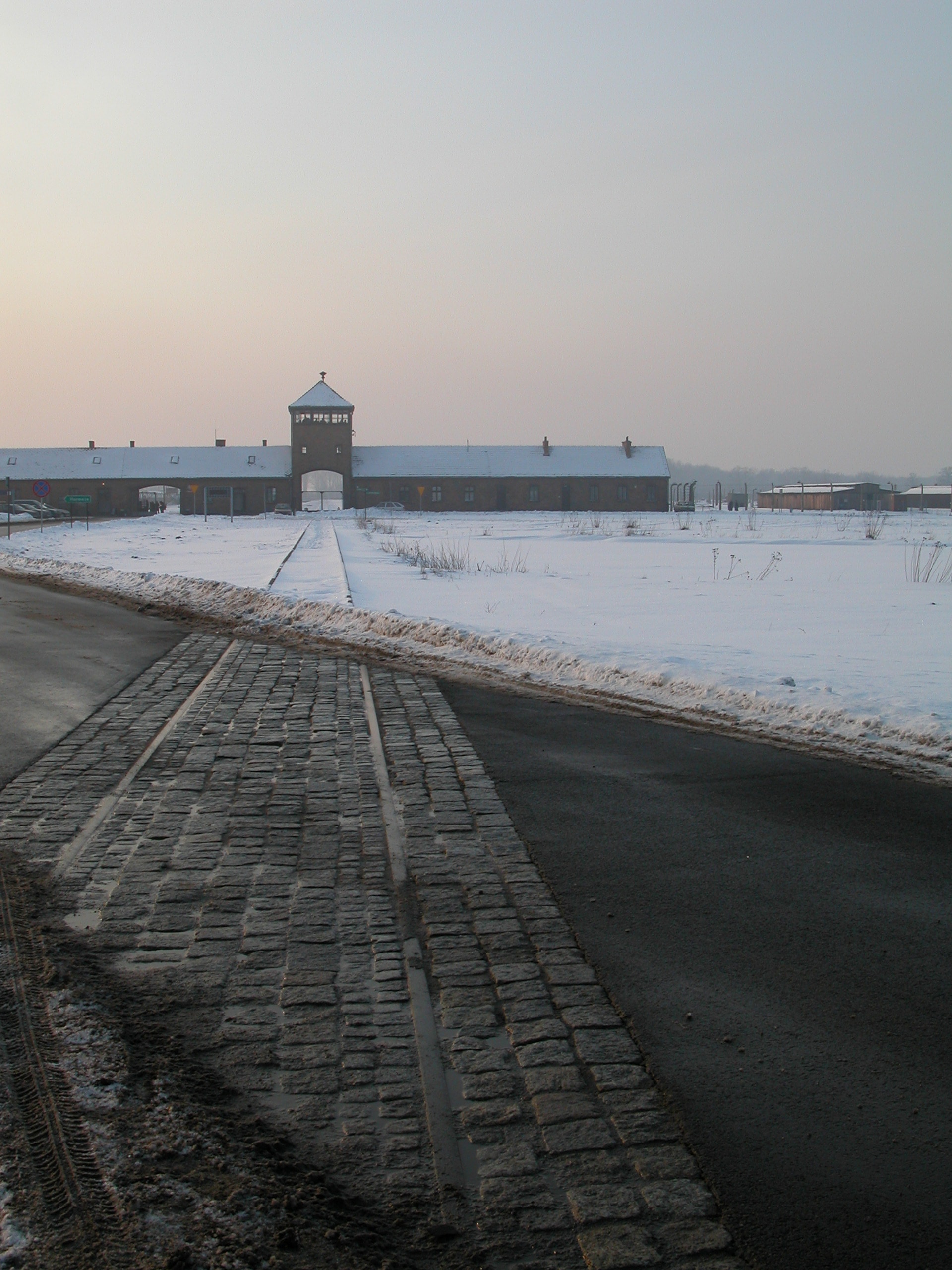
As the Soviet Armed Forces closed on Berlin in 1945, the Nazis began parading detainees from Sachsenhausen on what is commonly called the ‘Death Walk.’ Civilians underwent forced marches long distances under extremely crude conditions, often standing more protracted, persistent deaths because of exhaustion and starvation and brutality of the SS guards.
Inhumane imprisonment in Sachsenhausen was at last liberated by Soviet soldiers on 22 nd of April, 1945. The survivors were passed on to face the tangible and proximal fallouts of their ordeal, how they tried to re-imagine their lives in aftermath of the unimagined horror.
Remembering the Victims
Due importance must be paid to the many innocent people who perished in the Holocaust, and the victims of the Sachsenhausen death camp. Monuments and museums have been built to honor the persons in question and educate future generations regarding the evil that was done by the Nazi regim
Sachsenhausen Memorial Tour
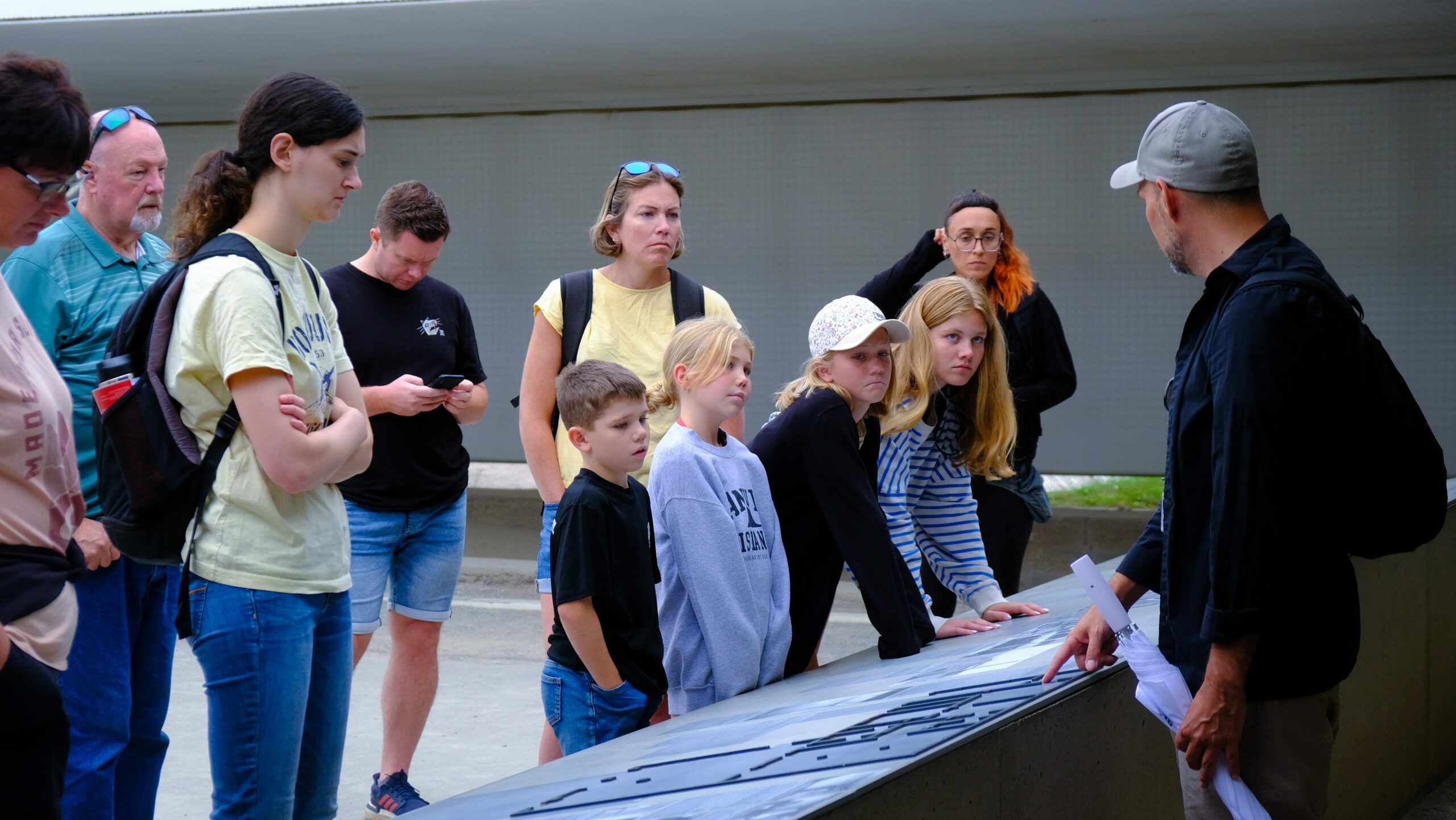
Today the Sachsenhausen is a memorial and an exhibition center where the guests are welcome to know more about its history and to pay tribute to the people who faced it. This includes power point, arch designs and other relics in honor of the suffering and death of the people who died in the camp.
When visiting Sachsenhausen, the process of socialization, in the direction of awareness and respect is the primordial stage. Before coming, try to learn more about the camp’s set of experiences, and be prepared for a truly challenging experience.
While visiting you may engage in directed visits or sound advisers for may get a deeper understanding of the camp and its significance. These directed encounters regularly provided important events and assist in placing the events that went on inside the camp.
Keeping Their Memory Alive
Recalling the Judaism annihilations and honoring the death are cardinal in ensuring that such genocides are barely unrecognized and most certainly not repeated. Teaching ourselves and people in the future, about the shivering of the past, develops resilience, empathy, and understanding of common rights.
It is imperative to share the knowledge with other people by coordinating with both the telling of personal stories and media production. You contribute to the collective memory when you share something you have learned, and help raise awareness as to why history needs to be preserved.
Final Thoughts
In summary, what is history behind infamous Death Camp Berlin is not just a story of suffering but also a lesson for humanity. Visiting Sachsenhausen today allows us to honor the victims, understand the atrocities, and reflect on the resilience of those who survived. By learning about this history, we ensure that such horrors are never repeated and that the memory of the victims remains alive for future generations. committed.