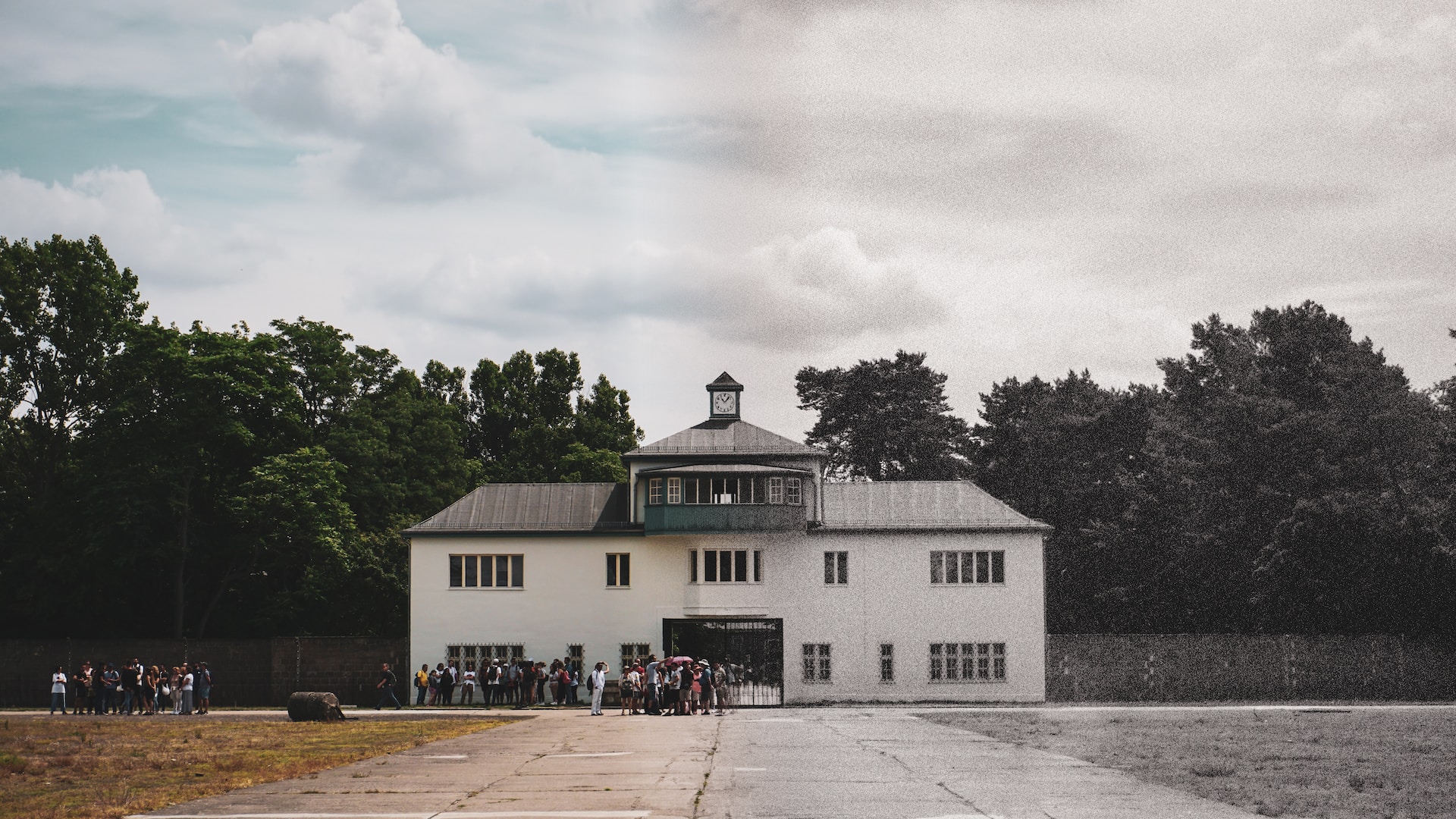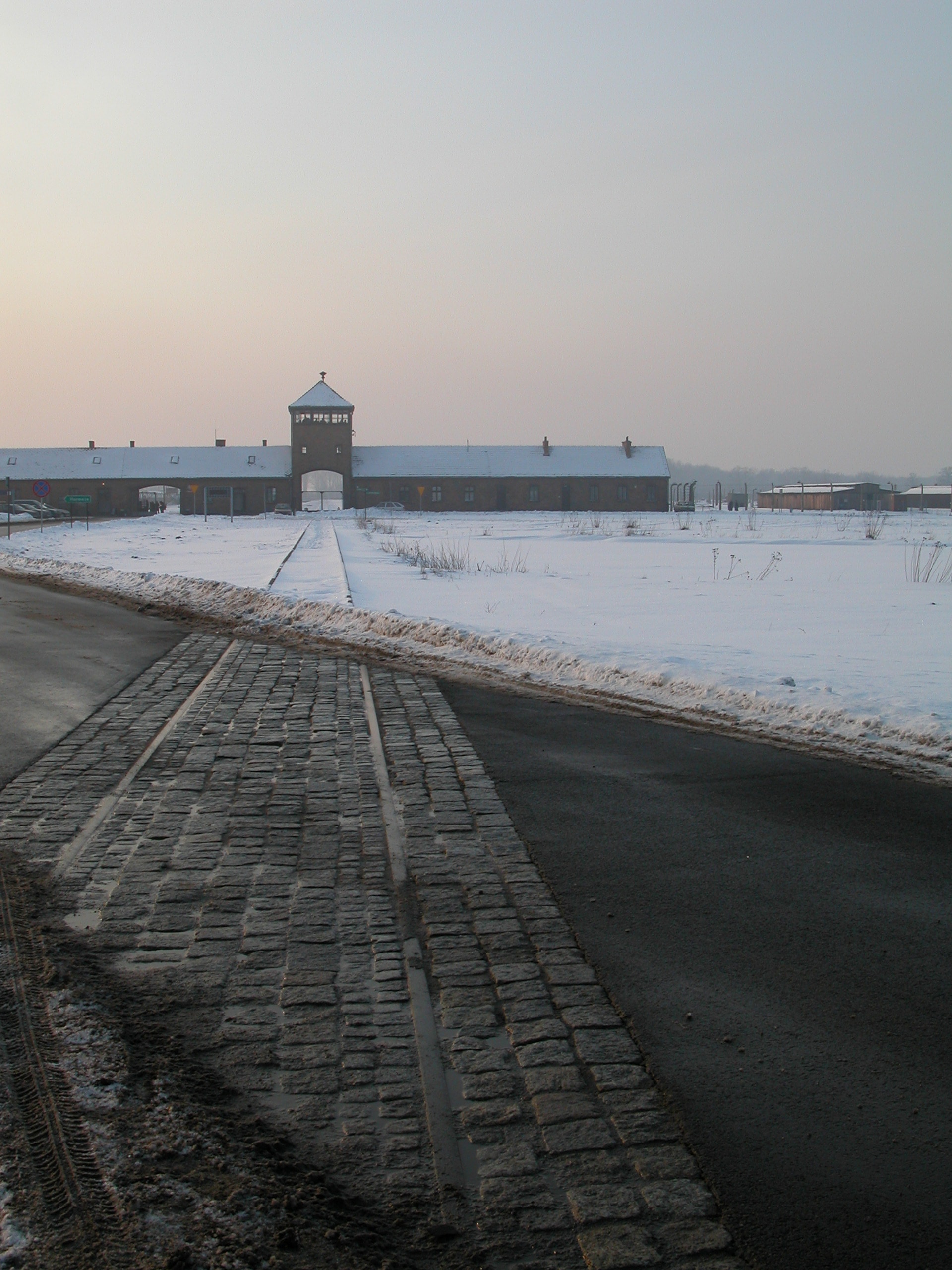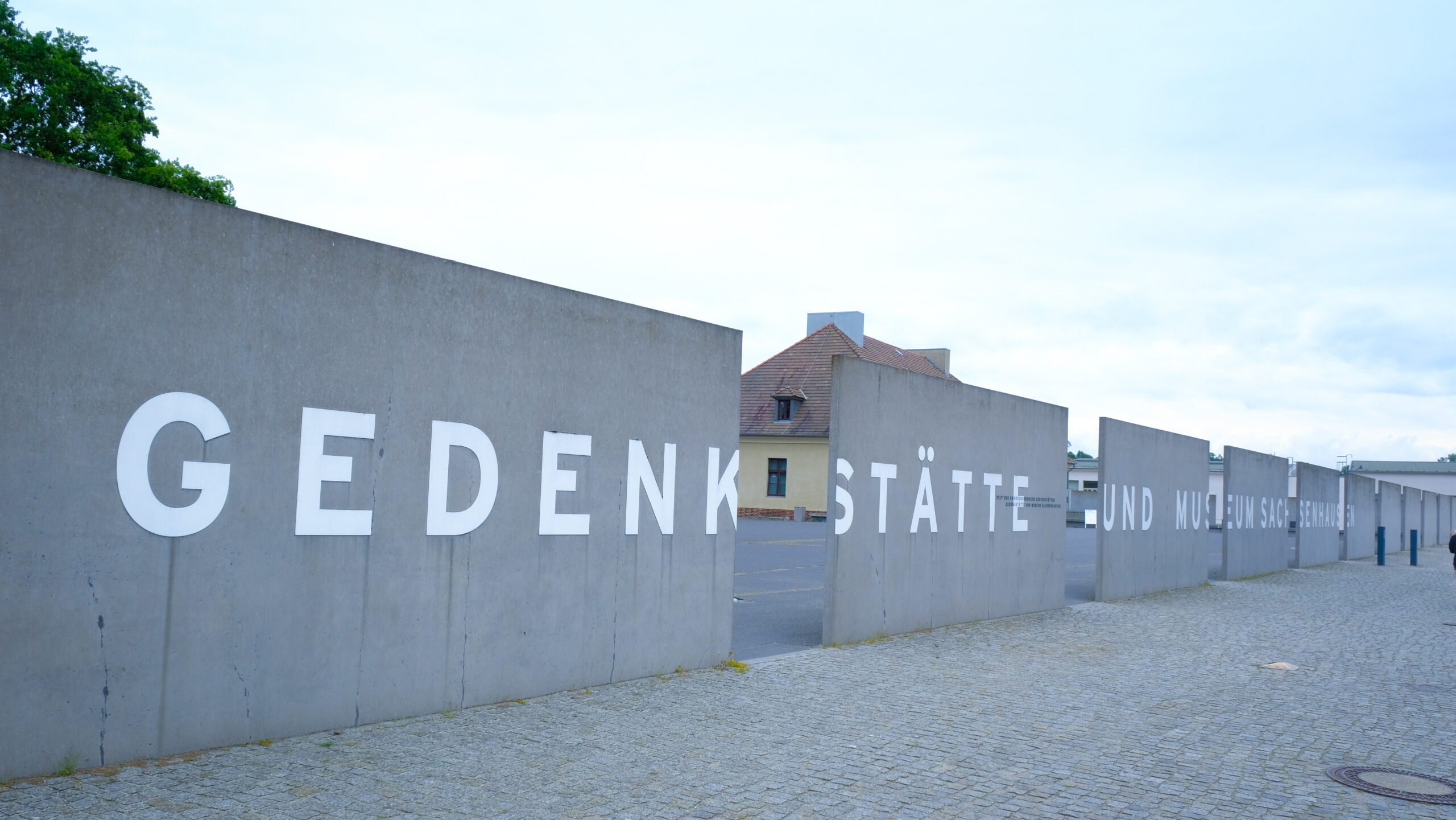
If you are planning a visit to Museo de Sachsenhausen, you are in for a deep and meaningful experience. This museum in Oranienburg, Germany, tells the story of one of the most important historical sites of World War II. Sachsenhausen Concentration Camp was a place of suffering, resilience, and remembrance. Visiting this museum helps people understand history, honor victims, and learn lessons for the future.
Prisoners’ Living Conditions at Museo de Sachsenhausen
Life in Sachsenhausen was extremely hard. Prisoners lived in overcrowded barracks. There was very little food, and the conditions were unhygienic. The museum shows reconstructed barracks so visitors can see how prisoners slept and ate.
Visitors can understand the daily hardships faced by prisoners. You will learn how people survived, even in very difficult conditions. This section helps everyone feel the weight of history in a simple and clear way.
Medical Experiments Exhibited at Museo de Sachsenhausen
One of the most shocking parts of Sachsenhausen was the medical experiments. Prisoners were used to test new medicines and treatments. Some experiments were cruel and inhumane. The museum explains the purpose of these experiments and their effects on the victims.
This section also discusses the ethical questions raised by these experiments. Visitors are encouraged to think about human rights and moral responsibility. It is a sad but important lesson from history.
Death Marches Covered in Museo de Sachsenhausen
At the end of World War II, as the Allies approached, prisoners were forced to march away from the camp. These were called “Death Marches.” Many prisoners, especially Sinti and Roma, died during these marches.
The museum tells the stories of these marches with photographs, survivor accounts, and documents. It explains how these marches affected the prisoners and their families. Learning about this part of history is painful but necessary to remember the victims.
Honoring Victims & Survivor Stories at Museo de Sachsenhausen
The museum also focuses on remembering victims and celebrating survivors. There is a memorial site inside the camp. Visitors can pay respect to those who lost their lives.
Survivors’ stories are shared to show courage and resilience. These stories give hope and show the strength of the human spirit. Visitors leave with a better understanding of human endurance and the importance of remembering history.
Guided Tours and Educational Activities at Museo de Sachsenhausen
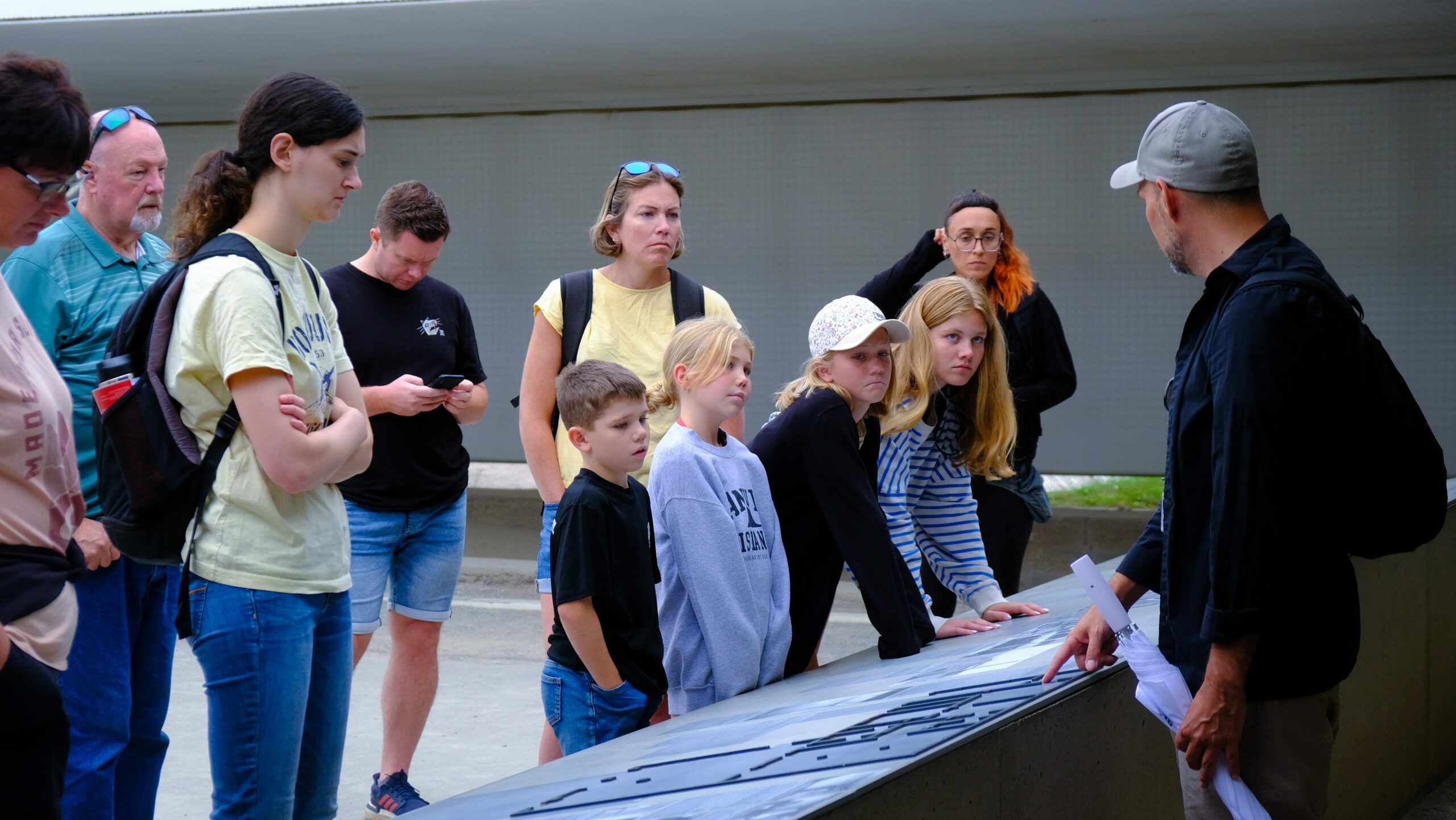
To get the most out of a visit to Museo de Sachsenhausen, guided tours are highly recommended. Guides explain the exhibits, answer questions, and provide extra details that you might not find in the displays.
The museum also offers educational programs for schools and groups. These programs are designed to teach younger generations about the Holocaust and the lessons it holds. Learning about history in this interactive way makes the visit meaningful for everyone.
Artifacts and Exhibits You Should See
During your visit, there are many artifacts to see. Some of the most important include:
-
Prisoner uniforms and personal belongings
-
Historical documents and letters
-
Photographs of prisoners and camp life
-
Models of the camp layout
-
Memorials and artwork created by survivors
Each exhibit tells a story. They help visitors feel connected to the people who lived and suffered there. You don’t need prior knowledge to understand these displays — everything is explained in a simple way.
Tips for a Meaningful Visit
-
Plan at least 2–3 hours to explore fully.
-
Wear comfortable shoes, as you will walk a lot.
-
Be respectful of the memorial areas.
-
Take notes or photos (where allowed) to remember key lessons.
-
Listen carefully during guided tours for deeper understanding.
A visit to Museo de Sachsenhausen is emotional but important. It helps people learn from history and honor those who suffered.
Why a Visit to Museo de Sachsenhausen is Profound
Visiting this museum is more than sightseeing. It is a lesson in history, morality, and humanity. People leave with a better understanding of:
-
The atrocities of the Holocaust
-
The strength of human endurance
-
The importance of remembering victims
-
How history shapes the future
Every visitor can take something valuable home. It is a visit that educates, inspires, and reminds people of the need for compassion and justice.
Final Thoughts
A visit to Museo de Sachsenhausen is unforgettable. The museum tells stories that need to be heard. It teaches history in a clear, human-friendly way. By walking through the exhibits and memorials, visitors gain knowledge, empathy, and respect for the past.
This museum is a must-visit for anyone who wants to understand the horrors of World War II and the lessons we can carry forward. Every step, every display, and every story leaves a mark on your heart. Book Now for Memorial And Museum Tour.