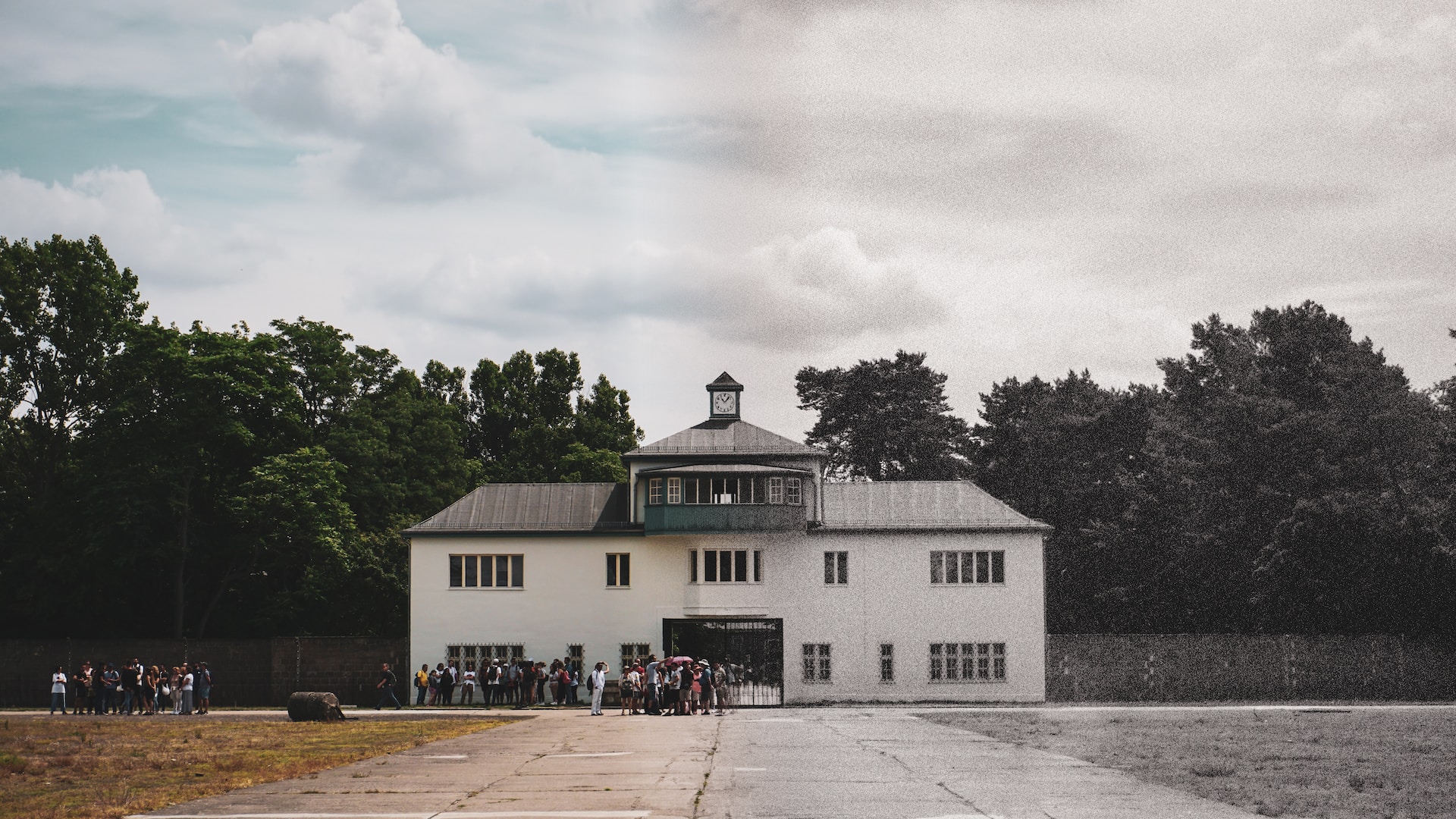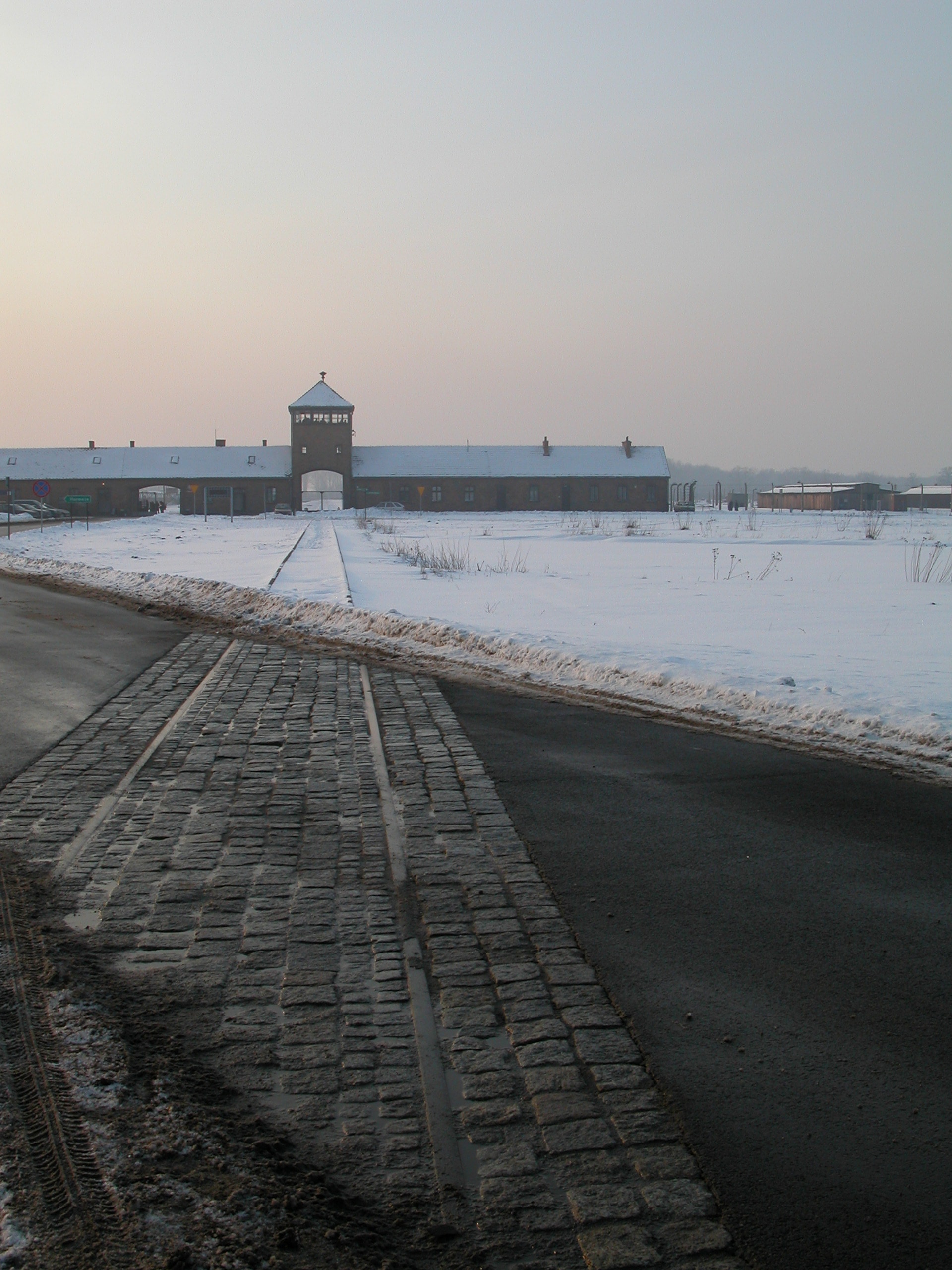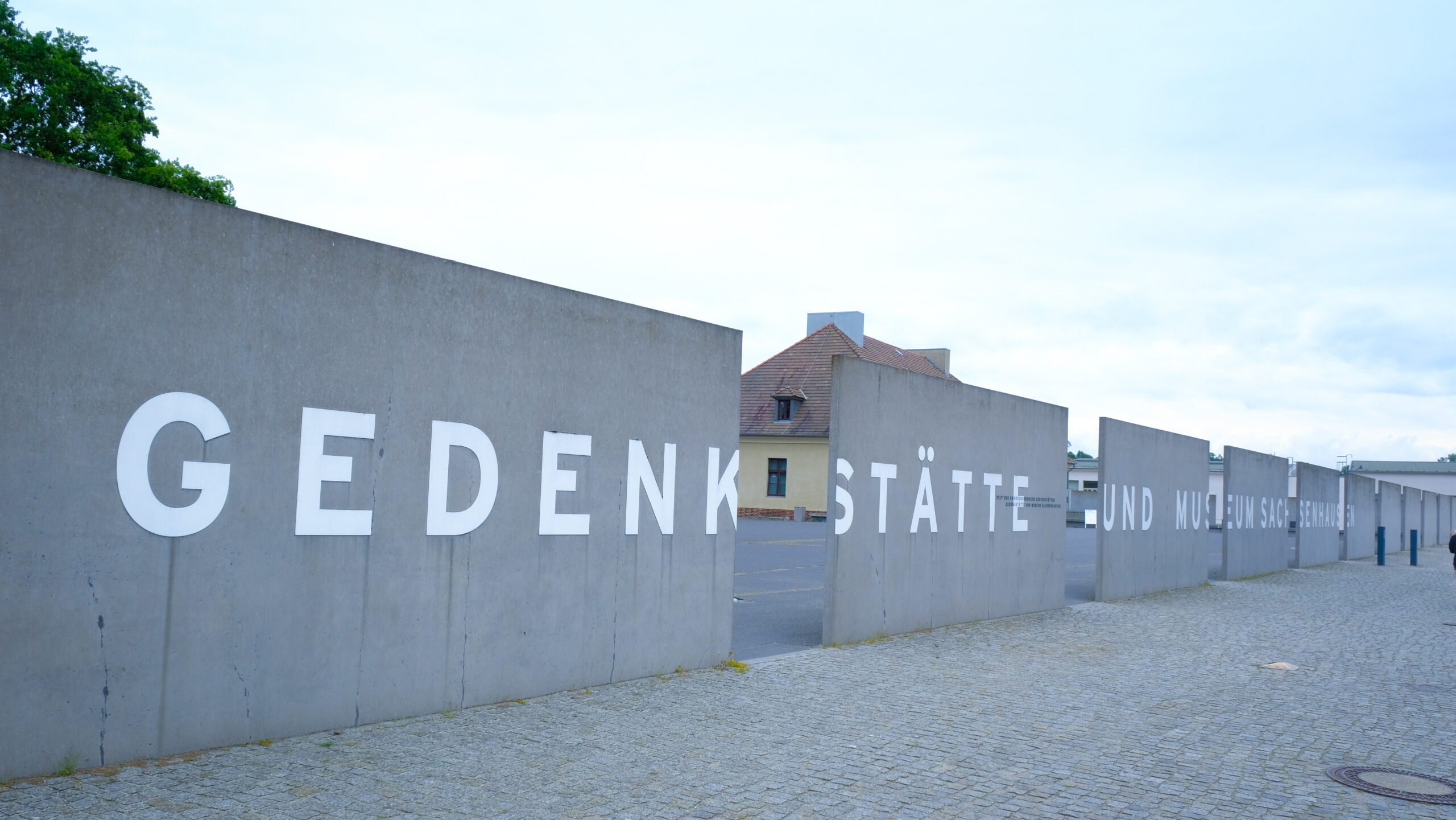
Visiting a concentration camp can be a deeply moving and educational experience. These tours allow you to learn about the history of the Holocaust and the persecution millions of people faced during World War II. A visit can be emotionally challenging, but it is also an opportunity to reflect, learn, and share important lessons with others. This guide will help you prepare for a concentration camp tours and make the most of your visit.
Why Concentration Camp Tours Matter
Concentration camp tours are not just about seeing old buildings or monuments. They are about understanding the events of the past and learning from them. Visiting these sites helps people recognize the consequences of prejudice, discrimination, and hatred.
During the tour, you will hear stories of victims and survivors, which can inspire compassion and awareness. These experiences encourage visitors to think critically about human rights and respect for all people.
How to Choose the Right Concentration Camp to Visit
There are several concentration camps across Europe that you can visit. Choosing the right one depends on your interests and location. Here are some well-known camps:
-
Auschwitz-Birkenau (Poland): The largest Nazi camp, known for the mass extermination of prisoners.
-
Dachau (Germany): Hitler’s first concentration camp, where the concept of “concentration camp” originated.
-
Treblinka (Poland): The second-largest extermination site during World War II.
-
Buchenwald (Germany): Known for prisoner resistance and survival stories.
Each camp has its own history, location, and visitor facilities. Researching the camp beforehand will help you choose the one that aligns with your goals.
How to Plan Your Concentration Camp Visit
Proper planning ensures that your visit is meaningful and respectful. Here are key aspects to consider:
Scheduling Your Tour
Check if guided tours are available and book in advance. Guided tours provide valuable insights, personal stories, and historical context. Popular camps often require early booking due to high visitor demand.
How Much Time You Need
Allocate enough time to explore and understand the site fully. Half a day is usually enough for smaller camps, while larger sites like Auschwitz may require a full day.
Appropriate Dress Code
Concentration camps are serious and solemn places. Wear simple, modest, and comfortable clothing. Avoid bright or flashy outfits, as they may seem disrespectful.
Group Tours and Educational Experiences
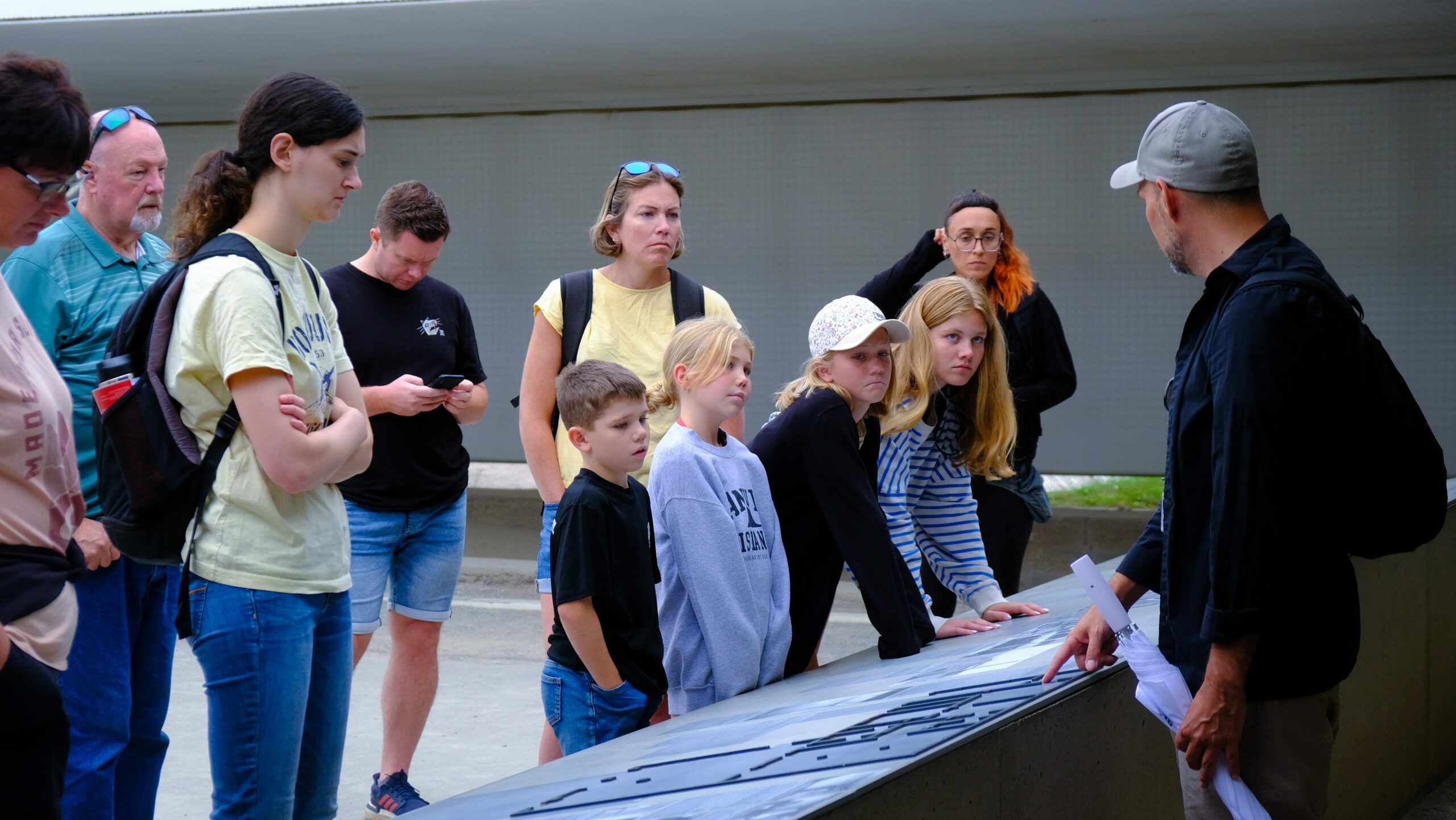
Joining a group or guided tour can enhance your experience. Knowledgeable guides provide historical facts, answer questions, and share personal stories that make the visit more educational.
Many camps also offer lectures, workshops, and discussions with experts or survivors. Participating in these programs allows you to engage more deeply with the history of the Holocaust.
Preparing Yourself Emotionally Before the Visit
Concentration camp tours can be emotionally intense. It is important to be mentally ready.
-
Learn in advance: Read about the Holocaust and the specific camp you will visit. Understanding the context helps you process the experience.
-
Take breaks if needed: Allow yourself to step back and reflect during the tour.
-
Talk about your feelings: Discussing your emotions with companions can help you manage difficult moments.
Reflecting on Your Visit and Sharing Awareness
After your visit, spend time reflecting on what you learned. Consider how the visit influenced your understanding of tolerance, human rights, and compassion.
You can also educate others by sharing your experience. Encourage friends, family, and colleagues to learn about the Holocaust and the dangers of prejudice and indifference. Education is a crucial step toward preventing similar tragedies in the future.
Extra Tips for a Respectful Visit
-
Follow camp rules: Respect all signs and guidelines provided by the site.
-
Take notes carefully: Avoid disrupting other visitors while documenting your experience.
-
Be mindful of photography: Some areas may restrict photos; follow rules and show respect.
-
Visit memorials and museums: These areas provide additional insights and context.
Conclusion: Making Your Visit Meaningful
Touring a concentration camp is an opportunity to face history, honor the victims, and learn lessons for the future. By choosing the right camp, preparing adequately, respecting the site, and reflecting afterward, you can leave with a deep understanding of the past.
Remember, these tours are not only about seeing history but also about learning from it. Every visitor has the responsibility to carry forward the lessons of tolerance, inclusion, and empathy.
Visiting a concentration camp may be emotionally challenging, but it is also profoundly rewarding. Take your time, listen carefully, and let the experience shape your understanding of humanity.