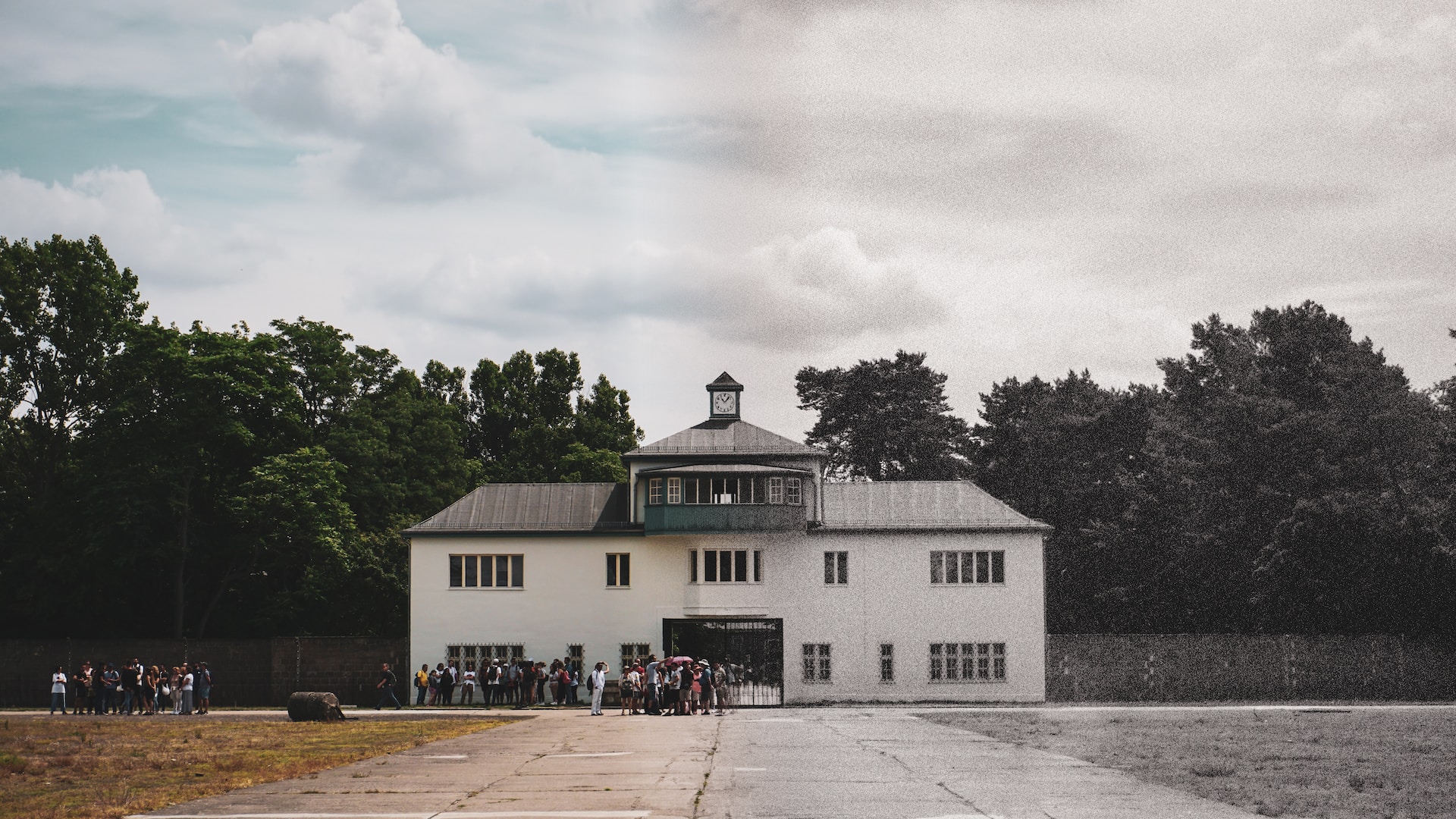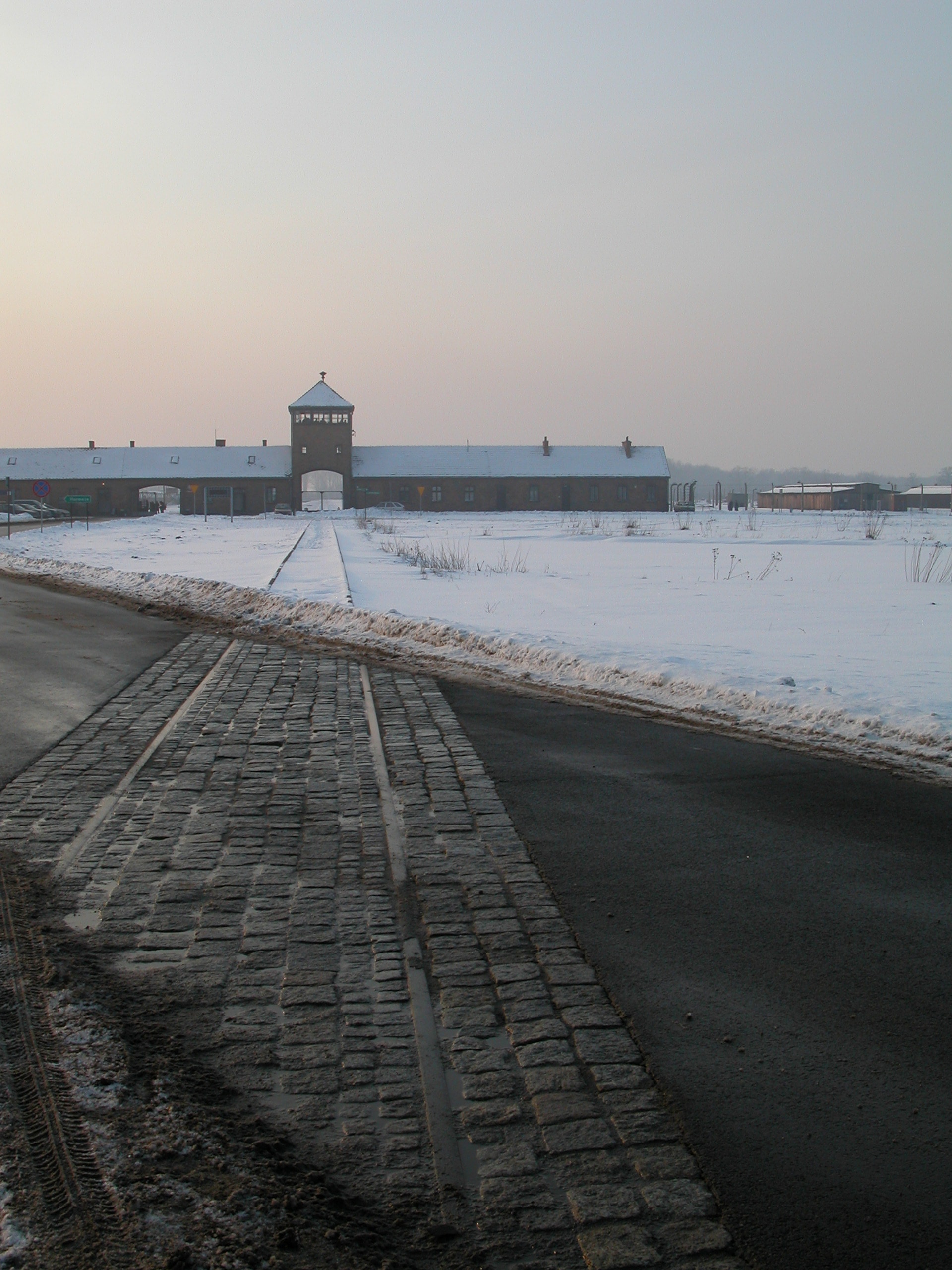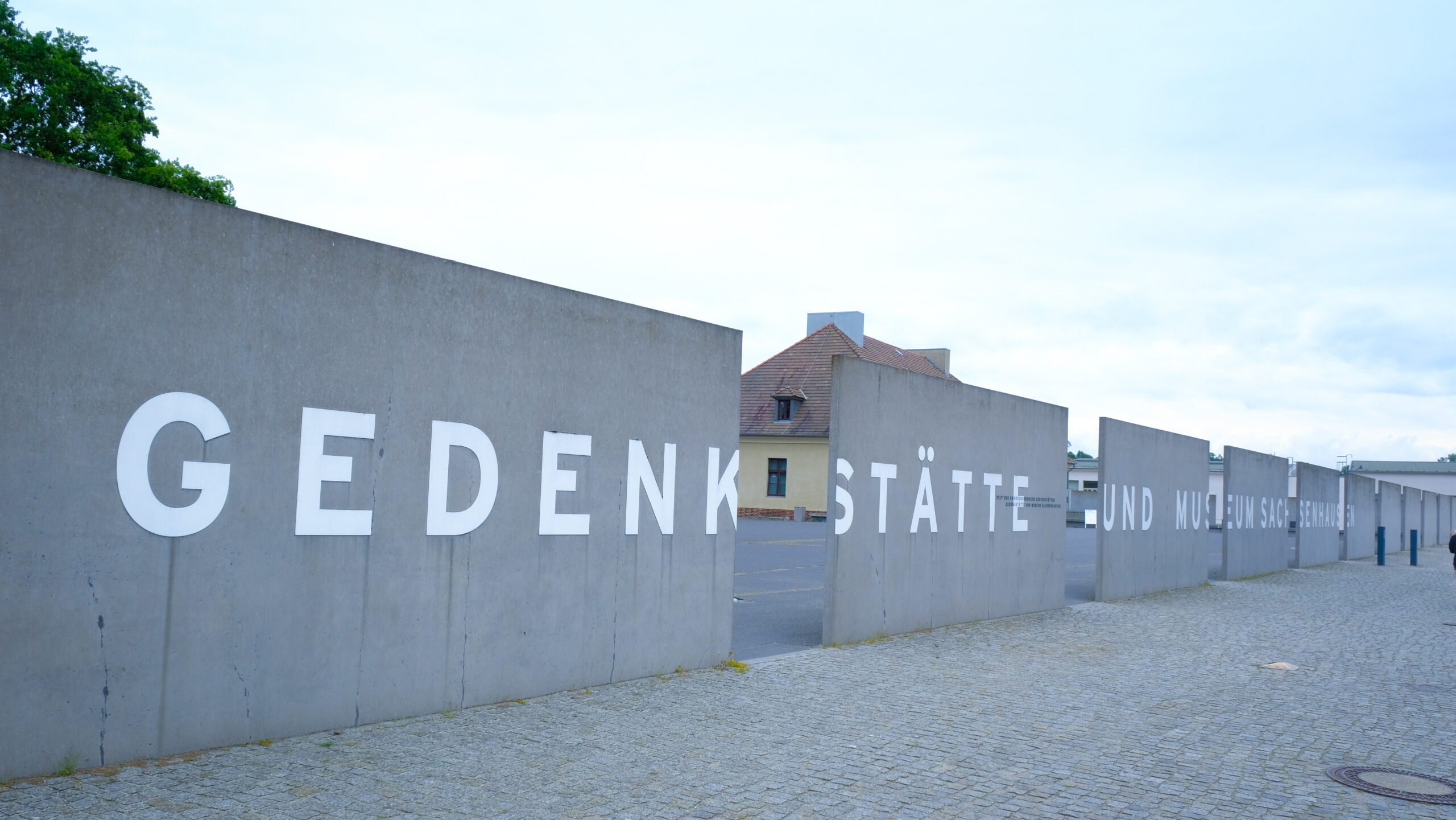
Sachsenhausen Concentration Camp, also known as Oranienburg Camp, was built by the Nazis in Germany in 1936. It was one of the first concentration camps and became a model for others. Understanding what was purpose and impact of Sachsenhausen helps us learn about one of the darkest periods in human history. This article explains the camp’s purpose, the life of prisoners, its historical impact, and why remembering it is important.
Purpose of Sachsenhausen: Why the Camp Was Built
Sachsenhausen Concentration Camp was constructed to fulfill various objectives:
- Imprisonment: Their initial main function was detention of political enemies of the nazis, such as communists, social democrats, and representatives of the trades unions. From there the camps began to take in other targeted people, such as Jehovah Witnesses, homosexuals and gypsies.
- Slave Labor: Besides imprisonment the camp served for forced labor as well. Said prisoners were put through hard labor including mining and brick making. They operated under primitive conditions, mainly resulting to chaos including diseases that affected many and caused many deaths.
- Experimentation: Sachsenhausen was used as concentration camp in which several experiments were conducted on inmates. Some of these gruesome experiments were conducted to test all sorts of medical treatments, vaccines and drugs as well as assessing the effects of infectious diseases on human subjects, and in the process, lives were lost or permanently altered.
- Death and Annihilation: Sachsenhausen, like all other concentration camps, had a gas chamber and a crematorium. These facilities were used for gassing and burning prisoners deemed undesirable. Many victims died there while the camp was in operation.
Historical Significance & Impact of Sachsenhausen
It would be impossible to overstate the importance and significance of knowledge about Sachsenhausen Concentration Camp. Here are some key points to consider:
Numbers and Scale
It is believed that during its operation from 1936 to 1945, more than 200 thousand prisoners were confined in Sachsenhausen Concentration Camp. While it was similar to the death camp of Auschwitz, Sachsenhausen was first and foremost a work camp. However, tens of thousands of prisoners died from lack of food , diseases, from killings and from ill-treatment.
Resistance and Liberation
But Sachsenhausen was not only a place to suffer, it was also a place of revolt. Nevertheless, prisoner or prisonabolish organized secret classes in politics, also published illicit newspapers and also provided sabotage when they could.
The liberation of Sachsenhausen Concentration Camp by Soviet forces on April 22, 1945 page; put an end to its terror campaign. That is why the stories of the camp’s liberation serve to keep alive the memory of the Holocaust tragdy.
Memorial and Remembrance
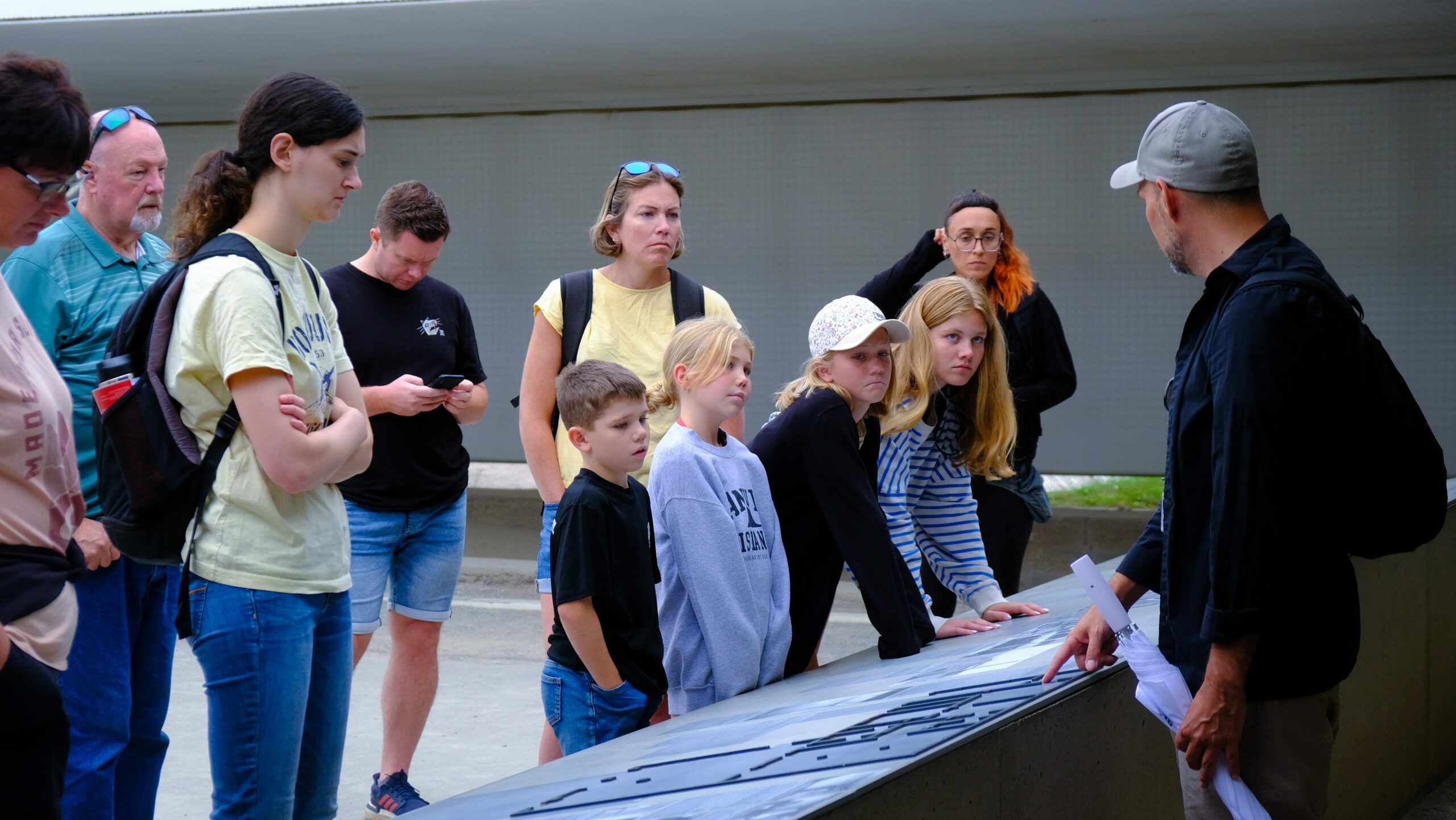
Today, Sachsenhausen is a memorial and museum that offers necessary information with the history of this camp and a lot of historical information about the victims. Tourists can therefore roam the preserved structures, see displays and go through creativity relating to the acts of terrorism witnessed during the Nazi regime.
The Importance of Remembering
When in a bid to try to understand how such a scenario took place they fail, it shows that more needs to be done when it comes to learning about venues like Sachsenhausen Concentration Camp. By visiting memorials and learning about the experiences of people in the past, individuals can gain a deeper understanding of history. This awareness allows them to actively engage in opposing discrimination, prejudice, and inhumane actions in today’s society.
Finally, Sachsenhausen Concentration Camp was one of the places where the citizens was imprisoned, forced to work, experimented and killed. For the thousands of the victims, for the spirit of the prisoners and for the memory of genocides perpetrated in the past so that they never happen again.